
Move to the coastal rhythm of Monterey. This waterfront destination rewards roadtrippers with world-class ocean encounters, dramatic coastal walks and historic adobe architecture. And the food—fresh, locally-caught—arrives on your plate still tasting of the tide. From the iconic Monterey Bay Aquarium to hidden waterfront nooks along the Coastal Recreation Trail, this compact hub delivers authentic California coastal experiences without requiring you to venture far from one central parking spot.
This is your definitive guide to Monterey attractions filled with insider timing tips, crowd-avoidance strategies and practical details that transform a good visit into an unforgettable one. Browse the sections below to discover what calls to you, go deeper to plan expanded explorations or skip ahead to learn why continuing south on Highway 1 leads to even quieter coves, easier parking and those still, sunset-streaked moments you’ve been chasing.
Monterey Bay Aquarium
Experience the Monterey Bay Aquarium as if you were one of the sea’s own creatures. Three-story kelp forests sway in living currents. A million-gallon tank captures the bay’s pulse. Here, the boundary between viewer and sealife dissolves—you’re suspended in the Pacific rather than observing it from shore. This is where the ocean comes alive.
It’s no wonder the Aquarium remains Monterey’s flagship attraction, drawing everyone from first-time coastal visitors to longtime locals.
Remember: Walk-in ticket sales aren’t available, so plan ahead. Weekday mornings and shoulder seasons deliver a noticeably calmer experience than peak summer weekends when the galleries feel packed. Timed-entry tickets manage crowds effectively—you’ll reserve a specific entry window when you book online in advance.
Must-see exhibits:
One of the top things to do in Monterey, explore the wonder of the Pacific Ocean, one vibrant Monterey Bay Aquarium exhibit at a time.
The Kelp Forest mesmerizes all ages. Thriving blades of kelp reach skyward, leopard sharks patrol the shadows and brilliant fish dart between the fronds in a dance that holds your attention for far longer than you anticipated.
The Open Sea tank showcases what feeds this incredible ecosystem: schools of silvery fish moving as one, massive tuna in constant motion, sea turtles gliding with grace. Arrive during feeding times and watch the naturalists explain what you’re seeing—it transforms the experience from simply beautiful to genuinely educational.
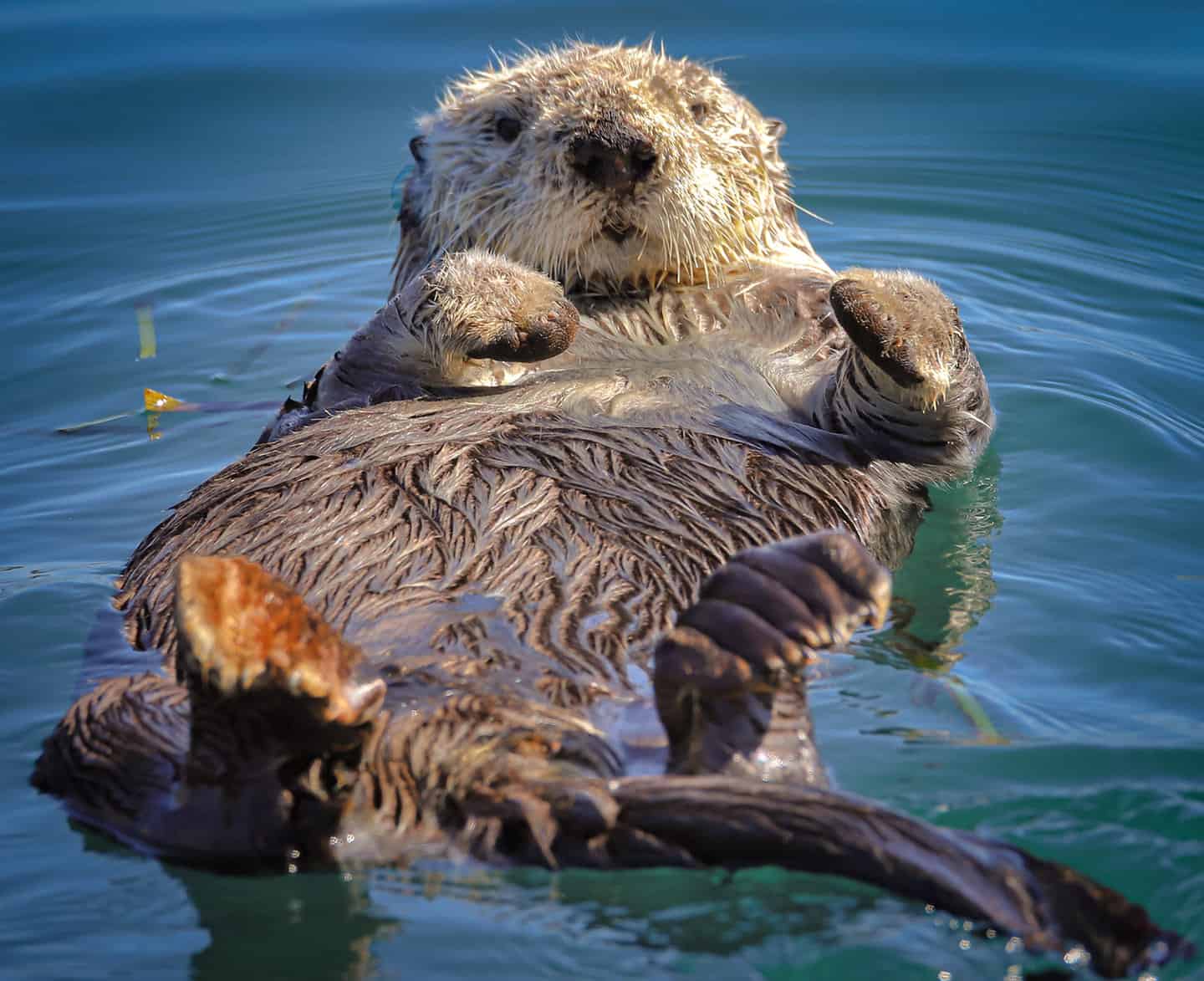
Sea otters steal the show daily. Come early before crowds gather around their habitat. You’ll catch them at rest, at play and performing that endearing grooming ritual they’re known the world over for.
Into the Deep takes roadtrippers somewhere unexpected—the ocean’s dark zones where creatures pulse and glow. It’s a reminder that the Pacific extends far beyond what we see from shore.
Nearby restaurants within walking distance:
Wave Street Café opens early for coffee and breakfast near the trail—perfect for fueling up before your visit. Schooners Monterey overlooks the water and serves solid lunch fare with views. Meanwhile, the Whaling Station offers dinner with harbor vistas great for all appetites. For sustainable seafood, Passionfish is the spot. Looking for something casual and affordable? Head to Sea Harvest, a local favorite.
A word to the wise: Planning a meal nearby means you avoid the mid-day parking scramble. Grab lunch after your Aquarium visit and remain in the waterfront district rather than hunting for a new spot.
Pair with a shoreline stroll:
After the Aquarium, allow the Coastal Recreation Trail to guide you through Cannery Row’s galleries and shops. Continue on to Old Fisherman’s Wharf for late-day food and lapping ocean views. Time the experience right and you’ll catch the sunset reflected across this iconic shoreline.
Pro Tips
- Reserve Monterey Bay Aquarium tickets early for weekends and holidays—they sell out
- Budget 2–3 hours inside
- Arrive before 10 am for the calmest experience or consider visiting on a weekday when crowds thin considerably.
- The Aquarium typically stays open 9:30 am to 6 pm, though hours shift seasonally.
Cannery Row
Step into Cannery Row and literally stroll through California history. Converted sardine factories—once the industrial heart of the coast—now showcase local art, wine tastings and fresh seafood paired with superb ocean views. The bones of the old canneries remain: weathered wood structures, industrial pilings reaching into the water and fishing boats still coming and going.
Explore on foot to discover what most tourists miss. Down the side streets you’ll find street art documenting the canning era, intimate waterfront alcoves perfect for selfies and quiet benches where you can spy harbor seals hunting below. The main drag is usually quite crowded, but venture toward the water on these quieter cross-streets and the energy relaxes to a local’s pace.
Remember: Cannery Row shines when you treat it as part of your larger waterfront loop. Park once at the Cannery Row garage or at San Carlos Beach, then walk via the Coastal Recreation Trail—it connects you to the Monterey Bay Aquarium, Old Fisherman’s Wharf and Pacific Grove without the need to move your car. You’re never far from this flat paved path here—this shoreline ribbon is the secret to experiencing Monterey attractions on foot. Simply claim your parking spot and enjoy the whole waterfront.
Pro Tips
- Park once at Cannery Row garage or San Carlos Beach ($2.00/hour, $14 daily max)
- Use the ParkMobile app for digital payment at city lots
- Visit early morning or late afternoon to avoid tour groups
- Walk the trail to connect car-free to the Aquarium and Wharf
Old Fisherman’s Wharf
The Wharf is where Monterey’s working waterfront still pulses with life and tradition. Fishing boats dock, whale-watching vessels depart and the smell of fresh catch mixes with hot sourdough and sea spray. Pull up a bench seat, order a bowl of chowder and watch the harbor do what it’s done for over a century.
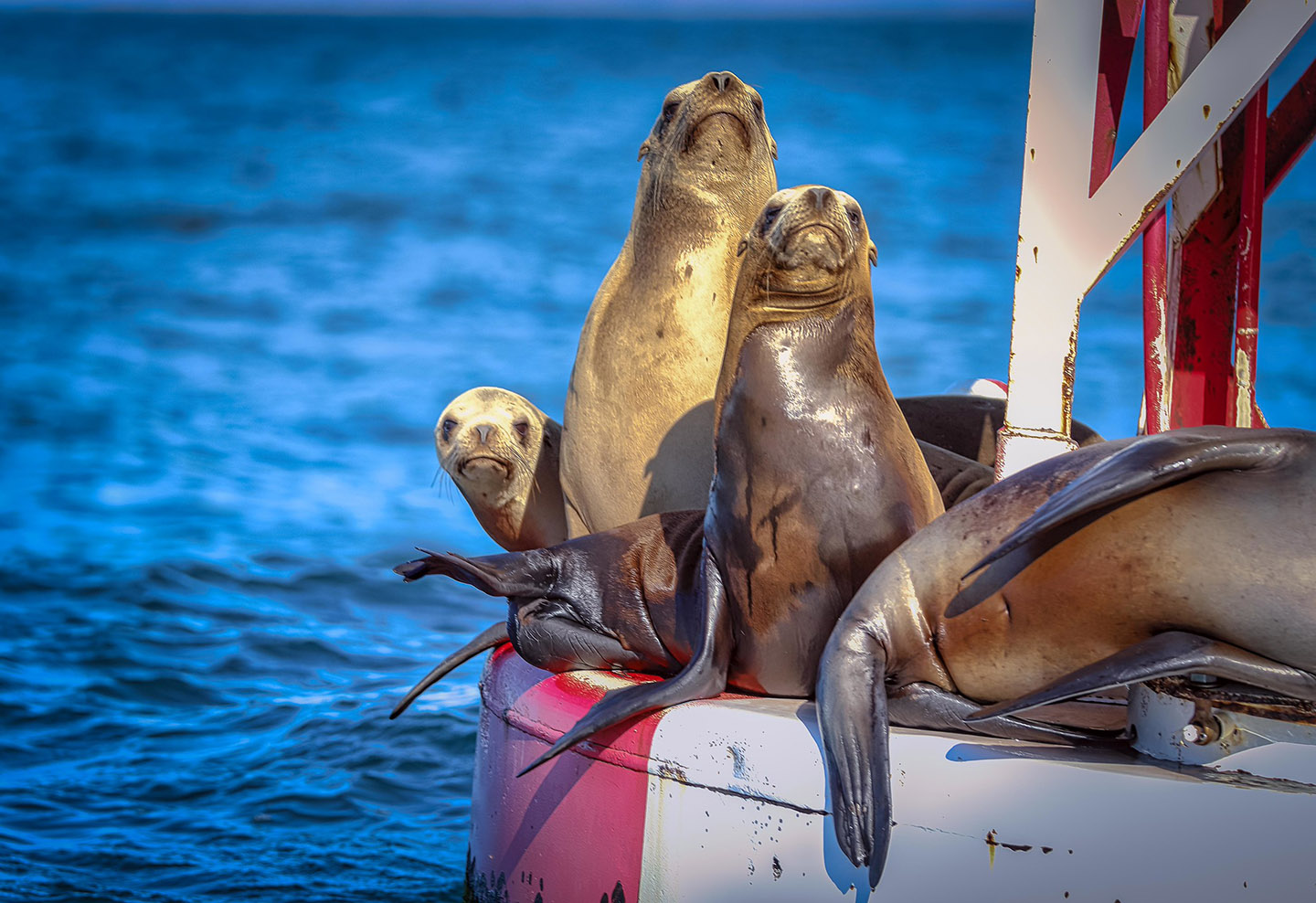
Timing matters here: The mid-morning rush brings tour groups in waves, so arrive early for breakfast or wait for the late lunch window when things calm down. This is when you can easily snag a table with a view and watch the action unfold. Scan the water from the pier’s edge—sea lions lounge on the rocks below, and if you’re lucky, you’ll spot an otter paddling through the kelp.
If you’re planning on booking a whale-watching tour or harbor cruise, it’s a good idea to arrive early and stay late. Check-in, the tour itself,and post-tour wandering typically stretch to 2+ hours beyond your scheduled departure time. Many tours book solid during peak season, so be sure to reserve ahead.
And you don’t need a sit-down meal to enjoy the wonder of the wharf. Grab fish tacos to go and keep moving along the trail. A collection of casual spots serves travelers well—no reservations needed, no parking hassle after you’ve already found a spot. From the Wharf, the Coastal Recreation Trail guides you back toward Cannery Row and the Aquarium, keeping your car where you left it.
Pro Tips
- Arrive early (breakfast) or late (lunch) to avoid potential crowds
- Bring a camera—sea lions and otters appear regularly
- If whale-watching, budget 2+ hours beyond tour time
- Stay casual with food; grab and go keeps the day’s momentum moving
Pacific Grove & Coastal Recreation Trail
Pacific Grove reveals Monterey’s quieter side. Victorian homes salute the bay and the energy slows to a contemplative stroll. This is where locals come to jog, bike and watch the water without battling the crowds that pack Cannery Row and the Wharf during peak hours.
The Coastal Recreation Trail stitches it all together in one flat, paved path that hugs the shoreline for miles. Park once and let the trail do its work, stopping for photos at scenic pullouts, coffee at bayside cafés or impromptu picnics on the rocks.
Yes, this single trail connects you to Cannery Row, the Monterey Bay Aquarium, Old Fisherman’s Wharf and Pacific Grove—making it one of the best things to do in Monterey for experiencing multiple Monterey attractions without re-parking.
Ready for a reset? Benches appear every few hundred yards, positioned for maximum viewing potential. Settle in at Lovers Point Park where grassy lawns slope to protected coves and you can watch the water for hours. Or pull over along Ocean View Boulevard’s multiple turnouts to snap photos while seabirds wheel overhead.
Golden hour transforms this stretch into photographer’s paradise—morning light hits the rocky shoreline from the east, while late afternoon bathes the coast in warm amber tones. Fog softens the coastline into moody layers of gray and silver.
The trail’s flat, paved surface makes it ideal for families with strollers, casual cyclists and anyone who craves coastal beauty without steep climbs. Rent bikes near Cannery Row if you want to cover more ground, or simply stroll at whatever pace feels right.
Pro Tips
- Park once and use the Pacific Grove & Coastal Recreation Trail to connect car-free
- Visit the trail at sunrise or sunset for the softest light
- Bring a picnic to enjoy on a picnic bench or grab coffee along the way
Point Lobos State Natural Reserve
Windswept cypress trees frame jade coves and harbor seals bob in the kelp beds just yards from your feet—welcome to Point Lobos, one of California’s most spectacular coastal preserves.
Follow the Cypress Grove Trail for ancient cypress branches silhouetted against turquoise water. Wind along Sea Lion Point Trail to rocky outcrops where barking sea lions haul out year-round. Climb Bird Island Trail to elevated viewpoints across Whaler’s Cove. Each loop covers 0.5 to 1 mile and you can link two or three in a comfortable visit.
Sunrise and late afternoon deliver the best light for most photos, while morning fog wraps around branches, creating an ethereal mood many photographers covet.
Here, timing matters—arriving early gives you the full window to explore without feeling rushed as closing time approaches. Limited parking (roughly 150 vehicles) demands advanced planning if you want to avoid circling a full lot or turning back at the gates. The preserve caps vehicle numbers to protect fragile habitat, so when capacity hits you’ll either wait in the queue or return later.
Pro Tips
- Budget 2–3 hours; stick to signed trails
- Arrive before 9:30 am or after 3 pm for easier parking
- Entrance $10 per vehicle; gates 8:00 am–5:00 pm (last entry 4:30 pm)
- stick to signed trails to protect sensitive habitat.
- Softest light at sunrise and late afternoon
17-Mile Drive
Cruise the famous scenic loop through Pebble Beach where breathtaking ocean overlooks alternate with manicured golf courses. Along 17-Mile Drive, Monterey cypress bend toward ocean views that have defined California’s coastal mystique for centuries.
Top pullouts include the Lone Cypress, perhaps the most photographed tree in North America, clinging to a rocky outcrop with the glittering Pacific stretching behind it. Bird Rock draws crowds for its sea lion colonies and seabird activity. Spanish Bay offers a windswept beach where you can walk if you desire time away from the overlooks.
Morning light hits the coastal side beautifully, while late afternoon creates a warm glow that flatters golf-course greens. Fog turns dramatic views silvery and mysterious.
Expect crowds at signature stops and practice turnout courtesy—pull all the way in, leave space for others and keep stops brief. Traffic moves slowly through residential sections, so don’t plan to visit when you’re in a hurry. This is one Monterey sight too good to rush.
Pro Tips
- Gate fee $12.25 per vehicle; some restaurants reimburse with purchase; motorcyclists not permitted
- Morning light best for coastal side; late afternoon best for golf greens
- Arrive early to avoid peak crowds
Beaches & Kayaking
Hit the bay. Monterey’s protected coves and sandy stretches provide a tranquil break from crowds and structured attractions. The bay’s shelter keeps the water calmer than open-ocean beaches farther south, making this one of the more approachable spots along Highway 1 for first-time kayakers or families with young kids testing the Pacific.
Launch from San Carlos Beach right on the trail near the Aquarium, where soft sand and gentle surf create easy entry points for kayakers. Spread your blanket at Del Monte Beach where longer, wider stretches give you room to spread out without bumper-to-bumper beach towels.
Both beaches stay relatively calm compared to exposed coastline elsewhere, though wind and swell conditions shift throughout the day—mornings typically bring the smoothest water before afternoon breezes pick up.
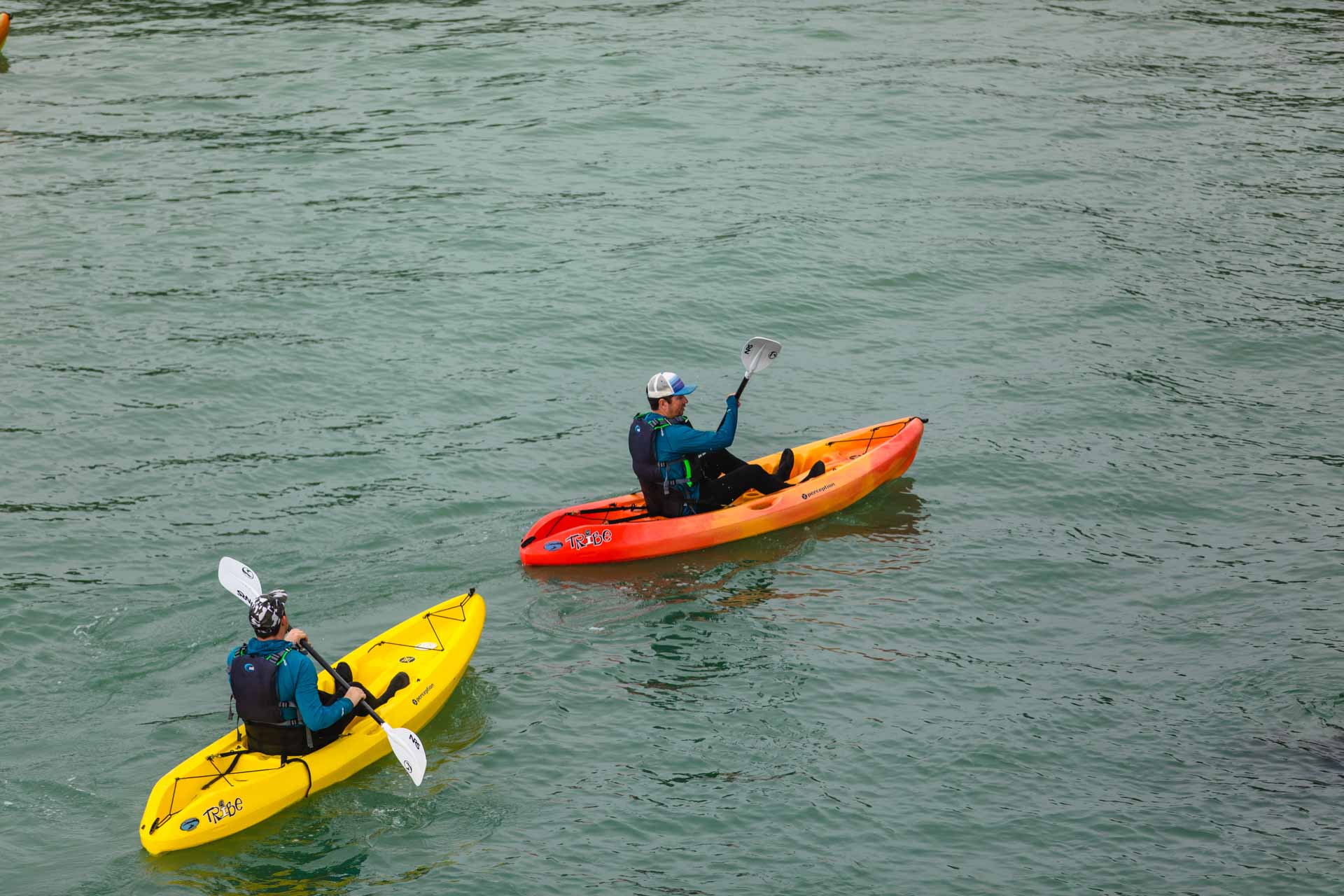
Several outfitters operate near the harbor, offering kayak rentals by the hour or half-day with basic instruction for beginners. Monterey Bay Kayaks and Pacific Grove Adventures both rent sit-on-top kayaks for up to 4 hours (prices vary seasonally).
Morning water stays clear and glassy, giving you the best conditions for easy paddling and wildlife spotting before the wind kicks in. Walk-ins are generally welcome, but arriving early means calmer conditions and better availability. Launch from protected sections where kelp forests buffer the swell, then paddle along the shoreline watching for sea otters, harbor seals and the occasional sea lion investigating your vessel.
Remember: Safety matters more than you might think—wear proper flotation even if you’re a strong swimmer, and respect the wildlife exclusion zones marked by buoys and signage. These boundaries protect hauled-out seals and nesting seabirds from disturbance, and rangers enforce them within the Monterey Bay National Marine Sanctuary.
Check wind forecasts before you commit to a paddle—when gusts arrive, the bay turns too intense for beginners trying to make headway against the chop.
Pro Tips
- Morning water is often calmer for paddling
- Wear proper flotation and respect wildlife boundaries
- Kayak rentals for up to 4 hours; arrive early for best conditions
Whale Watching
Board a whale-watching vessel from Old Fisherman’s Wharf and prepare for one of those wild moments you’ll replay in your memory for years to come. Deep submarine canyons funnel nutrients close to shore, creating active feeding grounds for gray whales, humpbacks, blues and dolphins. Monterey Bay isn’t just a nice place to whale watch, it’s one of California’s most reliable places to actually see these creatures in action.
Budget 3–4 hours from dock departure to return, giving your boat time to reach feeding grounds and search for marine life without rushing back.
What you’ll see by season
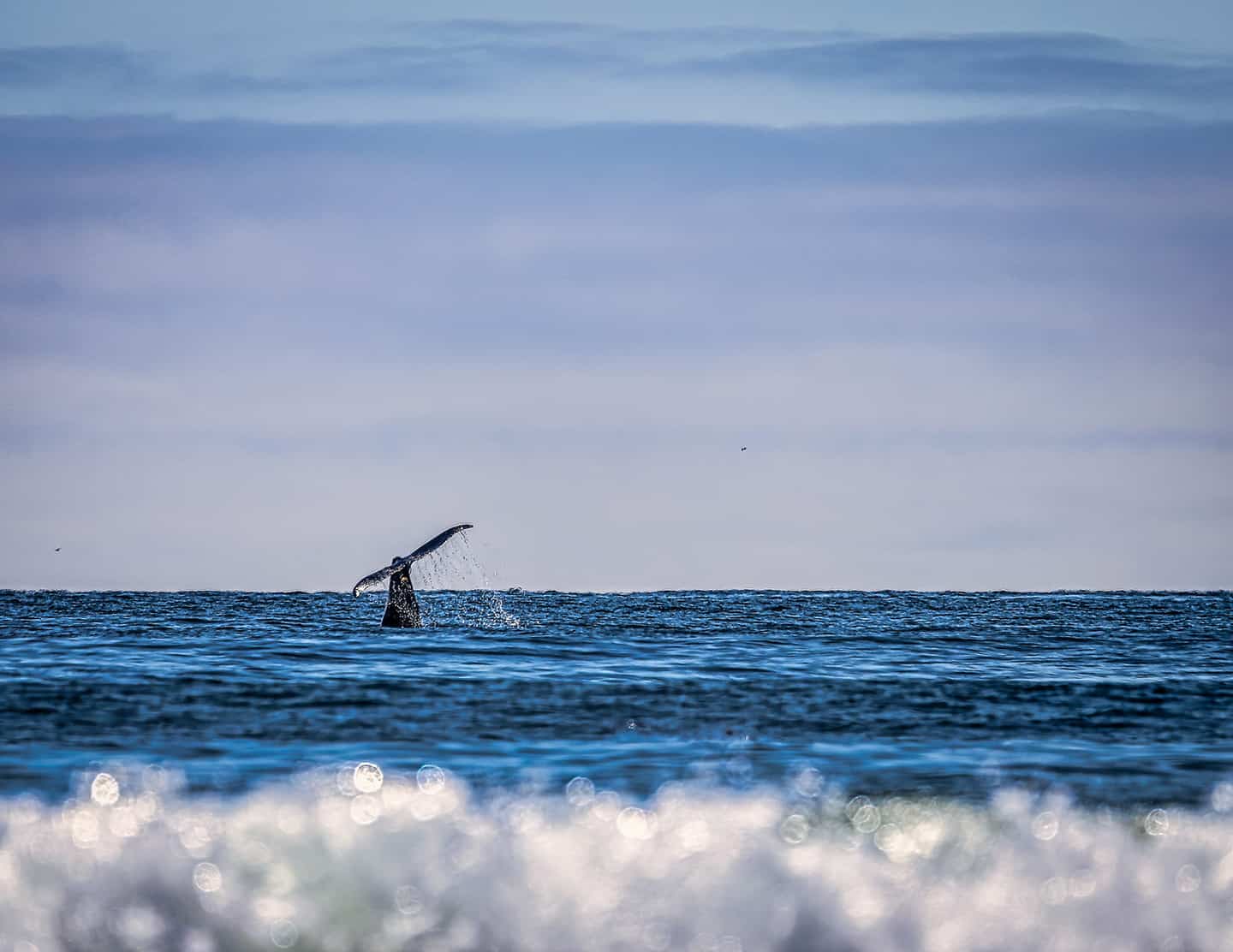
Gray whales migrate through Monterey Bay during winter and spring, often seen breaching from shore as they hug the coastline on their journey between Alaska and Baja. Spring through fall brings humpback whales and, in productive years, blue whales feeding on krill blooms that turn the water dense with life. Dolphins and orcas appear less predictably, but show up often enough that guides keep scanning the horizon for their telltale fins.
Choosing your operator
Choose operators that follow NOAA guidelines for responsible viewing—this means maintaining proper distances, limiting engine noise near animals and respecting behaviors that indicate stress or disturbance. Ask about viewing practices when you book and favor companies that prioritize conservation alongside the experience.
Popular operators include Monterey Bay Whale Watch and Sanctuary Cruises, with tours running about 3–4 hours. Specialty trips (like 8-hour expeditions) run higher, so ask about pricing when you call. Many operators offer premium “upper deck” options at additional cost.
Staying comfortable on the water
Layer up with windproof outerwear—even summer mornings turn chilly once you’re on the water with wind cutting across the bow and spray misting your face. Bring a warm hat, gloves if you run cold and extra layers you can shed if the sun breaks through. Book morning departures for calmer seas and better visibility before afternoon winds pick up.
If seasickness is a concern
Take preventative medication 30–60 minutes before departure and position yourself on the lower deck near the boat’s center where motion feels less pronounced. Keep your eyes on the horizon—this helps your brain sync with the boat’s movement. Pack light snacks like crackers or ginger candies and stay hydrated. Do yourself a favor and skip the heavy breakfast. Best to save your appetite for lunch back at Old Fisherman’s Wharf once you’re back on solid ground.
Pro Tips
- Gray whales most visible in winter and spring; humpbacks and blues in warmer months
- Budget 3–4 hours total on the water
- Book tours in advance during peak season
- Dress in layers including windproof outerwear
- Book morning departures for calmer seas
Monterey History & Adobes
Explore California’s early capital era when you encounter adobe buildings scattered throughout downtown Monterey. Monterey State Historic Park connects multiple adobes around Custom House Plaza, revealing the political and commercial heart of Mexican California before statehood changed everything.
Start at the Custom House near Fisherman’s Wharf, where cargo from around the Pacific was once inspected and taxed. This 1827 building marks where Commodore Sloat raised the American flag in 1846, claiming California for the United States. The thick adobe walls and simple furnishings transport you to a fascinating time when Monterey held more power than San Francisco.
Pacific House sits nearby, a two-story adobe that served as a hotel, saloon, courthouse and newspaper office. Today it houses exhibits on Indigenous Ohlone culture, the Mexican period and California’s transition to statehood.
Walk to Colton Hall where California’s first constitution was drafted in 1849—the neoclassical facade contrasts with the earthier adobes nearby, reflecting the architectural shift that came with American control.
Guided walking tours run daily at 10:30 am, 12:30 pm and 2:00 pm (times may vary by season). General admission is $5 for adults, with children 12 and under free. Private group tours of individual adobe houses cost $75 per house (up to 12 guests).
The “Path of History” self-guided route connects the adobes via sidewalk tiles marked with bronze plaques, creating a free walking option if you prefer exploring at your own pace. Pick up a map at the Custom House or Pacific House, then follow the tiles through downtown, pausing at cafés or shops between stops.
Work up an appetite? Pair your adobe tour with lunch or coffee in downtown Monterey where modern restaurants occupy historic buildings and the past blends seamlessly with present-day seaside life.
Pro Tips
- Guided walks: $5 adults, children 12 and under free; tours at 10:30 am, 12:30 pm, 2:00 pm
- Private house tours available (up to 12 guests)
- “Path of History” self-guided route is free and marked by bronze tiles
- Check the official historic park site for current schedule before you visit
Free & Cheap in Monterey
Stretch your budget without missing coastal highlights—Monterey is rich with spectacular experiences that don’t require opening your wallet beyond parking fees and maybe a meal. The key is knowing where to look and being willing to walk.
The Coastal Recreation Trail
The Coastal Recreation Trail offers miles of flat, paved, free shoreline walking with ocean views, wildlife spotting and people-watching that rivals anything you’d pay for. Start anywhere along the route—Old Fisherman’s Wharf, Cannery Row, San Carlos Beach, Pacific Grove—and let the trail guide you past benches positioned for maximum view potential, overlooks where harbor seals hunt in kelp beds below and beaches where you can kick off your shoes and sink your toes into sand without paying a cent.
Watch for wildlife
Watch for marine life from the piers where sea lions haul out on pilings and otters float on their backs cracking open shells. These natural encounters cost nothing, unfold frequently and deliver the same thrill whether you paid for a tour or simply showed up at the right moment with a little patience.
Path of History
The self-guided “Path of History” marked by bronze sidewalk tiles connects Monterey’s historic adobes in a free walking tour through downtown. You won’t access building interiors without paying, but the exteriors tell plenty of story and the route itself reveals layers of history embedded in the urban fabric.
Window-shopping welcome
Window-shop Cannery Row and downtown’s boutiques, galleries and wine-tasting rooms with no need to purchase—the browsing itself entertains and gives you a sense of local character and creativity. Many galleries welcome lookers, understanding that today’s browser might become tomorrow’s buyer.
Sunset viewing
Catch sunset along the Pacific Grove waterfront where the light transforms rocky shoreline into a golden masterpiece. Settle onto a bench or spread a blanket on the grass, watch the sun sink toward the horizon and soak in that California coastal magic that happens every evening for free.
Pack a picnic
Pack a picnic and claim a table at one of the many waterfront parks and beaches—Del Monte Beach, Lovers Point, San Carlos Beach—where you can savor ocean views, watch for marine life and spend an afternoon without spending money on restaurant meals. Local markets and delis near Cannery Row make it easy to assemble lunch or snacks to go.
Monterey Museum of Art
The Monterey Museum of Art offers free admission during Family Fun Days (held roughly monthly), featuring open galleries and art-making activities. Check the official site for current dates—Thursday through Sunday, 11:00 am–5:00 pm are standard museum hours.
Free doesn’t mean forgettable in Monterey—some of the region’s most iconic moments cost nothing at all. The challenge is resisting the temptation to fill every hour with paid attractions when the bay, the trail and the wildlife deliver experiences that money simply cannot improve.
Pro Tips
- Walk the trail for miles of free coastal views
- Watch marine life from the piers and railings
- Catch sunset along Pacific Grove waterfront
- Pack a picnic at waterfront parks
- Monterey Museum of Art: free admission on Family Fun Days (monthly)
Rainy-Day Monterey
When the marine layer rolls in thick and the coast disappears behind gray skies, don’t pack it in. Monterey’s indoor treasures transform rainy days into unexpected detours that reveal a cozier side of the coast.
The Aquarium in wet weather
The Monterey Bay Aquarium becomes even more magical when the weather turns wet. Yes, you were heading there anyway, but now there’s no guilt about lingering for hours while rain streaks the windows and fog wraps around the building outside. The kelp forests seem to sway with more energy, the sea otters feel closer and the entire experience deepens when you’re cocooned in warmth watching the storm pass over the Pacific.
Historic adobes and cafés
Monterey State Historic Park’s adobes invite slow exploration when the weather won’t cooperate with your outdoor plans. Join a guided walk through downtown’s historic buildings, listening to stories of Mexican California and early statehood while thick adobe walls shelter you from the rain. The Custom House, Pacific House and nearby adobes cluster close together—you’re never exposed for long, just moving from one sheltered moment to the next.
Cozy cafés scattered through Cannery Row and downtown become your refuge. Settle in with a book, order something warm and watch the world pass by. This slower, quieter feel suits Monterey better than rushing between outdoor stops anyway. Some visitors prefer rainy Monterey to the crowded summer version.
Museums and galleries
The Pacific Grove Museum of Natural History offers intimate exhibits on local ecosystems and Indigenous culture—perfect for a couple of hours while you wait for the sky to clear. It’s small enough to explore at a comfortable pace, then slip back outside when the sun breaks through. Point Lobos in moody light
Point Lobos during showers
When showers clear even briefly, Point Lobos transforms into something extraordinary. Fog wraps around cypress trees, wet rocks gleam and the light turns moody and dramatic. If you’re willing to brave intermittent rain, you’ll capture images that eclipse anything shot in perfect sunshine. Pack waterproof layers, protect your camera and watch your footing on slick trails.
Pro Tips
- Prioritize the Aquarium, adobes and small museums
- Cozy cafés become ideal spots to wait out weather
- Point Lobos offers moody photography when showers clear
Accessible & Family-Friendly Monterey
Monterey opens itself generously to families with strollers, roadtrippers cruising in wheelchairs and anyone who prefers a slower pace without sacrificing experience. The compact waterfront geography and flat trail system make this one of California’s most welcoming coastal destinations.
The Coastal Recreation Trail is a revelation—flat, paved, mostly level, with ocean views the entire way. Families push strollers easily, wheelchair users navigate independently and benches appear every few hundred yards when legs need rest or spirits need a moment with the view. Better yet, this single trail links the Wharf, Cannery Row, the Aquarium and Pacific Grove. Park once and access it all without moving your car.
In fact, the Monterey Bay Aquarium welcomes you with free manual wheelchair loans, accessible routes through every exhibit and viewing windows positioned so everyone enjoys the magic. Kids gravitate toward the interactive touch pools and furry sea otters—the Aquarium holds their attention naturally, allowing families to linger without feeling rushed.
Lovers Point Park and San Carlos Beach offer green space where kids can run, play and eat lunch while parents enjoy the views. These moments of unstructured freedom matter as much as the curated attractions. Point Lobos requires more mobility, but the main viewpoint near the entrance offers paved paths to signature overlooks. Families can visit for a shorter loop, then retreat without missing out.
Be sure to pack snacks and water—the trail’s benches provide perfect spots to pause and regroup. Restrooms cluster near major attractions, so plan accordingly. Monterey’s manageable scale means you’re never far from what you need when you need it.
Pro Tips
- Trail is flat, paved and connects everything
- Aquarium offers free wheelchair loans and accessible routes
- Pack snacks and use the trail’s benches for breaks
- Check restroom locations before you start
Where to Eat & Drink
The best meals in Monterey happen when you slow down, claim a table with a view and allow the afternoon to unfold. Monterey’s waterfront restaurants cluster within walking distance of major attractions—no need to hunt for parking between stops, no need to eat in a hurry.
Wave Street Café opens early for coffee and breakfast near the trail, the kind of spot where locals run elbows with roadtrippers and conversation hums. Schooners Monterey overlooks the water and serves lunch that tastes better with an ocean backdrop. Meanwhile, the Whaling Station perches above Cannery Row, the kind of dinner destination where you linger longer than you planned.
Passionfish in Pacific Grove celebrates sustainable seafood with preparations that honor both the ingredient and the fishermen who caught it. Looking for something more casual? Sea Harvest keeps relaxed—great fish, no pretense.
Remember: Timing changes everything. Arrive at 5 pm instead of 7 pm and you’ll find a table without the wait, plus sunset views, depending on the season. Skip the noon rush and eat at 2 or 3 pm when restaurants relax.
Welcoming coffee and bakery spots dot the trail and downtown—perfect for morning fuel or afternoon breaks when you want something sweet without committing to a full meal.
Pro Tips
- Book ahead on weekends and holidays, especially for waterfront tables
- Weekdays feel more forgiving, though summer can surprise you with crowds even mid-week.
- Eat at 5 pm or 2–3 pm to avoid peak rush
- Stay walkable around Cannery Row, the Wharf and Pacific Grove

Extend Your Trip South on Highway 1
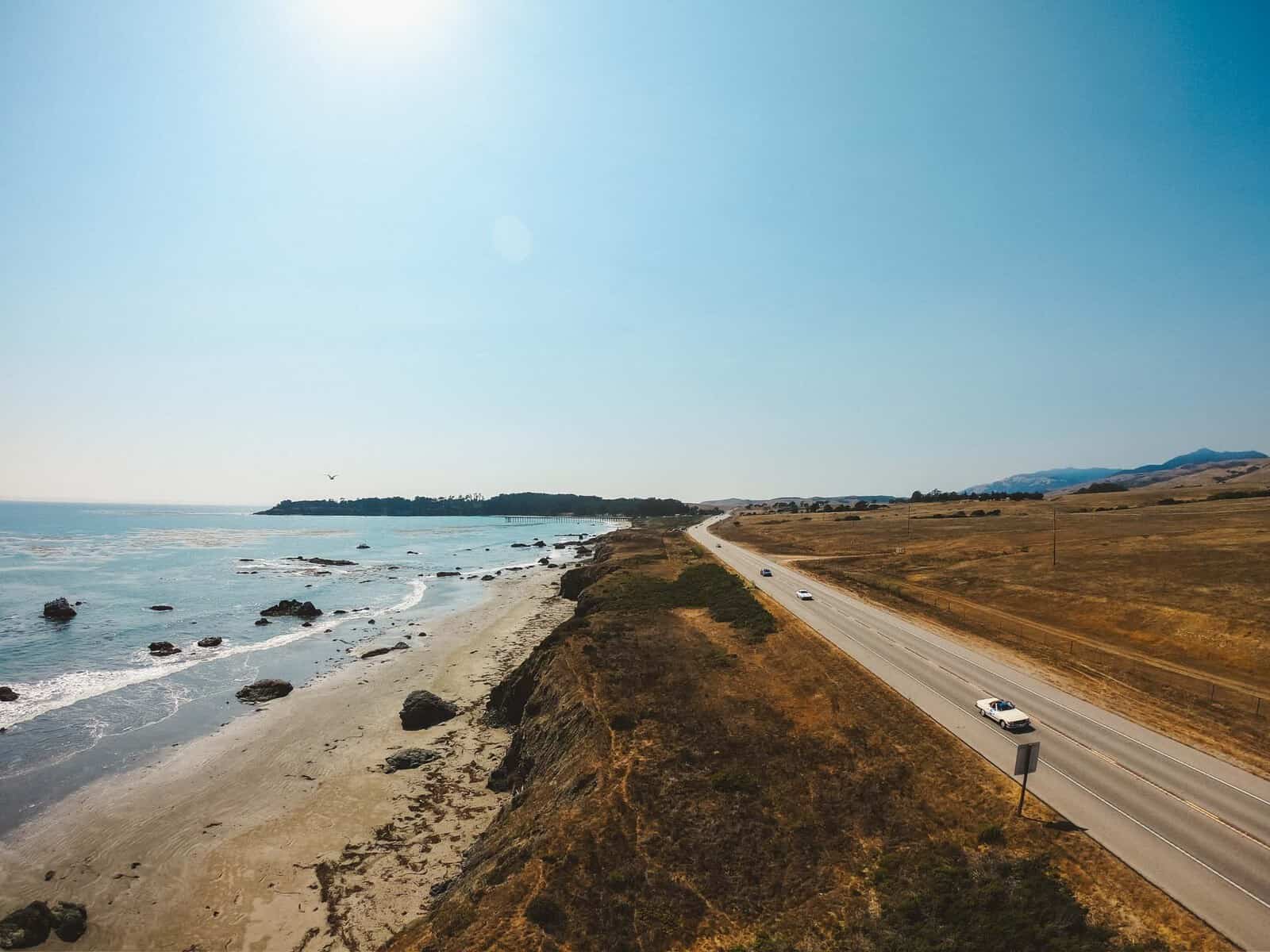
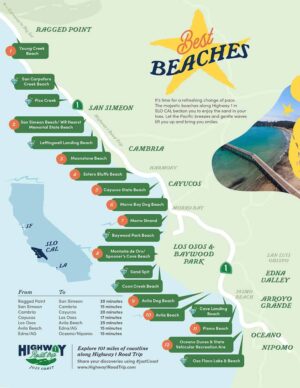
Monterey is famous for its iconic aquarium and ocean encounters, but the coast’s full potential opens up just beyond Big Sur. Cruise Highway 1 south to experience that slower rhythm for yourself—here, crowds melt away, parking improves and that breezy Highway 1 energy kicks in.
Gateway moments: Ragged Point
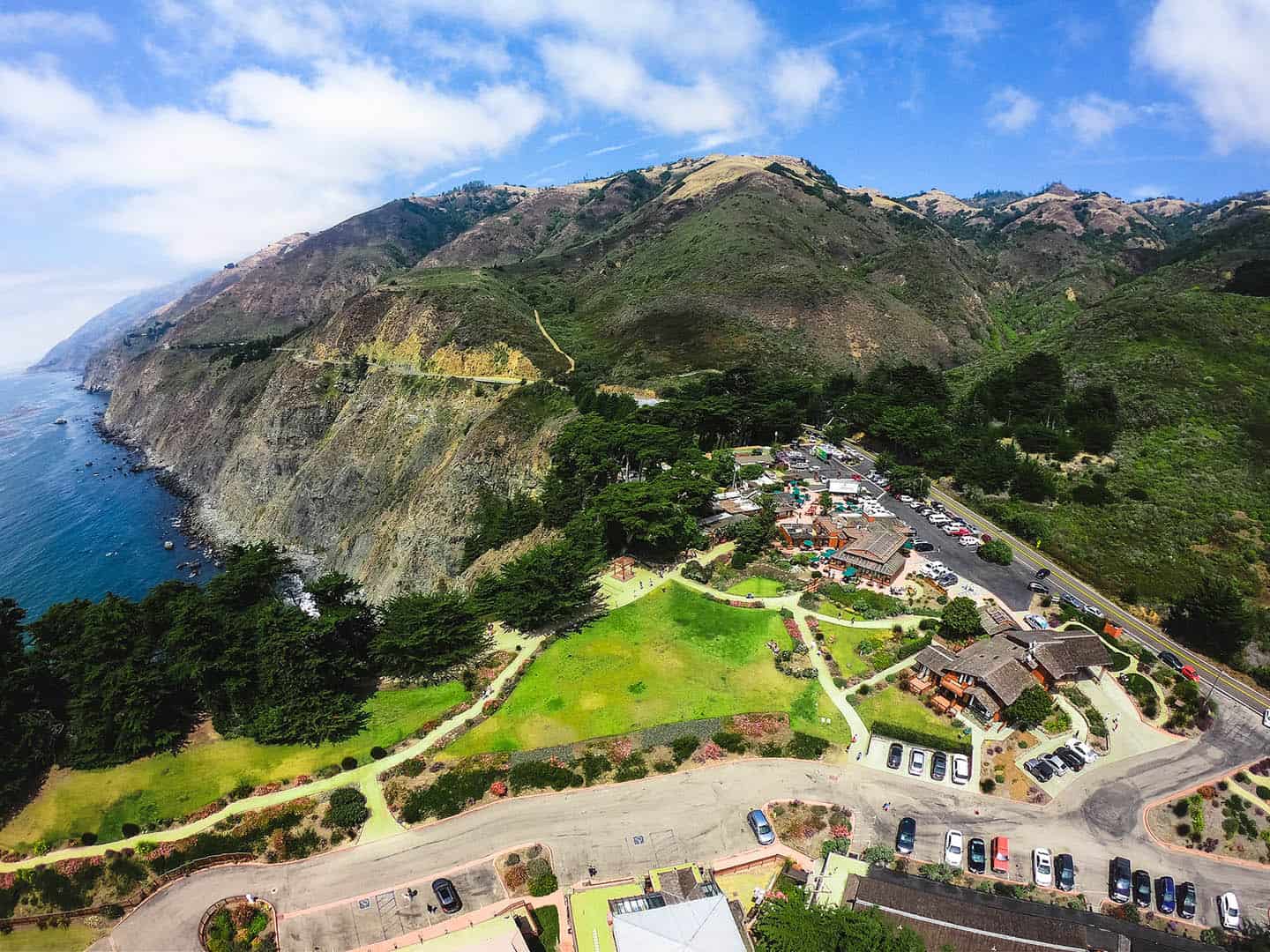
Ragged Point emerges as your first jaw-dropping sight—a clifftop perch hovering hundreds of feet above a black sand beach where a seasonal waterfall crashes directly into the surf. This is where the coastline shifts from developed waterfront to wild coastal drama, signaling that you’ve crossed into another world entirely.
San Simeon: Unmissable experiences
San Simeon clusters several unmissable experiences within easy reach. Walk the boardwalks at the Elephant Seal Rookery and watch hundreds of massive Northern Elephant Seals sprawl across the sand, barking and battling for dominance depending on season. Hearst Castle crowns a hilltop with Mediterranean gardens that overlook endless Pacific views.
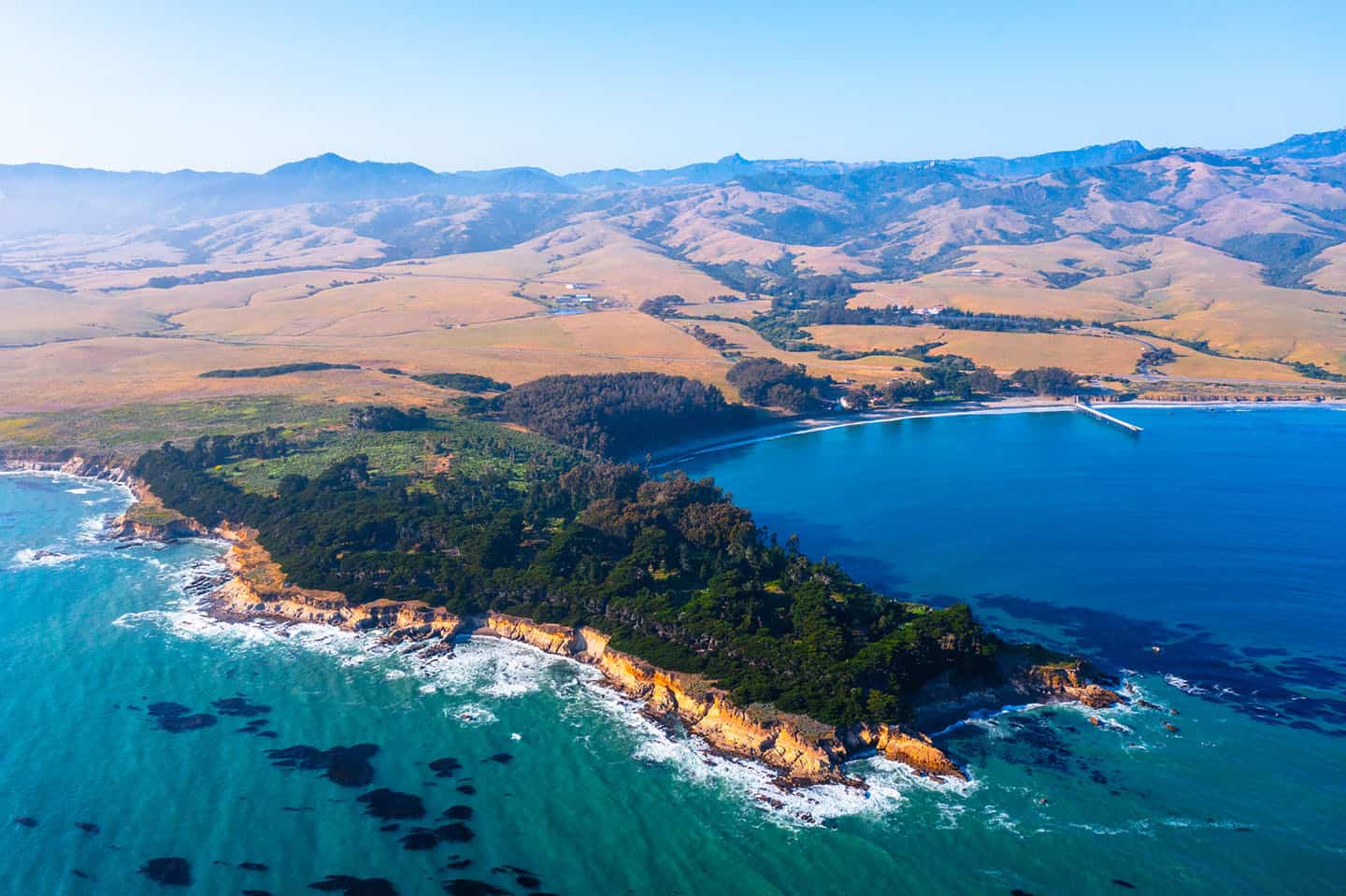
Piedras Blancas Light Station offers guided tours where you hear stories of rugged lighthouse keepers tending their beacon through decades of storms. San Simeon Cove wraps everything in a protected bay perfect for breaks, whale watching or just breathing in salt-tinged air before continuing south.
Cambria and Cayucos: The mellow vibe
Cambria and Cayucos deliver the authentic Highway 1 vibe you’ve been craving—less rushing, more relaxing. Moonstone Beach Boardwalk winds along bluffs where moonstones glow like treasure across the sand. Downtown villages showcase local artists, antique hunters’ paradise shops and wine-tasting rooms that feel unpretentious and welcoming.
Meanwhile, Cayucos keeps your journey delightfully simple with a historic pier stretching into the bay, a sandy beach that stays relaxed even on summer weekends and a main street lined with casual spots serving real food to real people.

Los Osos and Baywood: A gentler pace
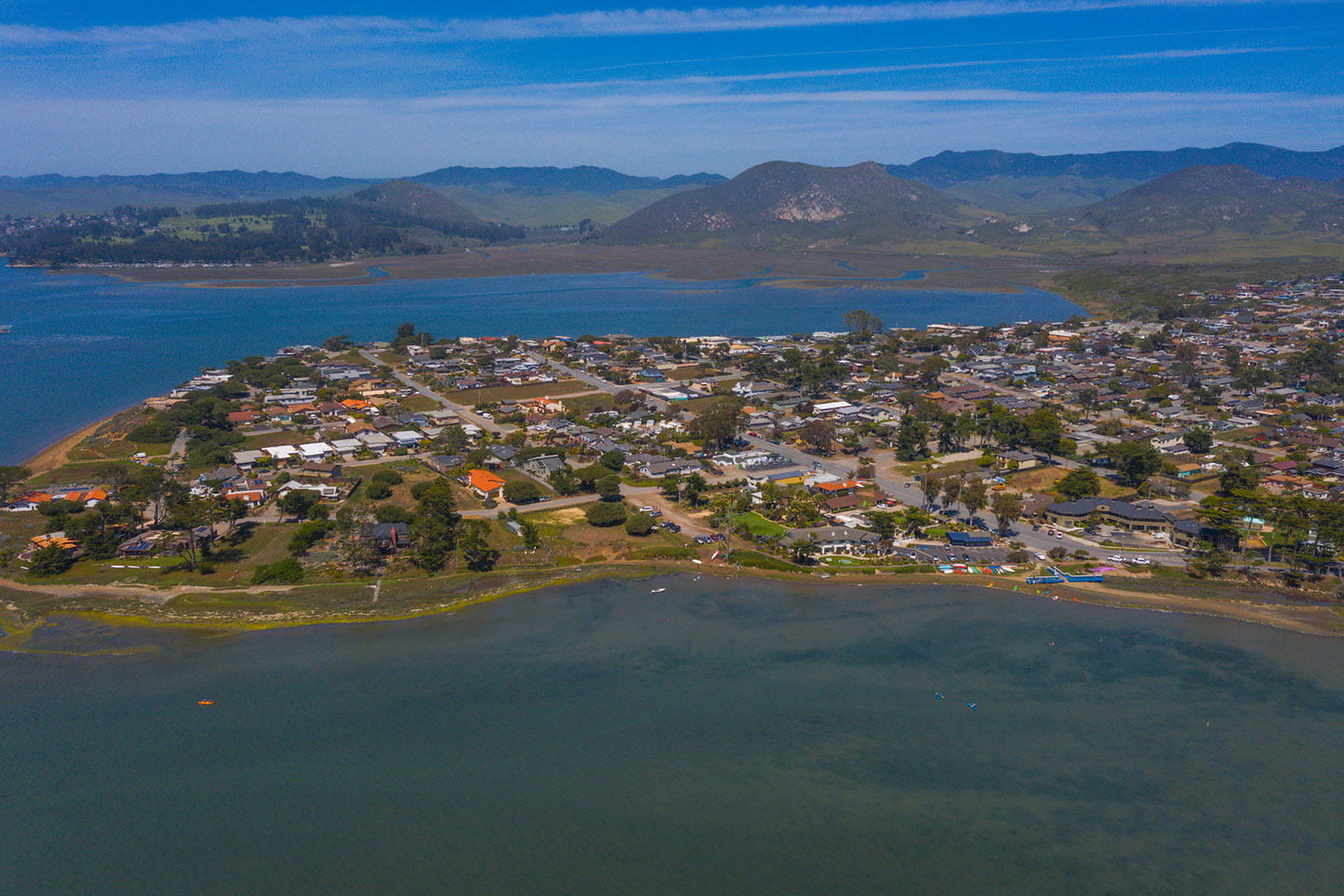
Los Osos and Baywood Park slip slightly inland where Morro Bay’s protected estuary boasts calm waters for kayaking, birdwatching and that gentler coastal feeling that contrasts beautifully with Big Sur’s dramatic cliffs.
Why the south coast matters
The calmer south coast delivers everything Monterey promises—stunning scenery, abundant wildlife, incredible food—but without the parking stress, dense crowds and constant buzz of activity. You’ll spend less time hunting for parking spots and more time actually living the coast, which is exactly why so many return to this slice of scenic Highway 1 again and again.
Is Highway 1 Open Between Big Sur and Ragged Point
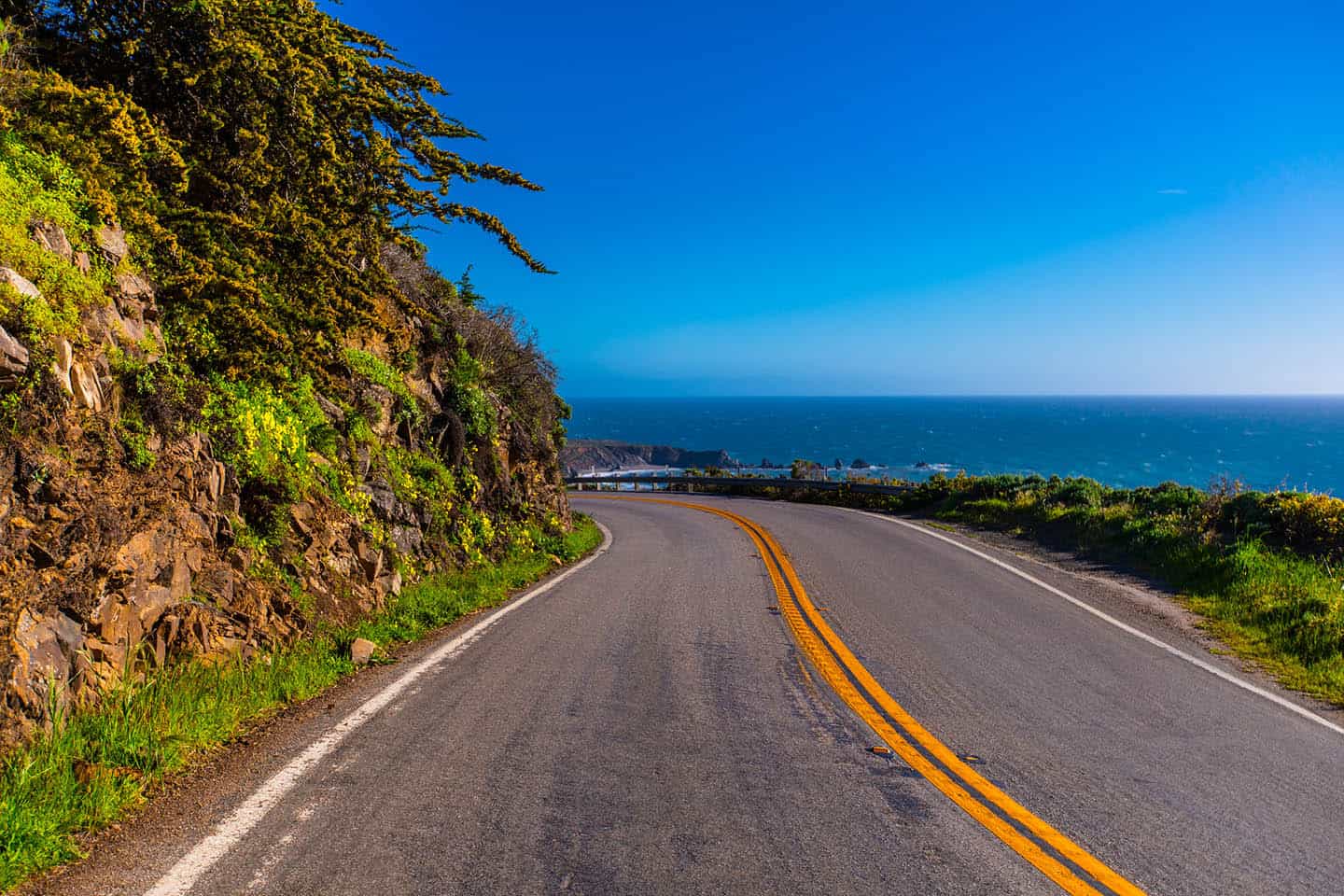
Highway 1’s coastal stretch between Big Sur and Ragged Point closes periodically when storms hit, landslides happen or construction crews move in—sometimes for weeks, sometimes for months. Check the current road status before you commit to this drive, since conditions shift with the seasons and after major weather events.
If the coastal road is closed, two simple detours keep your Highway 1 adventure moving:
Coming from the Bay Area: Explore Monterey first, then take US-101 south and cut west on CA-46 to Cambria. From there, pick up the south coast route through San Simeon, Cayucos and beyond. You’ll miss Big Sur’s dramatic cliffs, but you’ll still hit all the region’s best coastal towns and attractions while actually getting somewhere.
Coming from Los Angeles: Drive the Highway 1 Discovery Route north through Oceano and Avila Beach to Cambria, dive into San Simeon’s highlights, then take CA-46 east to US-101 north toward Monterey. This route gives you the south coast’s best scenery and stops before heading inland to finish your journey.
Both routes work beautifully—you’re swapping Big Sur’s iconic views for reliable driving and the peace of mind that comes with actually making it where you’re going. The south coast stays accessible no matter what Big Sur decides to do, which is why smart travelers build flexibility into their Highway 1 plans.
Resources & Preparation
Set yourself up for smooth Monterey exploring with these practical essentials that make a real difference.
Dress for Monterey’s ever- changing weather
Pack layers because Monterey’s weather changes without asking permission—fog rolls in at a moment’s notice, while chilly afternoons demand a windproof jacket. Bring a fleece or light layer even on perfect-looking days and add a hat for wind protection along exposed shoreline sections. UV sneaks through fog and marine layer more than you’d expect—sunscreen, sunglasses and a brimmed hat help prevent sunburn.
Wear the right shoes
Wear shoes with real grip for rocky viewpoints, tide pool exploring and Point Lobos trails where wet rocks and uneven ground turn treacherous fast. Trail runners or hiking shoes with solid tread beat fashion footwear every time, and closed-toe protection matters when navigating barnacle-covered rocks at the water’s edge.
Check the tides
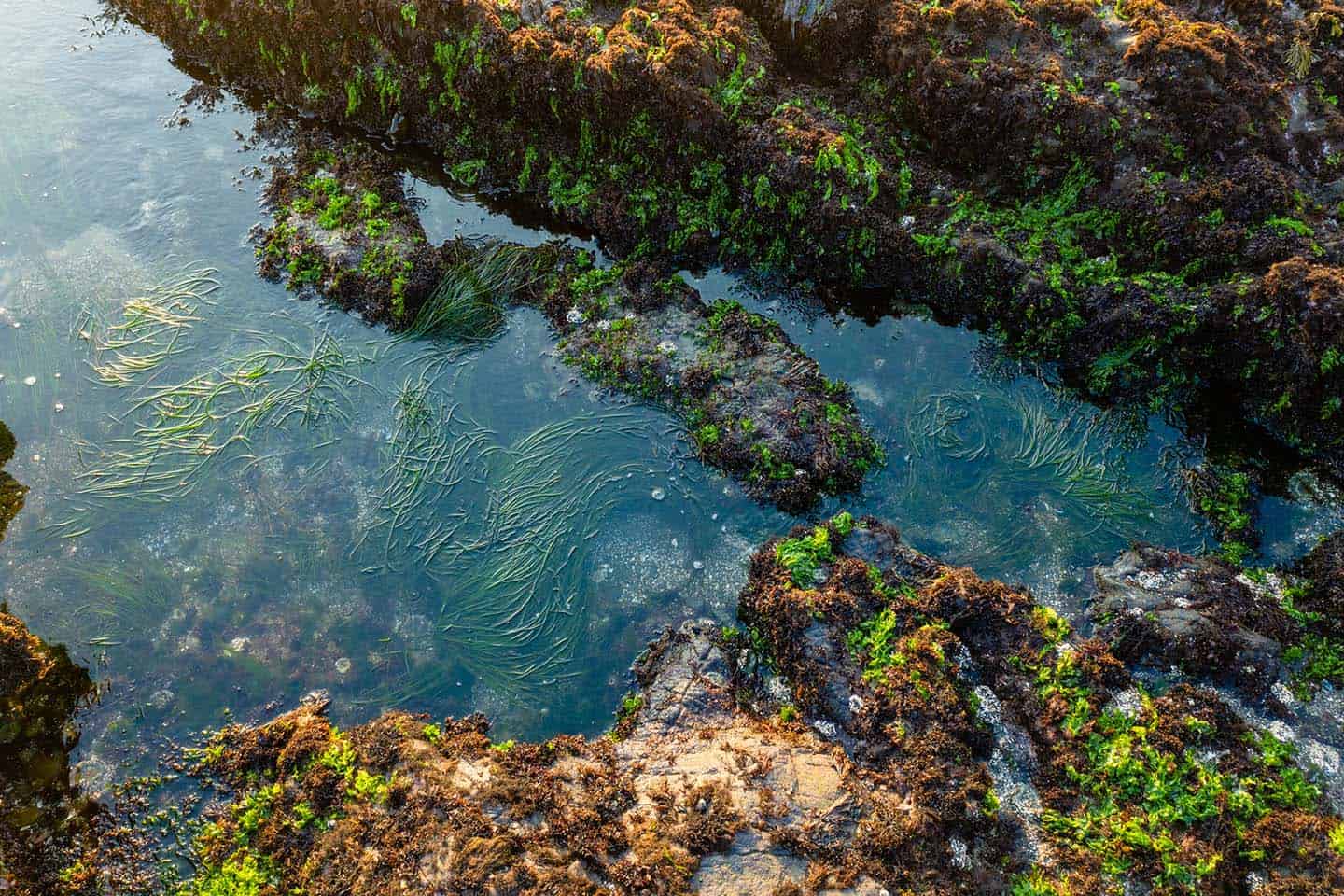
Check Monterey tide predictions before you head to tide pools or rocky shores—low tides reveal the best marine life and create safer access to areas that disappear under water at high tide. Timing your visit right means discovering vibrant tide pools instead of leaving disappointed.
Know your parking options
City parking pages list rates and lot IDs for Cannery Row, San Carlos Beach, Waterfront and Depot lots so you know what you’re walking into. Most garages take cards and work with ParkMobile for digital payment.
Accept Monterey’s weather personality
Wind and marine layer shift constantly throughout the day—clear mornings can turn foggy by afternoon or vice versa depending on weather patterns and season. Check forecasts to get a sense of what’s coming, but accept that Monterey’s microclimate defies perfect prediction. The real move is layering and staying flexible rather than betting everything on what any forecast promises.
Pro Tips
- Park once and use the trail to connect car-free
- Check tides before rocky shore stops and wear grippy footwear
- Pack layers, sun protection, water and snacks for shifting conditions

Stewardship travel for good
Explore Monterey responsibly to protect the bay, coastline and wildlife that make these monterey attractions so special. Your choices ripple—thousands of visitors make the same decisions daily, and the cumulative impact determines whether these ecosystems thrive or buckle.
Keep your distance from wildlife even when animals look calm. Harbor seals, sea lions and sea otters need space to rest and raise young without interference. Use designated viewing areas and boardwalks—binoculars and telephoto lenses get you close enough without stressing creatures already managing challenging conditions.
Choose whale-watching operators that follow NOAA guidelines for responsible viewing. Ask about their practices when you book, and pick companies that prioritize conservation. Every ticket you buy votes for the wildlife tourism you want to see more of. Stay on marked trails at Point Lobos and protected shores where erosion threatens bluffs and every footstep off-trail compounds damage over time. Rangers enforce rules to preserve ecosystems for the next generation—respect that mission.
Pack out everything you bring in, including bottle caps and wrappers that harm marine life. Leave natural items untouched for the next visitor. Multiply one shell by thousands of daily visitors and the impact becomes devastating. Skip bluff edges where your weight destabilizes fragile cliff formations. People die every year along California’s coast from edges that give way unexpectedly—protect yourself and the landscape by keeping safe distance.
Want to go deeper? Consider supporting organizations like the Monterey Bay Aquarium that fund research, education and conservation protecting this coastline. Your choices create the financial and political muscle that keeps these places protected despite development pressure.
Responsible travel isn’t about sacrifice—it’s about experiencing the coast in ways that guarantee they remain intact, vibrant and accessible for the next generation.
FAQ
How can I see Monterey’s top attractions without re-parking?
Park once near Cannery Row or Old Fisherman’s Wharf, then walk the Coastal Recreation Trail between the Aquarium, Cannery Row, the Wharf and Pacific Grove. The flat, paved trail connects every waterfront highlight in roughly 3 miles of easy, scenic walking that keeps your car stationary all day.
What Aquarium exhibits should I prioritize?
Make sure you see the Kelp Forest, Open Sea, Sea Otters and Into the Deep. These exhibits showcase Monterey Bay’s signature ecosystems and most beloved species. Reserve timed entry during peak periods to avoid sold-out windows and long entrance queues.
Is Point Lobos worth it if I’m short on time?
Yes. Even a short loop delivers dramatic cliffs, turquoise coves and wildlife encounters that rival anything else on the Monterey Peninsula. Arrive early—before 9:30 am—or late—after 3 pm—for easier parking and softer light that flatters the already stunning scenery.
What are easy free things to do in Monterey?
Walk the trail for miles of ocean views and wildlife spotting, watch harbor life from piers where sea lions and otters perform daily, window-shop Cannery Row’s galleries and boutiques, follow the self-guided “Path of History” connecting historic adobes and catch sunset along the Pacific Grove waterfront where golden hour transforms rocky shoreline into brilliant copper tones.
Where should I eat near the shoreline?
Choose walkable spots around Cannery Row, Old Fisherman’s Wharf and Pacific Grove for breakfast, ocean-view lunches and classic dinners. Wave Street Café serves breakfast near the trail, Schooners Monterey delivers view-forward lunches and Passionfish in Pacific Grove focuses on sustainable seafood. Book ahead on weekends when waterfront restaurants fill fast.
When is Monterey busiest and how do I avoid crowds?
Summer weekends, holidays and mid-morning through early afternoon see the biggest crowds and tightest parking. Arrive before 10 am to secure spots near your first stop, or visit on weekdays and during shoulder seasons—spring and fall—when traffic thins and the waterfront feels more manageable.
Can I do both the Aquarium and Point Lobos in one day?
Yes, with smart timing. Book a morning Aquarium entry, eat lunch nearby, then drive to Point Lobos for late-afternoon loops when parking turnover improves. Budget 2–3 hours at each location, and accept that you’re packing a full day that doesn’t leave much room for lingering or adding other stops.
What should I pack for a day exploring Monterey?
Layers for shifting weather including a windproof jacket, grippy shoes for rocky shores and trails, sun protection even on foggy days, water and snacks for stretches between restaurants and a daypack to carry everything while keeping hands free for photos and wildlife watching.
Are there accessible options at major attractions?
Yes. The Monterey Bay Aquarium offers free wheelchair loans, accessible routes through exhibits and viewing windows positioned for wheelchair-height sight lines. The Coastal Recreation Trail provides flat, paved walking and rolling with frequent benches. Several beaches offer reserved beach wheelchairs and accessible facilities—check specific locations for details.
How do I know if Highway 1 is open south of Big Sur?
Check the Highway 1 Road Closures & Conditions page for current status. If the coastal segment between Big Sur and Ragged Point is closed, detour via US-101 and CA-46 to reach Cambria and continue exploring the south coast. Both northern and southern approaches have reliable alternates that keep your trip on track.
Things to Do in Monterey—Your Complete Guide
This is Monterey at its finest—thrilling ocean life, awe-inspiring shoreline paths and layers of California history compressed into one walkable waterfront. Now you’ve got the insider knowledge on timing, parking and crowd patterns you need to navigate this popular destination like a local. Save the sections that match your interests, use the Coastal Recreation Trail to keep the day car-free and remember that the best moments often happen between point A and point B—when you’re simply savoring each moment as it comes.
Ready to embark on the road less traveled? Just coast. When you’re ready for quieter coves and easier parking, follow Highway 1 south into the towns beyond Big Sur where the crowds dissolve, the views expand and the heart of the coast reveals its true colors. The road keeps getting better—you just have to keep cruising.