

Highway 1 hugs Monterey Bay’s glittering coast, where kelp forests sway in the Pacific current and otters float lazily along the surface. This is where your Monterey road trip begins—but here’s the secret: The best moments don’t come from checking boxes. They come from pulling over.
From enchanting Monterey aquarium encounters to breezy waterfront strolls through Cannery Row, this is a place that rewards those who linger. The dramatic seaside drives unfold into the quieter coastal towns south of Big Sur, where the road itself becomes the destination and the scenery demands you slow down.
This handy Highway 1 Monterey itinerary walks you through the highlights before showing you how to extend south into San Simeon, Cambria and beyond—where staggering scenery meets easier logistics and the kind of relaxed overnight stays that let you actually breathe it all in.
Use the table of contents to jump to what calls to you, then let the road take it from there. Whether it’s one unforgettable day or an entire week, Highway 1’s legendary magic only reveals itself when you’re willing to coast.
Discover a Road Trip Along Highway 1
Plan Your Monterey Road Trip
Arrival points and timing:
Master Monterey’s parking and you’ll spend your day watching for whales instead of hunting for spots. Weekday mornings feel calmest around Cannery Row, the Aquarium and Old Fisherman’s Wharf—arrive before opening and you can park once, then wander the waterfront using the Coastal Recreation Trail that links all of Monterey’s best highlights. Shoulder seasons bring lighter crowds and easier parking, plus an unhurried coastal calm that you won’t find when midsummer tourists pack the peninsula.
Parking realities you need to know:
The all-day public garage near Cannery Row and Foam Street is your best bet for the Aquarium area—park here once and you’re set for the day. When garages fill, nearby surface lots on the hillside of Cannery Row offer reliable overflow. Starting at San Carlos Beach instead? The lot by the Coast Guard Pier gets you onto the waterfront trail without battling Cannery Row’s crowds. For Old Fisherman’s Wharf, the waterfront and Depot-adjacent lots offer good all-day value with easy walking access. Most garages accept cards, EV charging is available throughout the area and rates climb on busy days—plan accordingly.
Minimum time per highlight:
How long will each stop really take? The Monterey Bay Aquarium pulls you in for 2–3 hours minimum—longer if you time it for the feedings or slip into a behind-the-scenes program. A Cannery Row stroll runs 60–90 minutes if you’re just wandering, though a good meal will slow you down in the best way. Old Fisherman’s Wharf asks for 45–90 minutes, or closer to 2+ hours if you’re boarding a harbor cruise or timing a whale-watch departure. Point Lobos State Natural Reserve? Don’t rush it. Give yourself at least 2–3 hours, and shoot for early morning or late afternoon when parking opens up and the crowds pull back.
Routing sanity check:
If you’re driving from the Bay Area toward Monterey and planning to cruise south, check whether Highway 1 is open between Big Sur and Ragged Point before you go. When that segment of Highway 1 closes due to storms or construction, detour via US-101, then cut west on CA-46 to Cambria to continue your south-coast itinerary.
Coming from Los Angeles and heading north? Enjoy the Highway 1 Discovery Route up to Cambria first, then use CA-46 east to US-101 north to reach Monterey if the coastal segment is blocked.
Pro Tips:
- Park once near Cannery Row and walk the day via the Coastal Recreation Trail
- Weekday mornings and shoulder seasons mean easier parking and thinner crowds
- Arrive before 10am to claim spots near your first stop
Monterey Bay Aquarium
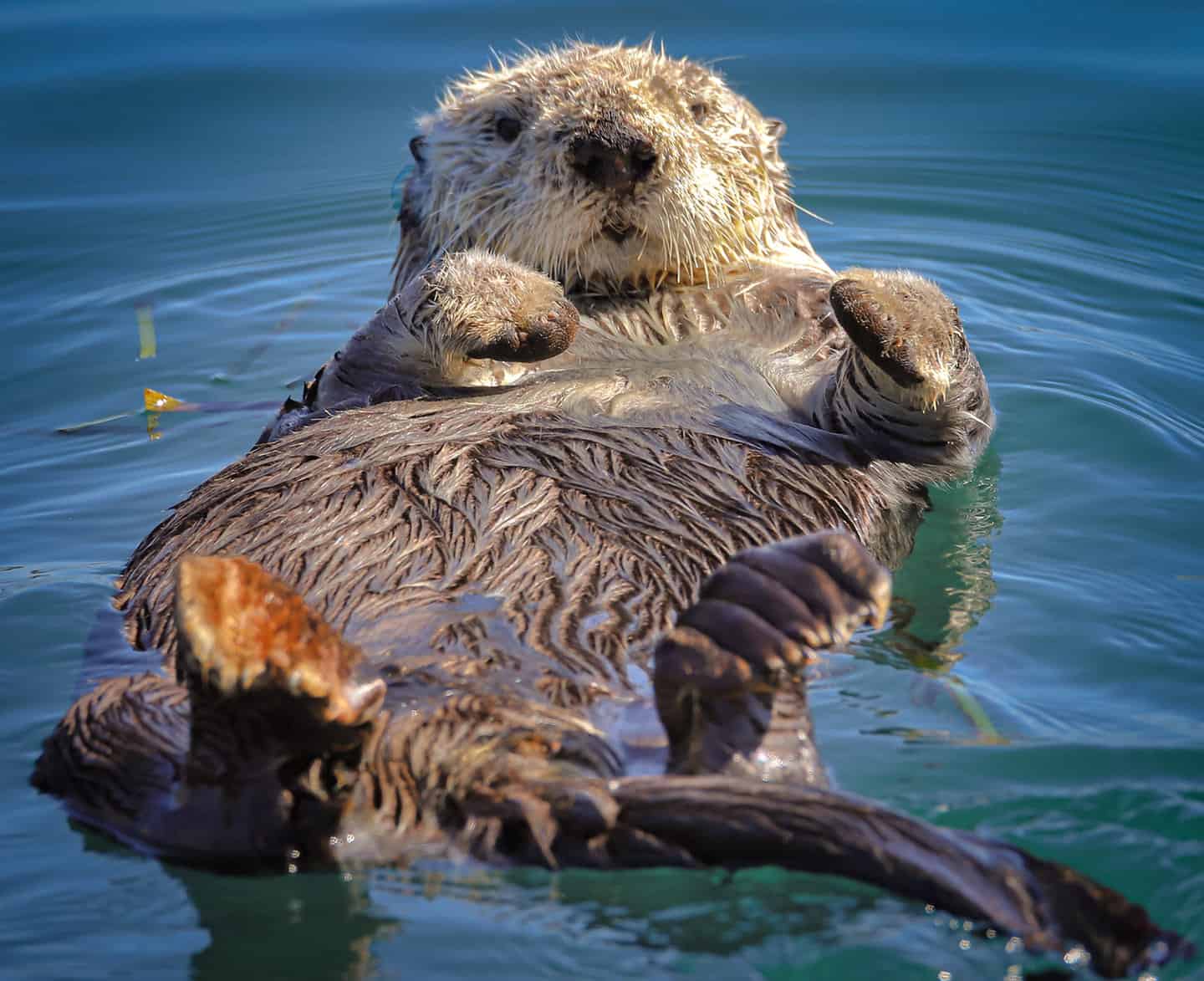
Step into the Monterey Bay Aquarium and let the rest of the world fade. Living kelp forests tower three stories tall, a million-gallon Open Sea exhibit mirrors the bay’s rhythms just beyond the glass and suddenly you’re not watching the ocean—you’re submerged.
This marquee attraction anchors your Monterey road trip with a boundary-blurring experience—sunlight filters through underwater coves, sea otters tumble past windows and the Pacific reveals vibrant creatures, making you forget which side of the glass you’re on.
These Monterey Aquarium tips will help you make the most of your visit: Timed entry keeps the flow manageable, but weekdays and shoulder seasons still feel noticeably calmer than summer weekends when families pack the galleries.
Reserve your entry time in advance—especially for weekends and holidays—then pair an early morning visit with a late lunch at Cannery Row or Fisherman’s Wharf so you skip the hassle of re-parking mid-day.
Perennial must-see exhibits for first-timers:
The Kelp Forest stops you in your tracks—and once you see it, you’ll know why. Living kelp stretches toward the surface, leopard sharks glide through the shadows and bright orange garibaldi flash between the fronds.
For the bay’s biggest rewards, the Open Sea exhibit delivers: shimmering schools of sardines, massive tunas, graceful sea turtles and more. Check feeding times when you arrive—that’s when the real action happens.
The beloved sea otters draw attentive crowds, so visit these furry friends earlier in the day before the galleries fill up. And don’t miss Into the Deep, a newer gallery developed with local research partners that takes you into the Pacific abyss, where bioluminescent invertebrates glow in the darkness.
Budget 2–3 hours to cover the headline exhibits plus a short break. Add 30–60 minutes if you plan to catch a scheduled feeding or special program—these fill fast, so check the day’s schedule when you enter and let it shape your route.
Food within a short walk that locals actually use:
Wave Street Café serves easy breakfast and brunch just steps from the Coastal Recreation Trail—perfect for an early start. For ocean-view lunches worth the splurge, Schooners Monterey at Monterey Plaza Hotel delivers both scenery and substance
Come dinnertime, Whaling Station Steakhouse perches above Cannery Row with classic fare and harbor views. Passionfish in Pacific Grove draws seafood lovers committed to sustainable catches—it’s a short drive from Cannery Row but worth the detour. When you crave something casual and unfussy, Sea Harvest Fish Market & Restaurant on Foam Street keeps it real with good-value seafood and friendly service.
Pairing ideas for the same day:
A trip to the Aquarium pairs beautifully with Monterey’s scenic waterfront, and locals know how to stretch the experience into a full day worth savoring. Park once near the Aquarium, explore the exhibits, then let the Coastal Recreation Trail guide you through Cannery Row’s photogenic nooks and out to Old Fisherman’s Wharf for a late bite with harbor views. Time your afternoon Aquarium exit to catch golden hour along Ocean View Boulevard—follow the trail toward Lover’s Point in Pacific Grove as dusk sets the rocky shoreline ablaze. Both routes let you skip the car and soak in the coastal rhythm at your own pace.
Pro Tips:
- Reserve timed entry in advance, especially for weekends and holidays
- Plan meal breaks nearby to avoid moving the car mid-day
- Check feeding schedules when you arrive and build your route around them
Cannery Row
Cannery Row packs author John Steinbeck’s sardine-canning past into a compact waterfront district filled with galleries, wine-tasting rooms and ocean-view patios. When it comes to Cannery Row things to do, the historic canneries that once processed the day’s catch house shops and restaurants, while the historic waterfront character remains, with weathered pilings and working boats bobbing in the harbor.
Stroll the Row on foot to catch the colorful details most visitors miss: quieter side streets where murals tell canning-era stories, waterfront nooks perfect for photos without the crowds and benches positioned for watching harbor seals hunt in the kelp beds below. The main strip runs busy most days, but slip down the cross streets toward the water and you’ll find ample breathing room and better light for capturing the famous coastline.
For the best experience, treat Cannery Row as part of a larger waterfront loop rather than a standalone stop. Park once in the Cannery Row garage or at San Carlos Beach, then let the Coastal Recreation Trail connect you to the Aquarium and Old Fisherman’s Wharf. Early mornings or late afternoons are best, allowing you to wander freely without weaving through bustling tour groups.
Old Fisherman’s Wharf
Old Fisherman’s Wharf draws you into classic Monterey with fresh sea air, chowder samplers and boats galore. Whale-watching tours depart from these historic docks, fishing charters unload their catch and you’ll find that quintessential Highway 1 pier experience.
Time your visit to avoid tour-group bottlenecks that clog the pier entrance mid-morning. Early breakfast or late lunch works better for claiming a waterfront table and watching the harbor come alive. From the pier’s end, scan the water for sea lions lounging on the pilings below and sea otters floating on their backs in the kelp beds—these sightings happen often enough that you should keep your camera ready.
Many whale-watching operations run from the Wharf, and advance booking becomes essential during peak seasons when tours sell out days ahead. If you’re planning a harbor cruise or whale-watch departure, budget at least 2 extra hours beyond your scheduled time for check-in, the tour itself and post-tour browsing. Quick bites pair well with action-packed Aquarium days—grab chowder or fish tacos to go, then continue your waterfront walk without committing to a full sit-down meal that requires another parking scramble.
Point Lobos State Natural Reserve
Point Lobos State Natural Reserve
Where windswept cypress trees frame jade coves and harbor seals bob in the kelp beds just yards from your feet—Point Lobos ranks among California’s most spectacular coastal preserves. The reserve sits close enough to Monterey for an easy half-day addition, though limited parking demands smart timing if you want to avoid circling a full lot or turning back at the gates.
Arrive before mid-morning to claim one of the limited spots before the preserve hits capacity and closes entry. Late afternoon works too—after mid-afternoon, morning visitors stream out and openings appear for sunset seekers chasing that golden light on the headlands. The preserve caps vehicle numbers to protect the fragile habitat, so when capacity hits, you’ll either wait in the queue or return later.
Short loop options with signature viewpoints:
Follow the Cypress Grove Trail to the preserve’s loveliest view—ancient Monterey cypress trees silhouetted against the Pacific. Wind along Sea Lion Point Trail to a rocky outcrop where barking sea lions haul out on offshore rocks year-round. Or climb the Bird Island Trail to elevated viewpoints across Whaler’s Cove and out to the white-capped island where cormorants nest in chaotic colonies. Each loop covers 0.5 to 1 mile, and you can easily link two or three in a 2–3 hour visit at a comfortable pace.
That said, be sure to stick to signed trails to protect the sensitive habitat—shortcuts erode the bluffs and trample native plants that took decades to establish. The preserve’s beauty depends on you staying on designated paths, and rangers enforce the rules to keep this place pristine for future generations.
Pairing Point Lobos with your Monterey day:
Book a morning Aquarium entry, grab lunch nearby in Monterey, then drive to Point Lobos for late-afternoon loops when parking turnover improves and the light softens into that golden glow photographers chase.
Or reverse it: catch Point Lobos at sunrise when the gates open, then head back to Monterey for a midday Aquarium visit and lunch on Cannery Row. Either sequence lets you dodge the mid-morning parking crunch and experience both highlights without the frustration of a full lot.
Pro Tips:
- Aim for before mid-morning or after mid-afternoon for easier parking
- Stick to signed trails to protect sensitive habitat
- Budget 2–3 hours for a great first visit
Pacific Grove and Coastal Rec Trail
Bike or stroll the Pacific Grove shoreline where Victorian homes face the bay and the Coastal Recreation Trail ribbons along the water for miles. This is Monterey’s quieter side—with fewer crowds you can better hear the tranquil sound of seabirds overhead.
The Coastal Recreation Trail connects Old Fisherman’s Wharf, Cannery Row, the Aquarium and Pacific Grove without moving your car. Mostly flat and paved, it’s ideal for a park-once strategy that lets you walk or bike between highlights while stopping for photos, coffee or impromptu picnics on the rocks. The trail runs about 18 miles total, but the Monterey to Pacific Grove stretch covers roughly 3 miles and showcases the bay’s best waterfront views without demanding serious effort.
Claim a bench at Lovers Point Park, where grassy lawns slope to protected coves and you can watch the water for hours. Pull over along Ocean View Boulevard’s multiple turnouts to snap photos or simply sit and watch the waves roll in. Spread out at Perkins Park where tide pools emerge at low tide and you’ll find plenty of space without competing for real estate with tour groups.
Sunset timing shifts dramatically depending on weather—clear days paint those classic California twilights with the sun sinking into the Pacific, while foggy evenings soften into silvery grays that feel equally beautiful. Both reward the effort, so don’t skip the sunset walk just because fog rolled in.
For a simple, scenic walking or biking loop, park at the Aquarium garage, tour the exhibits then stroll or rent bikes to follow the Coastal Recreation Trail north through Pacific Grove. Stop at Lover’s Point for a late lunch or snack, continue along Ocean View Boulevard for photos then loop back via the same route. The round trip covers 6 miles to Lovers Point and back—easy terrain, incredible views and zero re-parking stress.
Beaches and Kayaking in Monterey
Sink your toes into Monterey’s protected coves and sandy stretches when you need a break from the crowds. The bay’s shelter keeps the water calmer than the open-ocean beaches farther south, making this one of the more approachable spots along Highway 1 for first-time kayakers or families with young kids testing the Pacific.
Launch from San Carlos Beach right on the Coastal Recreation Trail near the Aquarium, where soft sand and gentle surf create easy entry points for kayakers. Spread your blanket at Del Monte Beach where longer, wider stretches give you room to spread out without bumper-to-bumper beach towels.
Both beaches stay relatively calm compared to the exposed coastline elsewhere, though wind and swell conditions shift throughout the day—mornings typically bring the smoothest water before afternoon breezes pick up.
Kayak rentals and what to expect:
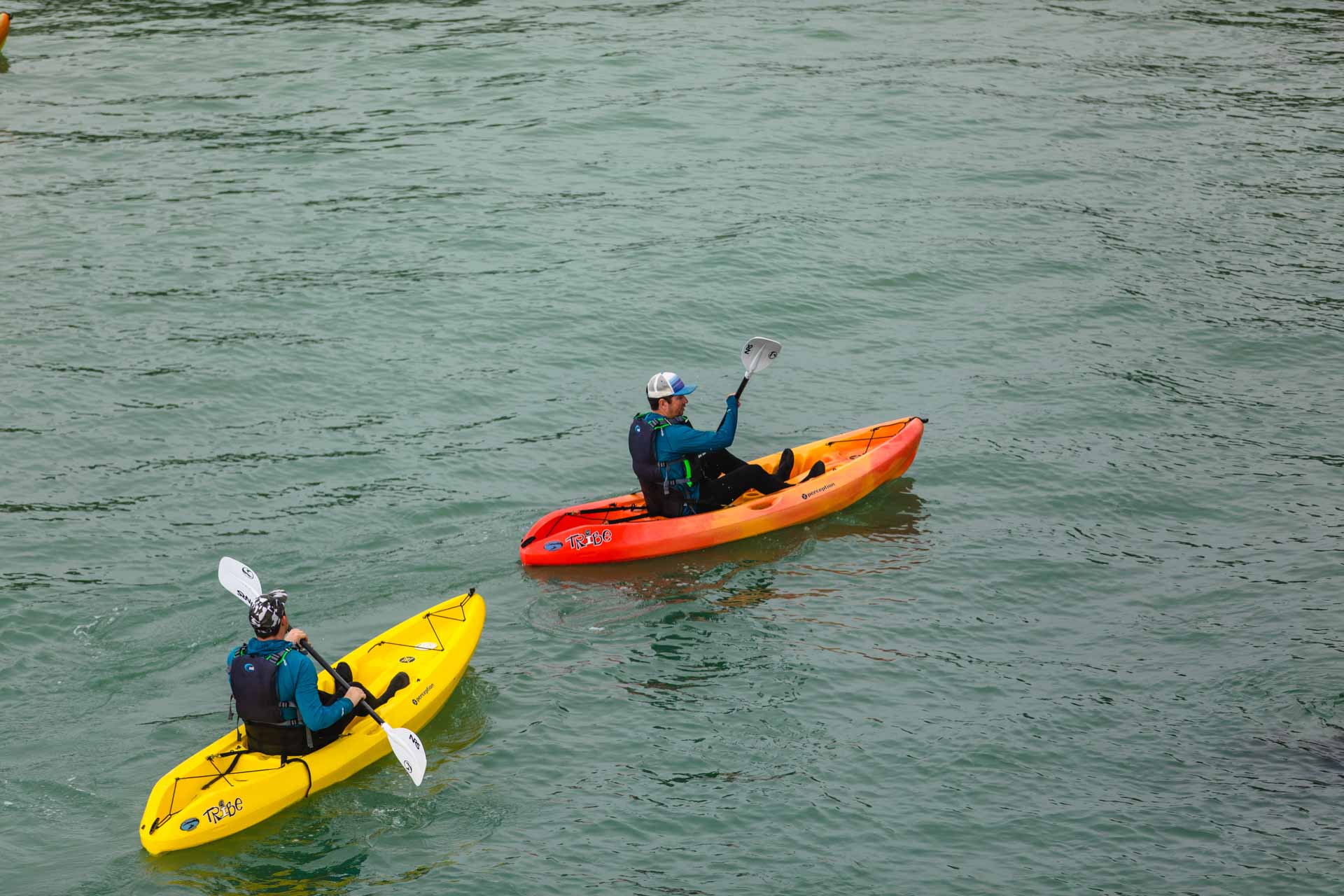
Get paddling: Several outfitters operate near the harbor, offering kayak rentals by the hour or half-day with basic instruction for beginners. Launch from protected sections where kelp forests buffer the swell, then paddle along the shoreline watching for sea otters, harbor seals and the occasional sea lion investigating your vessel. Morning water stays clear and glassy, giving you the best conditions for easy paddling and wildlife spotting before the wind kicks in.
Remember, safety matters more than you might think—wear proper flotation even if you’re a strong swimmer, and respect the wildlife exclusion zones marked by buoys and signage. These boundaries protect hauled-out seals and nesting seabirds from disturbance, and rangers enforce them. Check wind forecasts before you commit to a paddle—when gusts arrive, the bay turns too intense for beginners trying to make headway against the chop.
Pro Tips:
- Morning water is often calmer for paddling
- Wear proper flotation and respect wildlife boundaries
Whale Watching from Monterey
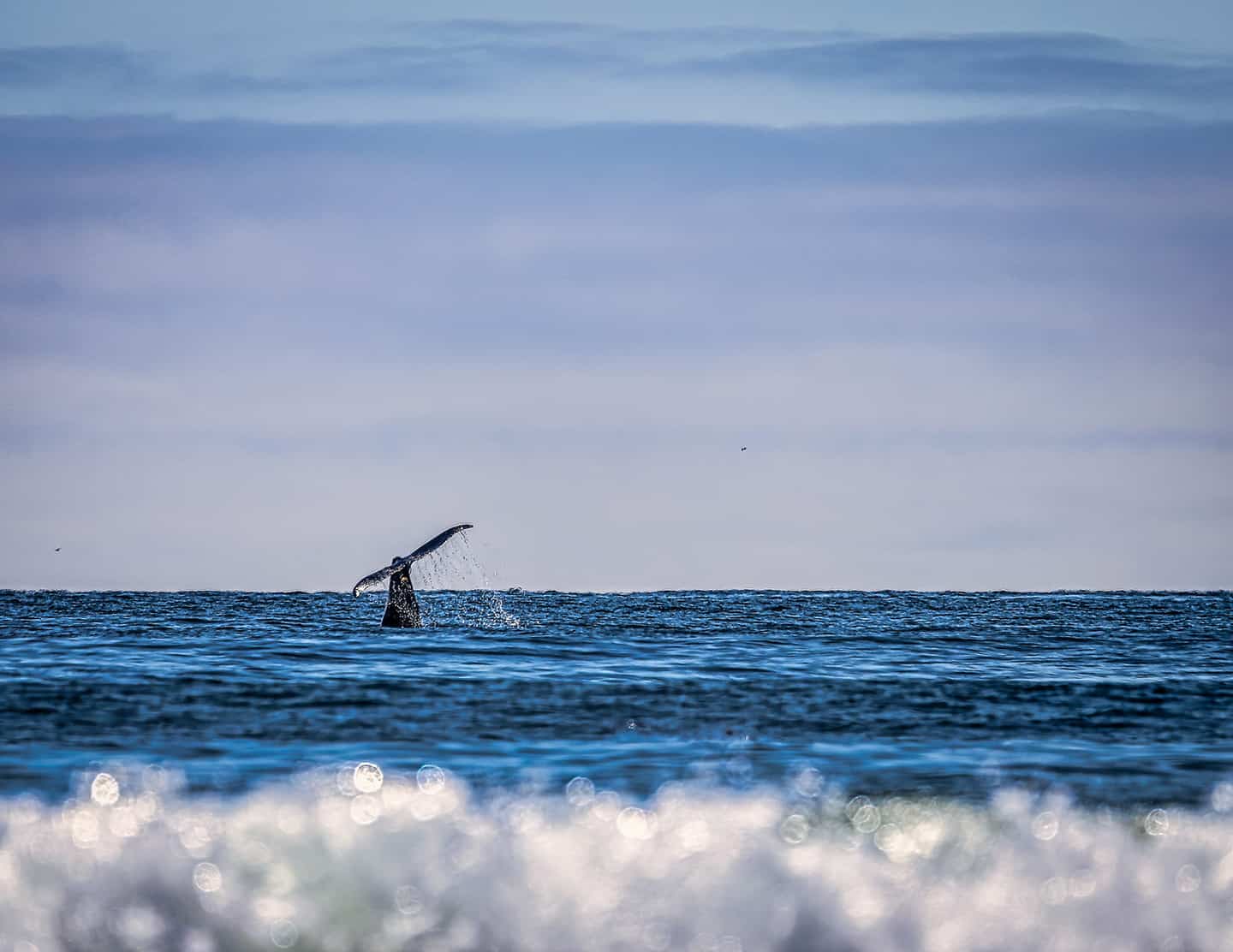
Board a whale watching vessel from Old Fisherman’s Wharf for the chase to glimpse a giant. In Monterey Bay, deep submarine canyons funnel nutrients close to shore and create feeding grounds for gray whales, humpbacks, blues and dolphins—making this one of California’s premier whale-watching ports. With naturalists on board ready to help you spot what’s surfacing and answer questions, you’ll come away with a new appreciation for the ocean’s most majestic creatures.
Set your seasonal expectations before you book—gray whales migrate through Monterey Bay during winter and spring, often visible from shore as they hug the coastline on their journey between Alaska and Baja. Spring through fall brings humpback whales and, in productive years, blue whales feeding on krill blooms that turn the water dense with life. Dolphins and orcas appear less predictably, but show up often enough that guides keep scanning the horizon for their telltale fins breaking the surface.
Budget 3–4 hours from dock departure to return, giving your boat time to reach the feeding grounds and search for wildlife without rushing back. Layer up with windproof outerwear—even summer mornings turn cold once you’re on the water with wind cutting across the bow. Book morning departures for calmer seas and better visibility before afternoon winds pick up and make the ride choppier.
Motion sensitivity tips:
Prone to sea sickness? Take preventative medication 30–60 minutes before departure, then position yourself on the lower deck near the boat’s center where motion feels less pronounced. Keep your eyes on the horizon instead of reading or staring at your phone screen—this helps your brain sync with the boat’s movement. Pack light snacks like crackers or ginger candies and stay hydrated without overdoing liquids right before departure.
You’ll also want to skip the heavy breakfast before a 3-hour ocean trip. Go ahead and save your appetite for lunch at Old Fisherman’s Wharf once you’re back on solid ground. Light snacks are a great idea and most boats suggest you wait until after the tour to enjoy a heartier meal.
Pro Tips:
- Tours commonly run 3–4 hours
- Gray whales are most visible in winter and spring; humpbacks and blues often show in warmer months
- Dress in layers to stay warm, including windproof outerwear
Monterey to Big Sur: Scenic Stops
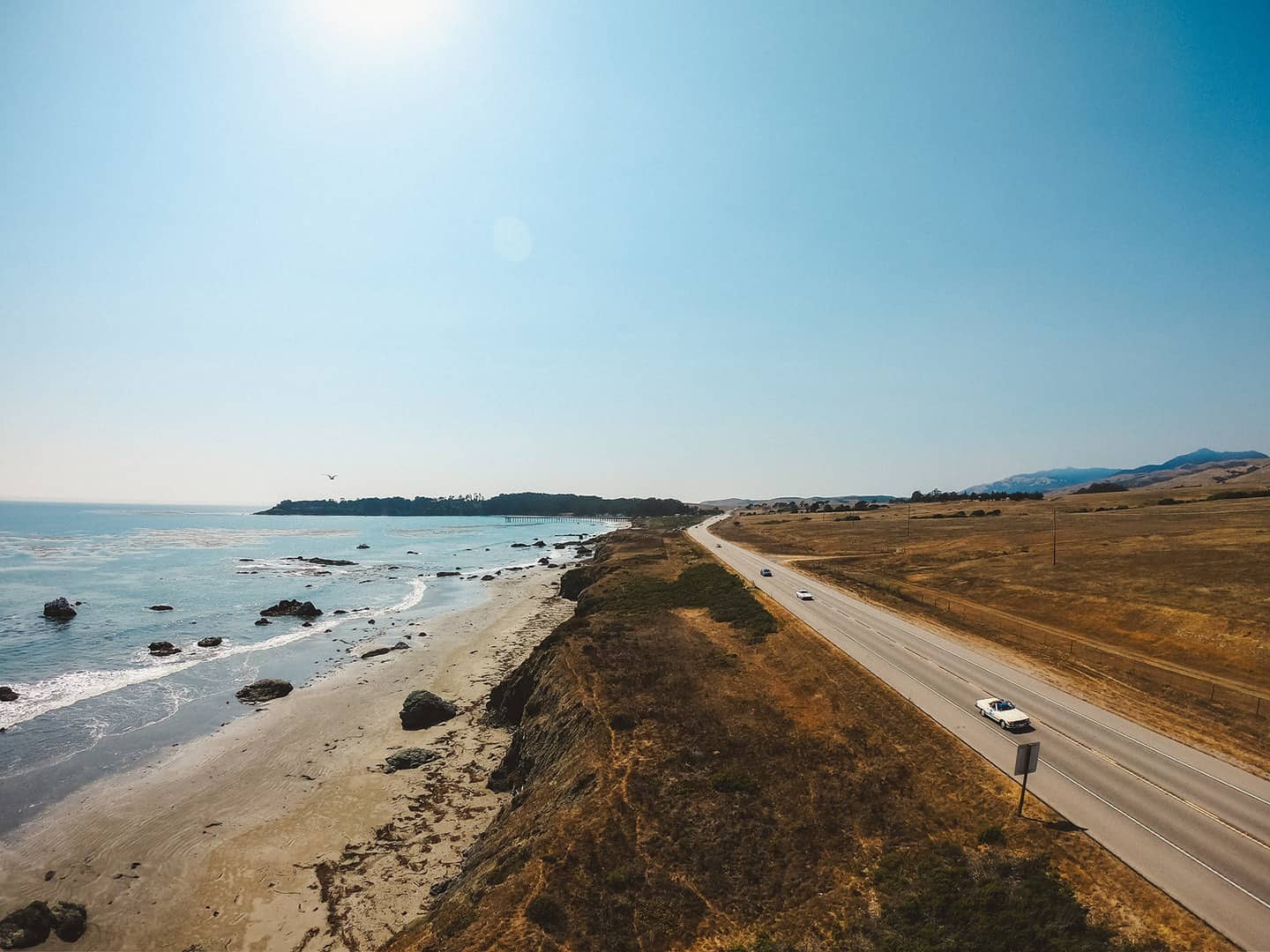
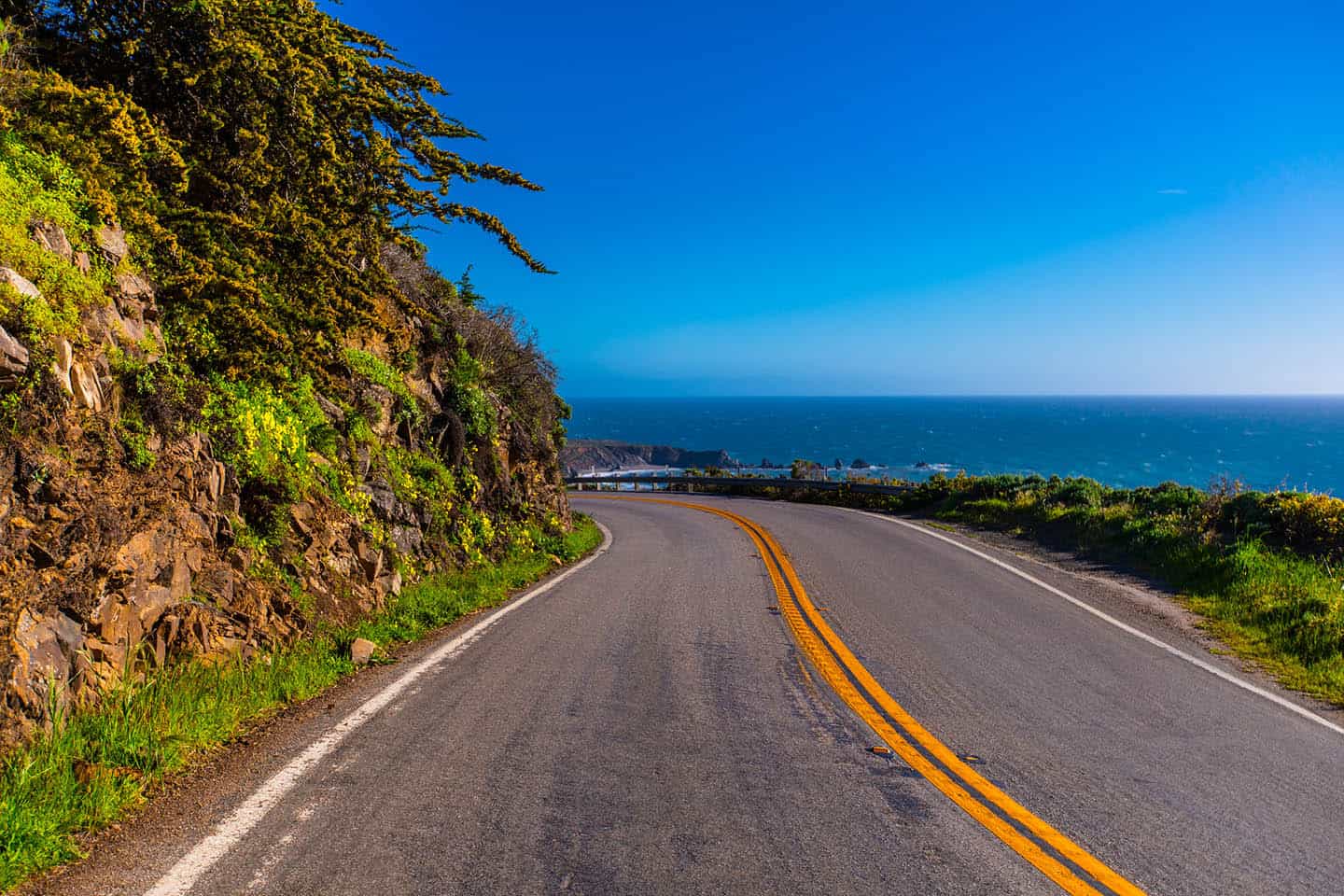
Watch Highway 1 turn wild the moment you leave Monterey’s developed peninsula and curve south toward Ragged Point, your Gateway to Big Sur. The road narrows, the cliffs steepen and turnouts emerge every few miles—each one framing astounding views that stretch from rocky headlands to the Pacific’s endless blue.
Pull over at the marked vista points rather than stopping in traffic lanes or on blind curves. These designated turnouts give you safe space to park, snap photos and soak in the rugged scenery without creating hazards for drivers rounding the next bend. Be sure to follow turnout etiquette: pull all the way in, leave space for other vehicles and keep your time brief during peak hours when cars queue for the same shot. It goes without saying that watching the sunset remains one of the most popular things to do in Big Sur.
Fog shifts quickly along this stretch, rolling in dense one moment, then burning off to reveal crystal-clear views the next. Morning fog typically lifts by mid-morning in summer, while winter storms can keep the coast socked in for days. Both conditions offer their own rewards—fog softens the coastline into a silvery dreamscape, while clear days showcase the full scope of Big Sur’s dramatic cliffs plunging into churning surf hundreds of feet below.
Route Options: Coming from the Bay Area vs Los Angeles
Check your starting point before you hit the road—it determines how you approach this Monterey road trip and saves hours of backtracking if Highway 1’s coastal segment between Big Sur and Ragged Point happens to be closed.
Bay Area to Monterey, then southbound:
Explore Monterey’s highlights first—the Aquarium, Cannery Row, Old Fisherman’s Wharf and Point Lobos—then continue south along Highway 1 through Big Sur’s scenic coastal stretch. If the segment between Big Sur and Ragged Point is open, you’ll experience some of California’s most iconic ocean vistas as the road curves past Bixby Bridge, Point Sur and into the gateway towns beyond. When that segment is closed due to storms or construction, detour via US-101 south, then cut west on CA-46 to Cambria. From Cambria, pick up the south-coast itinerary through San Simeon, Cayucos and the quieter beach towns that still offer big scenery minus Big Sur’s crowds.
Los Angeles northbound toward Monterey:
Start by exploring the Highway 1 Discovery Route north through Oceano, Avila Beach and up to Cambria—this stretch stays open more reliably and gives you those first tastes of coastal driving without the stress of checking road closures. From Cambria, if the coastal segment through Big Sur is closed, take CA-46 east to US-101 north, then continue to Monterey via the inland route. You’ll miss Big Sur’s cliffside drama, but you’ll still experience Monterey’s waterfront highlights and can always return for Big Sur another trip when the road reopens. If the coastal segment is open, continue north through San Simeon, past Ragged Point and into Big Sur proper before reaching Monterey from the south.
Both routes work—check road status before you commit and know your backup plan if the coastal segment is blocked.
Notable stops as you head south:
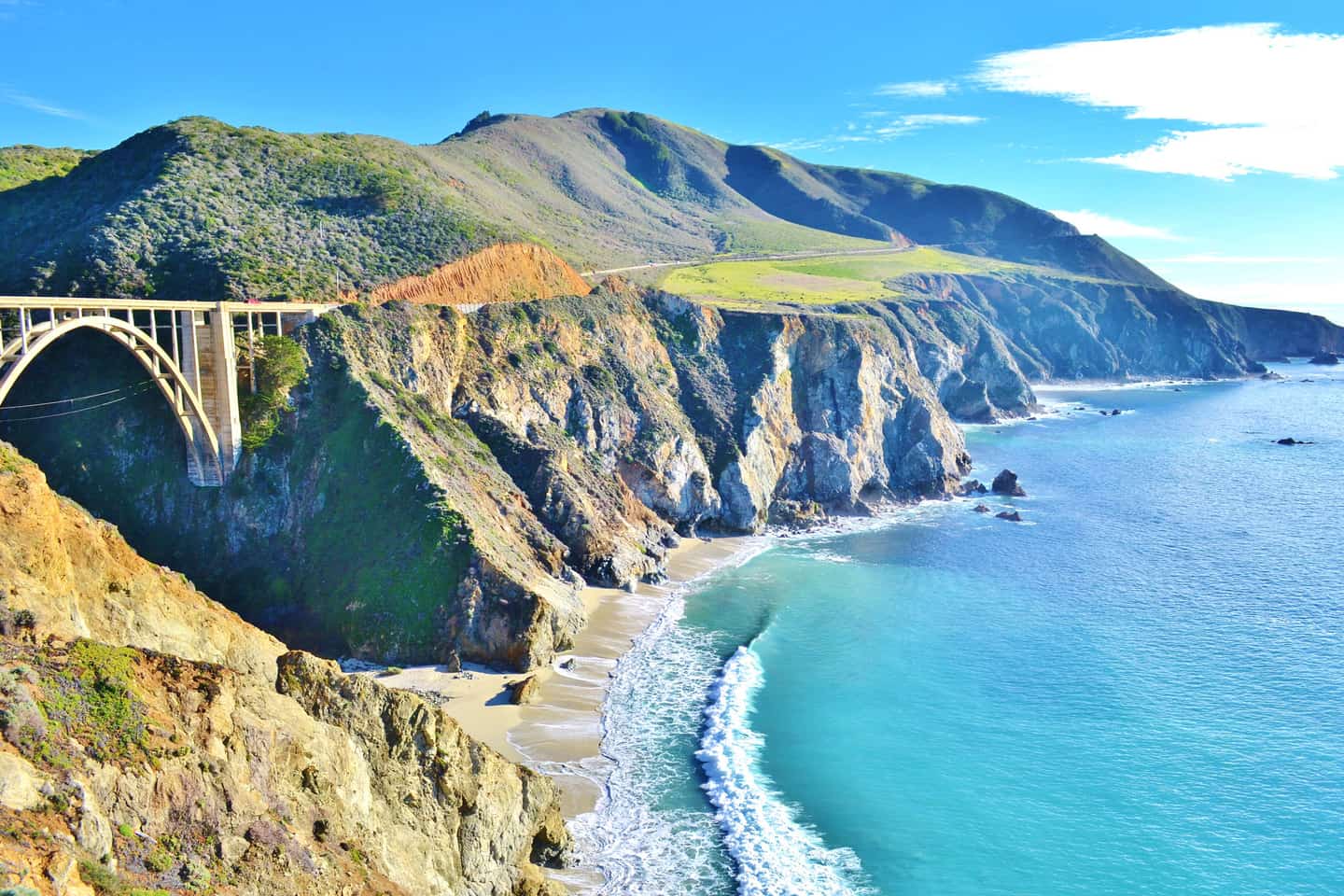
Be sure to stop at Bixby Bridge, one of Highway 1’s most photographed landmarks—a concrete arch spanning a deep canyon with the azure Pacific beyond. Park at the north vista point for the classic angle, or continue south to the pullout on the bridge’s far side for a different perspective. Climb Point Sur Light Station next, a historic lighthouse perched on a volcanic rock outcrop that juts into the ocean. Guided tours run seasonally if you want to explore the keeper’s quarters and tower.
As the miles accumulate and the crowds thin, you’ll approach the Gateway to Big Sur and Ragged Point—natural next steps for anyone continuing south who enjoys scenic overlooks, short nature walks and a beautiful place to pause before the road opens into the quieter coastal towns beyond.
Gateway to Big Sur: Ragged Point
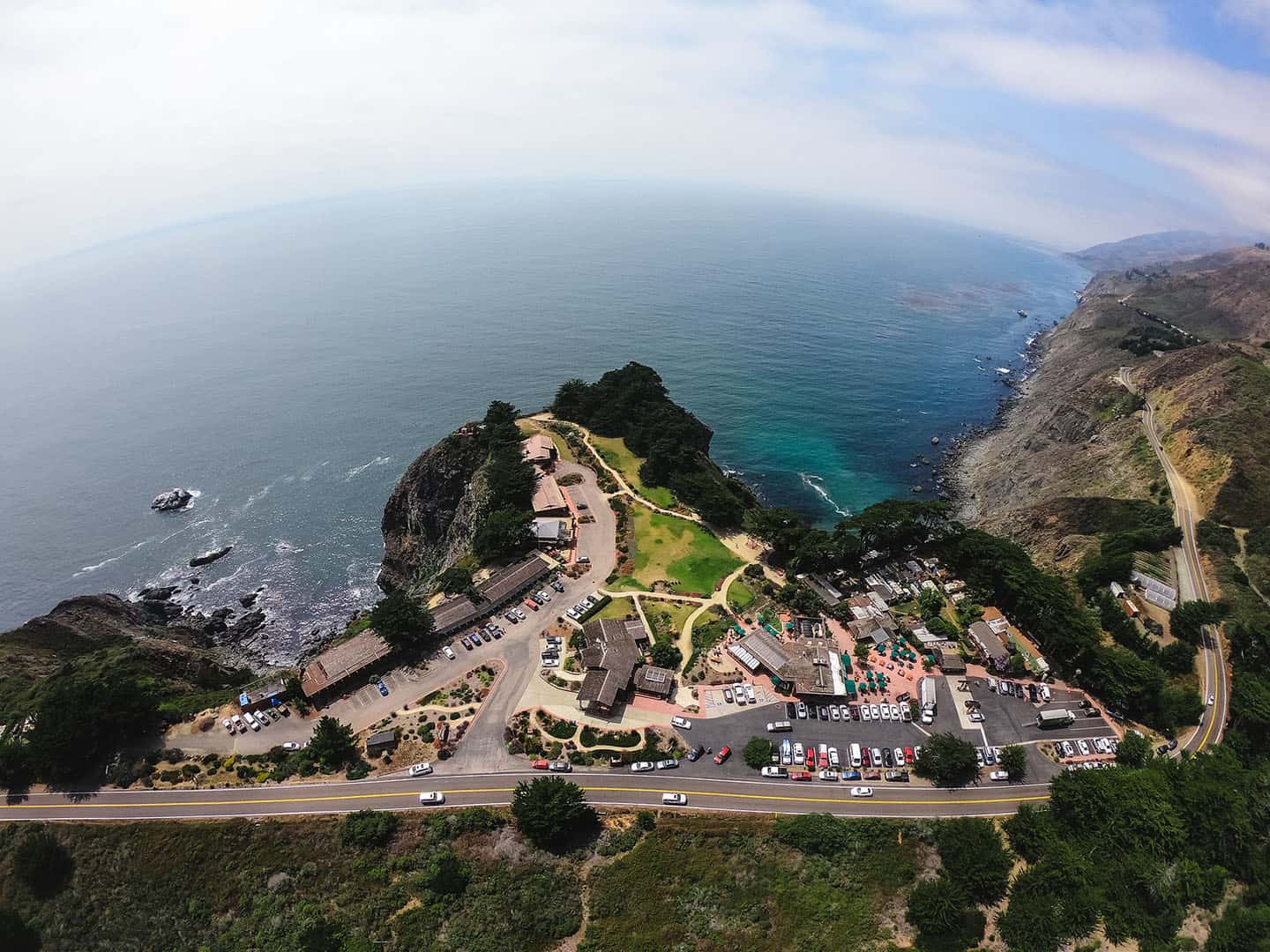
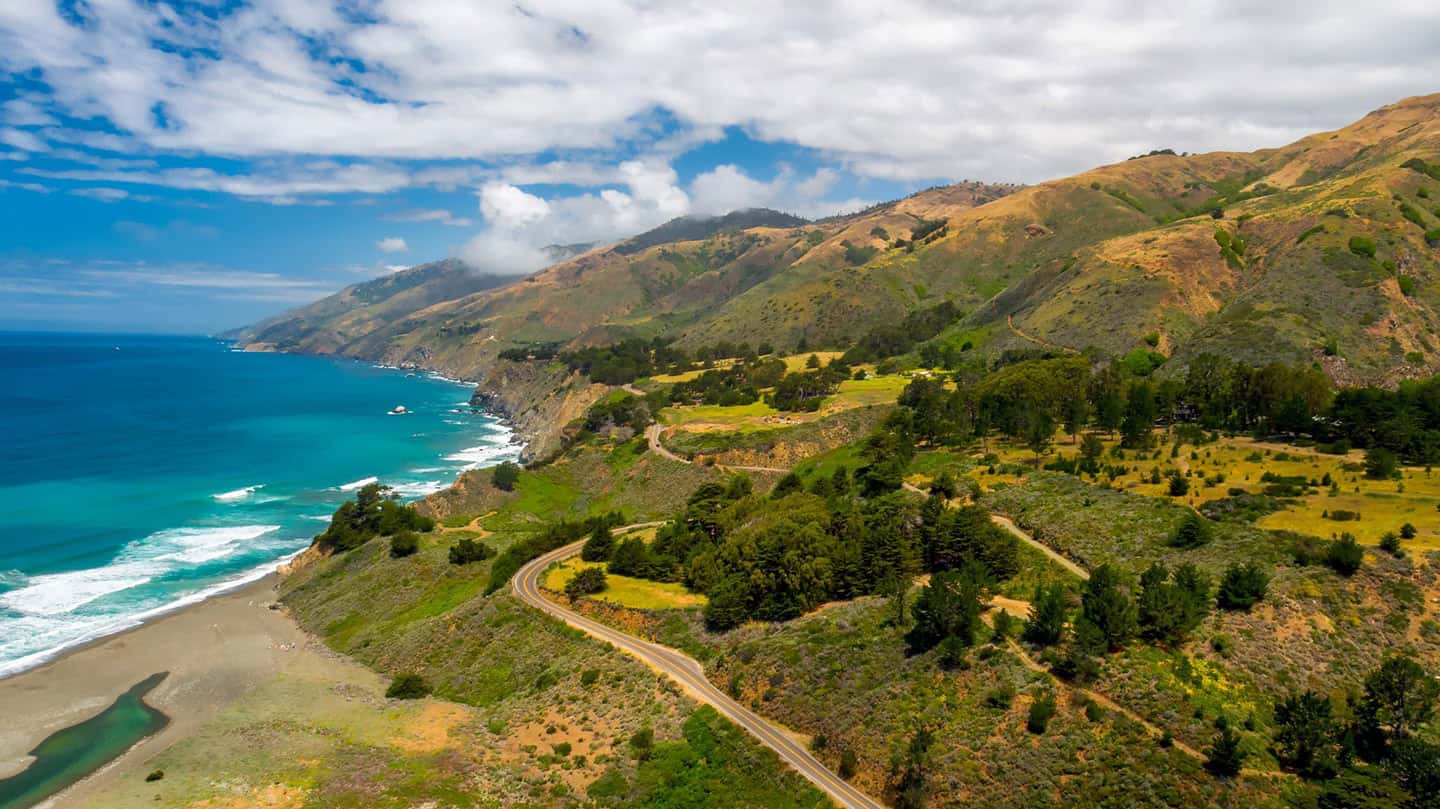
Behold Ragged Point, the first iconic overlook south of Big Sur proper, where a grassy clifftop perches hundreds of feet above the sea and delivers some of the most jaw-dropping ocean views along Highway 1.
From the Ragged Point Inn, there’s more to explore than the breathtaking panorama—a black sand beach and seasonal waterfall tumble directly into the crashing surf below. Perched at the Gateway to Big Sur, Ragged Point makes a welcome home base for road trippers exploring Highway 1 in both directions—north into Big Sur’s towering coastal scenery or south into San Simeon’s easier-access attractions and relaxed overnight stays.
Walk the short vista loops around the Ragged Point Inn property for awe-inspiring views stretching miles along the coastline. The main overlook sits steps from parking—perfect for quick photo stops. Follow the clifftop trail as it winds past spring wildflowers with multiple vantage points for capturing the coast’s layered beauty. For extended exploration, Hiking San Simeon and Ragged Point reveals more trails and coastal access worth discovering.
Photographers love this location for good reason. Shoot during golden hour when light softens and backlights the coastal fog hovering just offshore. Morning rays hit the cliffs from the east, while late afternoon casts a warm glow that transforms casual snapshots into postcard-worthy images. Note that fog patterns shift throughout the day—some mornings arrive crystal clear, others stay wrapped in gauzy mist until midday.
How long does it take to thoroughly enjoy Ragged Point? Pass through for a one-day photo stop and coffee before continuing to San Simeon or back to Monterey, or stay overnight to explore both directions. Prepare to stay three days for weather flexibility—if fog socks in one morning, pivot to indoor attractions like Hearst Castle, then return for coastal hikes when conditions improve. You may also want to consider scheduling your visit during spring bloom when wildflowers wash the coastal scrub in hues of yellow, purple and orange.

Must-See South of Big Sur: San Simeon Icons
Experience San Simeon’s marquee Highway 1 moments: these stops belong on every Monterey road trip itinerary, even when time runs tight. The Elephant Seal Rookery, Hearst Castle, Piedras Blancas Light Station and San Simeon Cove cluster together for an easy half-day or full-day stop as you extend south from Big Sur.
Elephant Seal Rookery seasons and viewing etiquette:
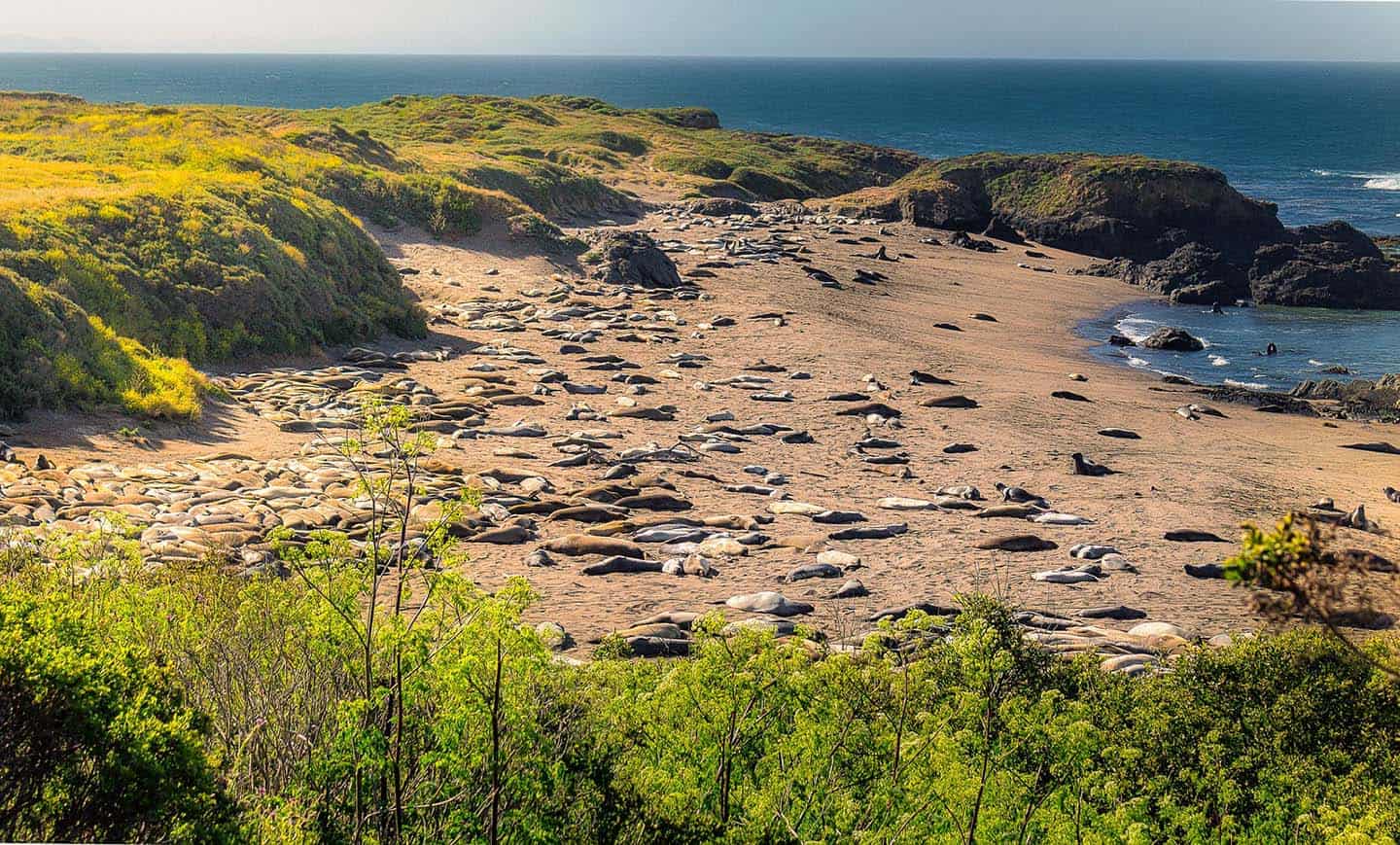
Walk the viewing boardwalks to observe dozens of Northern Elephant Seals in their natural habitat. Pupping season runs December through March when newborn pups nurse on the beach, while molting season arrives April through May as seals shed their skin in patchy layers. Breeding season dominates late fall through winter, when massive bulls battle for dominance with thunderous roars that echo across the sand.
It’s a popular stop for families stretching their legs, and the viewing area stays open year-round with free parking and interpretive displays. Plus, knowledgeable docents from Friends of the Elephant Seals are on hand to share insights about migration patterns and conservation efforts—kid’s love learning about the seals sunbathing before their very eyes.
A word of warning: Keep your distance even when these creatures look calm—bulls move surprisingly fast when disturbed, and getting too close stresses mothers with nursing pups. Be sure to stay behind the designated viewing railings and leave the drone at home, as the noise disrupts natural behaviors and puts unnecessary stress on the colony.
Hearst Castle tour types and booking windows:
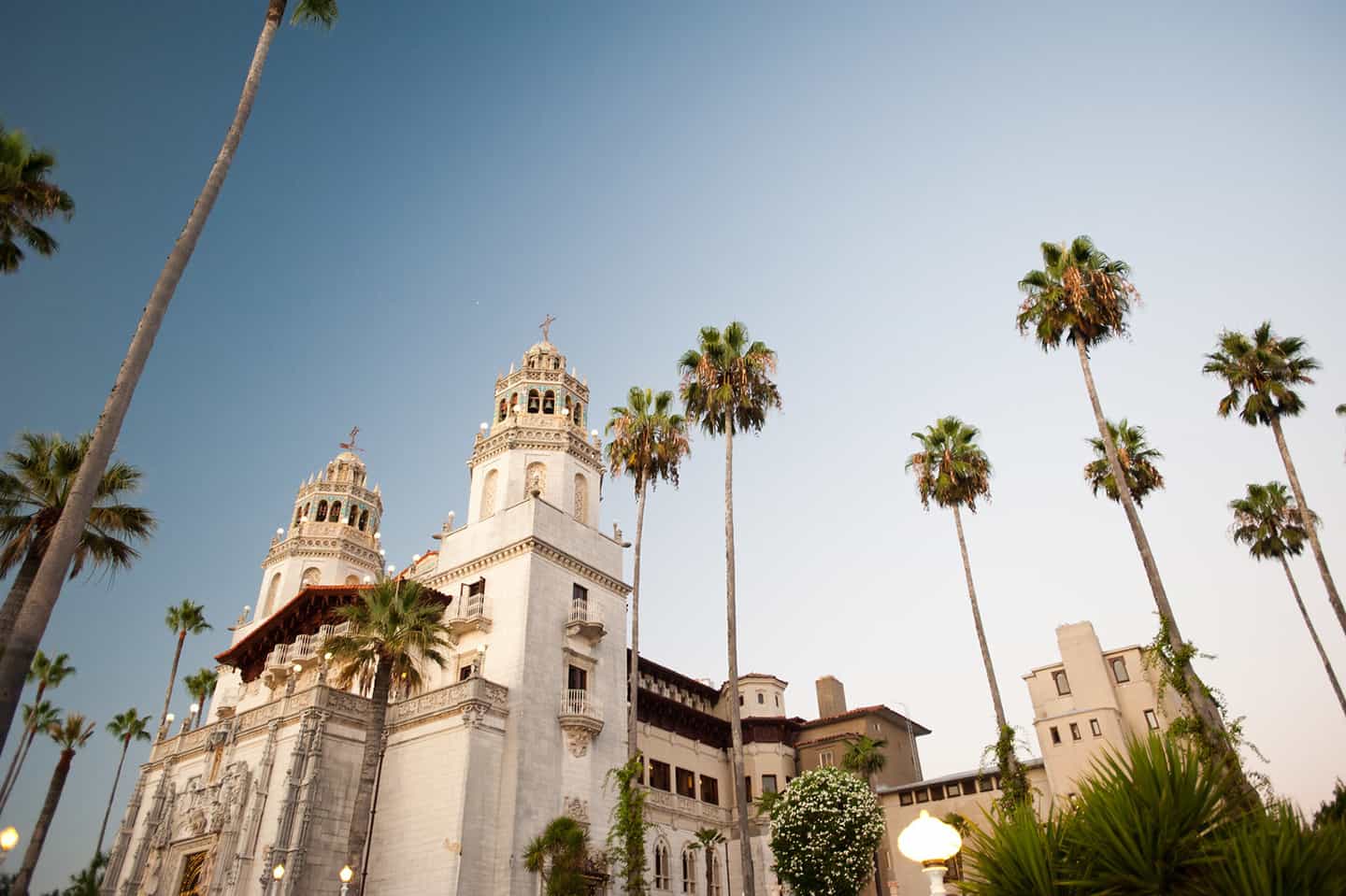
Climb to William Randolph Hearst’s hilltop estate, California’s most visited historic house museum, where morning light streams through stained-glass windows imported from European cathedrals and Mediterranean-style gardens overlook the Pacific stretching to the horizon. Hearst Castle remains one of Highway 1’s most popular and iconic attractions, so be sure to take the time to see it if you have an hour or so to spare.
Choose from tour options that cater to different interests—the Grand Rooms Tour covers the highlights for first-timers, while specialized tours dive deeper into the estate’s architecture, gardens or Hearst’s legendary entertaining history. Do make sure to book early during peak seasons when tours sell out days or weeks in advance, and aim for morning departures when crowds thin and lighting improves for photography.
Piedras Blancas Light Station tours and headland wildlife:
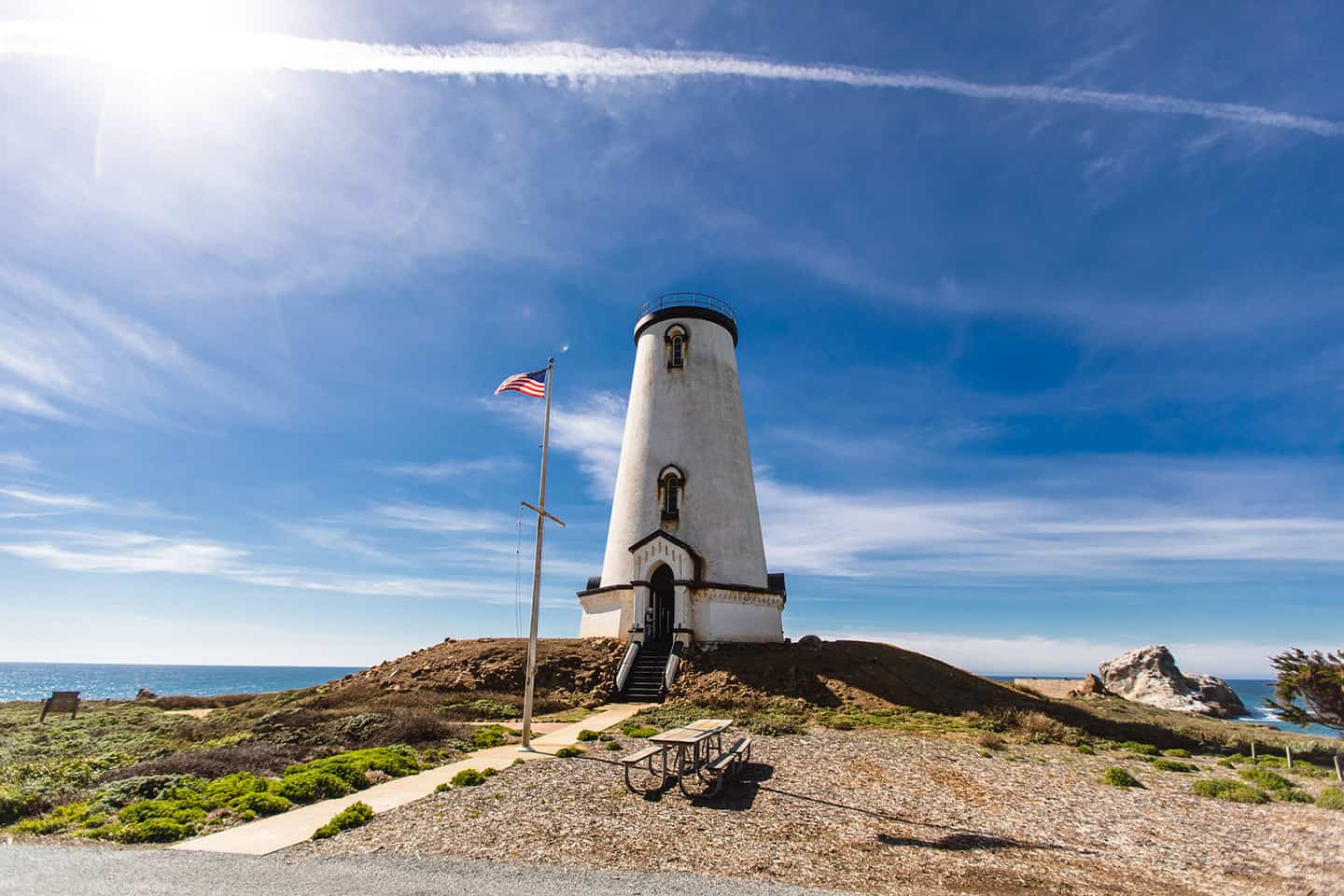
Explore California’s 1875 lighthouse, commanding windswept headland views from its 90-foot perch. Here, guided tours reveal the isolated lives of lighthouse keepers who tended the beacon through decades of storms and solitude. Meet at the lighthouse entrance in the morning, where docents share stories of shipwrecks and rescue operations as you climb the spiral staircase for panoramic coastal views.
Scan the surrounding headlands for wildlife year-round—harbor seals gather on nearby rocks, gray whales migrate close to shore during winter and spring and the rare zebra occasionally appears in coastal pastures (descendants of William Randolph Hearst’s private zoo).
Wind down at San Simeon Cove, Point & Pier:
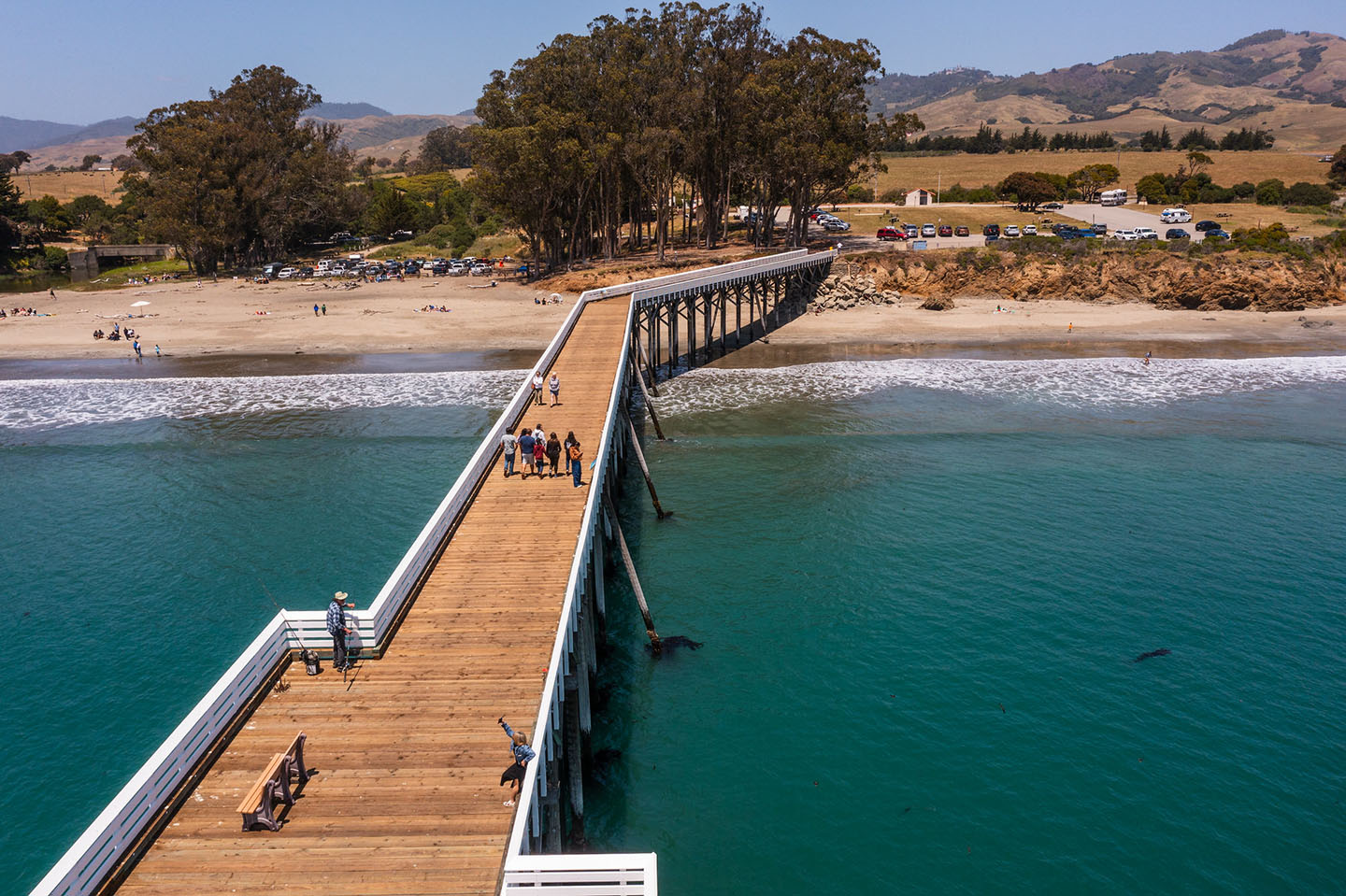
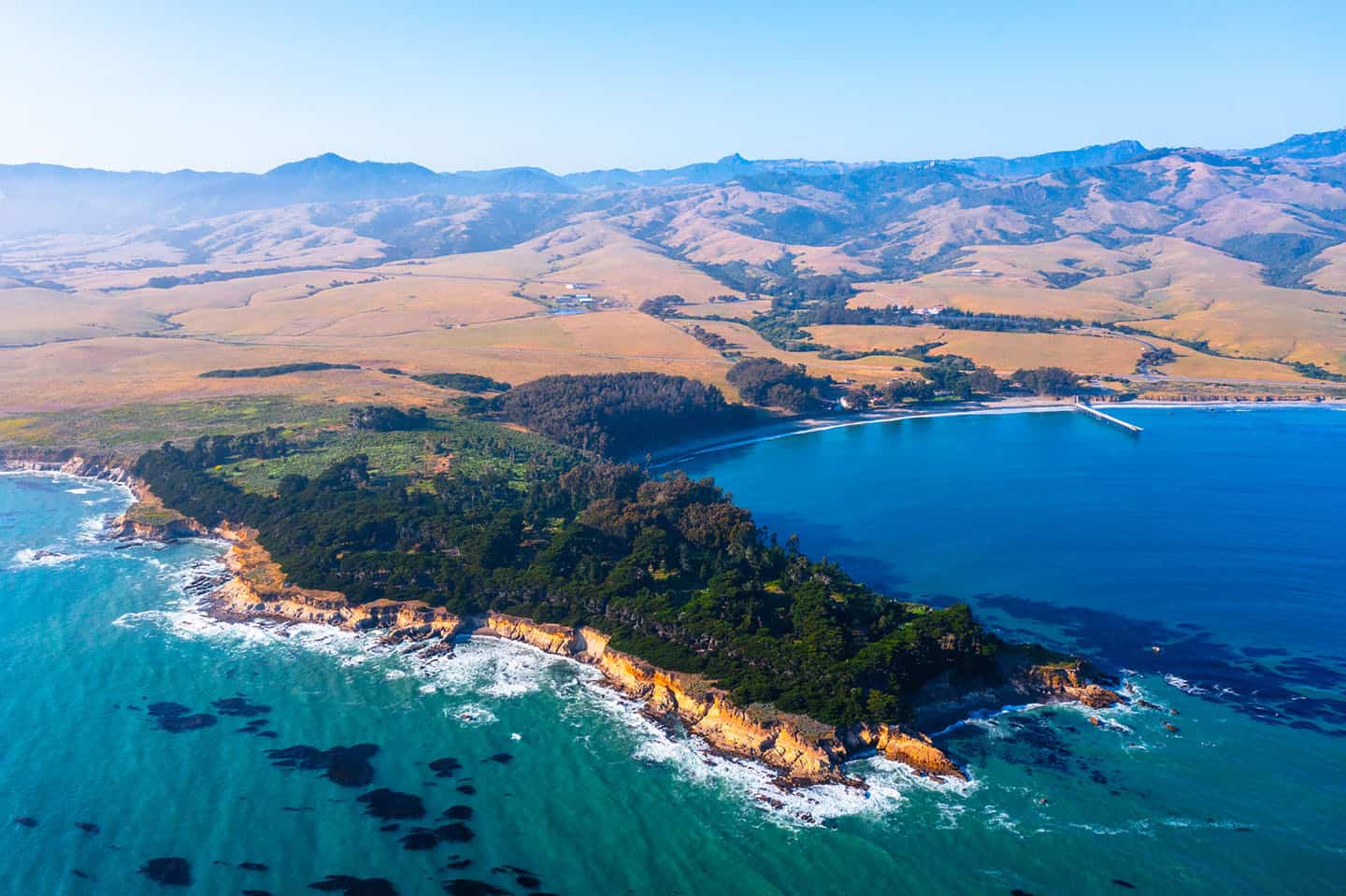
Breathe easy along San Simeon Bay’s protected shore, where an 850-foot historic pier awaits. Walk the wooden planks where pelicans perch between fishing expeditions, watch for sea otters floating in the kelp beds below or settle into a picnic table near the beach as golden hour transforms the bay into brilliant copper tones. The cove stays calm even when offshore swells roll past—perfect for impromptu breaks, whale watching or simply breathing in that salt-tinged air before continuing south to Cambria.
Pro Tips:
- Boardwalks make wildlife viewing easy; but do keep distance from animals
- Reserve Hearst Castle early in peak seasons
- Layer for wind; check tides for cove and point walks
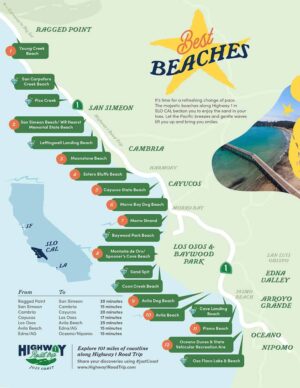
Cambria to Cayucos: Beaches and Small-Town Vibes
Slow down south of San Simeon where the coastal drive leads to quieter beach towns. Cambria and Cayucos deliver that mellow Highway 1 energy you’ve been chasing—less rush, more lingering and plenty of space to spread out and choose-your-own itinerary. Boardwalks replace towering cliffs and gallery browsing fills the afternoon hours between tide pool walks and sunset.
Cambria’s Moonstone Beach Boardwalk and downtown browsing:
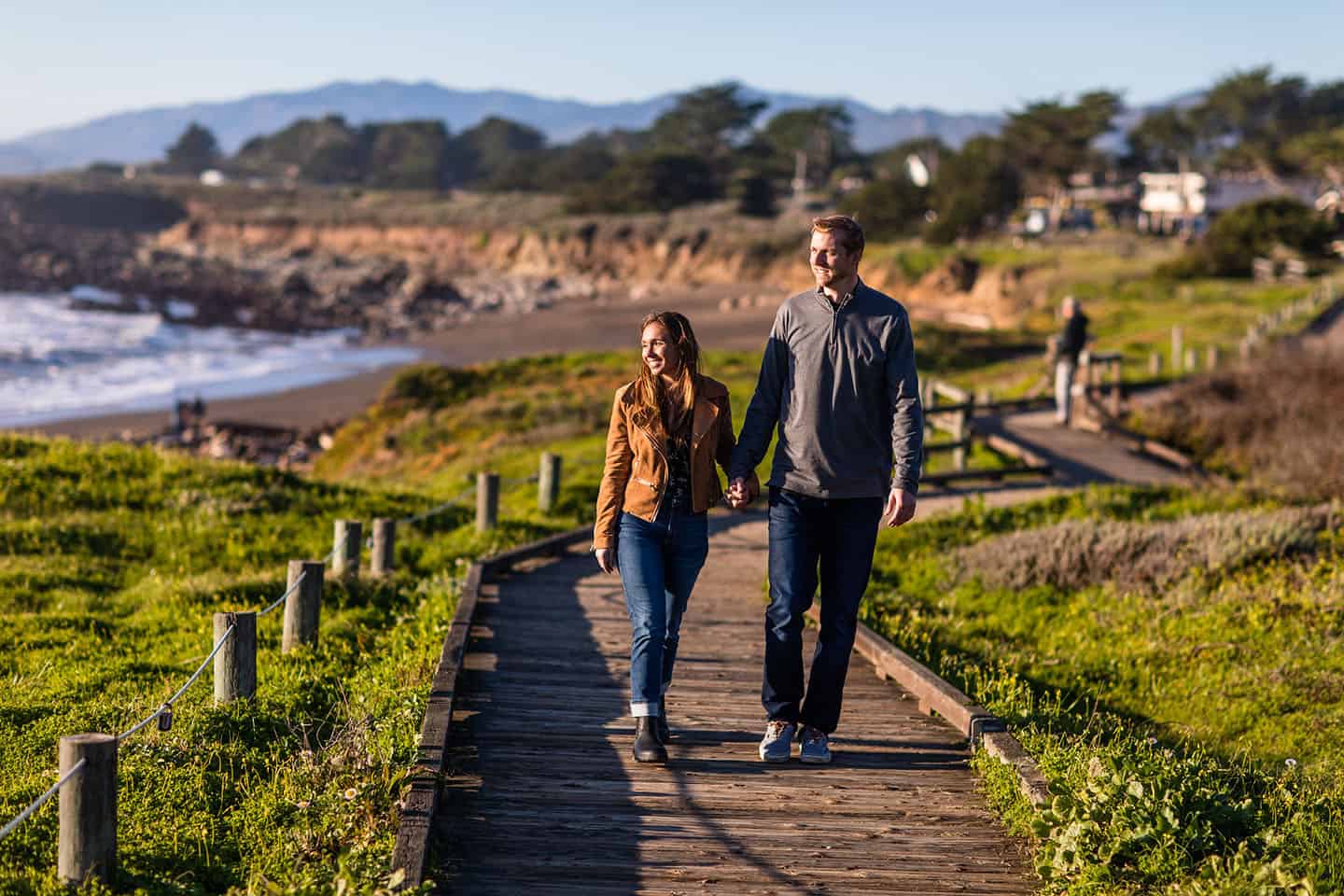
Stroll Moonstone Beach Boardwalk as it winds along the bluffs where moonstones glow like treasure across the sand. Time your visit for low tide when the beach widens and the best finds appear. The boardwalk runs about a mile with benches for sunset watching and stairways leading down for closer exploration. Spring wildflowers add color to the coastal scrub, while winter storms bring powerful waves that crash against offshore rocks in spectacular displays.
Explore downtown Cambria’s East and West Villages for the best things to do in Cambria—galleries showcase local artists working in everything from blown glass to landscape paintings, antique shops overflow with coastal finds and wine-tasting rooms pour Central Coast vintages minus the Napa formality. Park once in either village and wander the blocks. You’ll cover the highlights in an hour or stretch it to a full afternoon if you stop for coffee, browse the shops and settle into that small-town rhythm where nobody rushes.
Cayucos pier walks and casual eats:
Keep it simple in Cayucos with a historic pier stretching into the bay, a sandy beach that stays mellow even on summer weekends and a main street lined with antique shops and casual eateries serving locals and travelers alike. The best things to do in Cayucos don’t require a plan—walk the pier at sunset when the light turns golden and fishing lines cast long shadows across the planks, or claim a picnic table on the beach and watch surfers bob in the lineup.
The town’s energy stays relaxed year-round with fewer crowds than Cambria, easier parking and that unpretentious vibe where flip-flops and sandy feet feel right. This works perfectly as a late-afternoon stop between San Simeon and wherever you’re staying, or as a morning coffee-and-beach-walk start before heading south.
Explore tide pools at low tide along both Cambria’s rocky stretches and Cayucos’ north end, where urchins nestle in shadowy niches and colorful sea stars cling to wet rocks. Time your beach walks with the tide charts, wear closed-toe shoes with good grip and watch for surprise waves that surge beyond normal surf lines. Evening transforms both towns into prime sunset destinations—Moonstone Beach reveals sweeping clifftop views, while Cayucos offers that classic California pier-at-sunset silhouette.
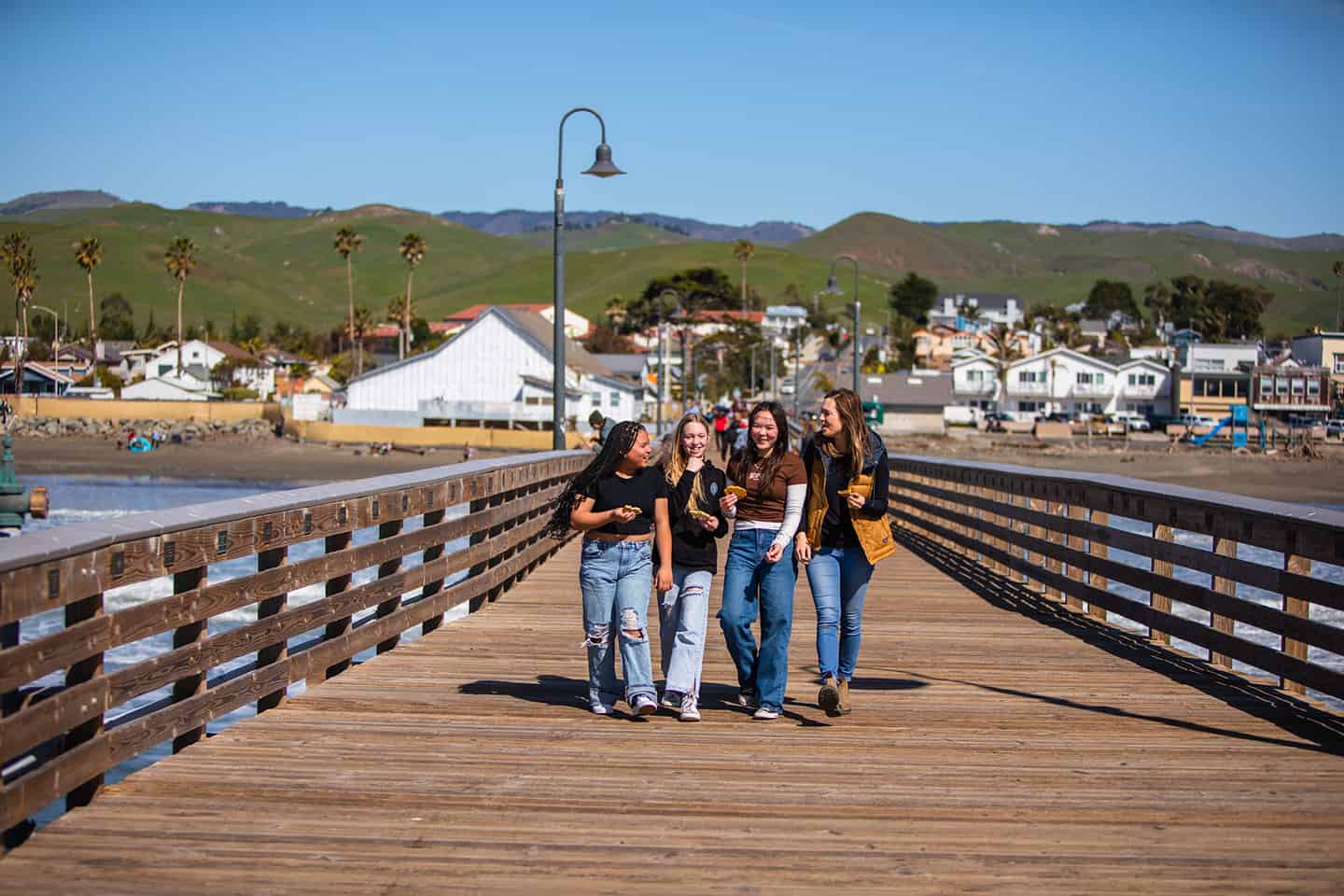
Where to Eat and Drink in Cambria
Make Cambria your dining hub south of Big Sur, whether you’re rolling in from Monterey after Big Sur’s coastal vistas or arriving from Los Angeles after a day exploring Hearst Castle and Moonstone Beach. The town’s compact Villages pack more restaurant variety per block than anywhere else on this stretch of Highway 1, making it the stress-free detour-to-dine spot along your route. The best restaurants in Cambria range from coffee and bakeries for early starts to casual lunch spots near the boardwalk, date-night dining worth dressing up for and kid-friendly menus that don’t make parents cringe.
Monterey to Big Sur to Cambria:
Spend your morning navigating Big Sur’s legendary turnouts and photo stops, then arrive in Cambria for a late lunch or early dinner before checking into your overnight stay. The timing works perfectly—you’ll hit the coast’s best light during the drive, then settle into a relaxed meal without rushing to beat sunset.
Los Angeles to San Simeon/Cambria to Monterey:
Tour Hearst Castle or watch elephant seals in the afternoon, catch sunset at Moonstone Beach, then head into the Villages for dinner before turning in or continuing north. This sequence lets you experience San Simeon’s highlights during optimal hours, then dine when Cambria’s restaurants hit their stride.
Split your hours between Moonstone Beach for sunset views and the Villages for dinner and boutique browsing. Park once in East or West Village and explore Main Street—the blocks connect easily on foot, revealing hidden courtyards, wine-tasting rooms and galleries tucked between the restaurants.
Weekends and holidays fill up fast, especially during summer and shoulder seasons when Highway 1 traffic peaks. Book dinner tables in advance or shift to a late lunch when the noon rush clears. Many kitchens close earlier midweek—some as early as 8pm—so check hours if you’re arriving late or planning a leisurely evening meal.
Pro Tips:
- Park once in East or West Village and walk Main Street; return for sunset on Moonstone Beach Drive
- Weekends and holidays fill up fast—reserve dinner or shift to a late lunch
- Many kitchens close earlier midweek; check hours if arriving after 8pm
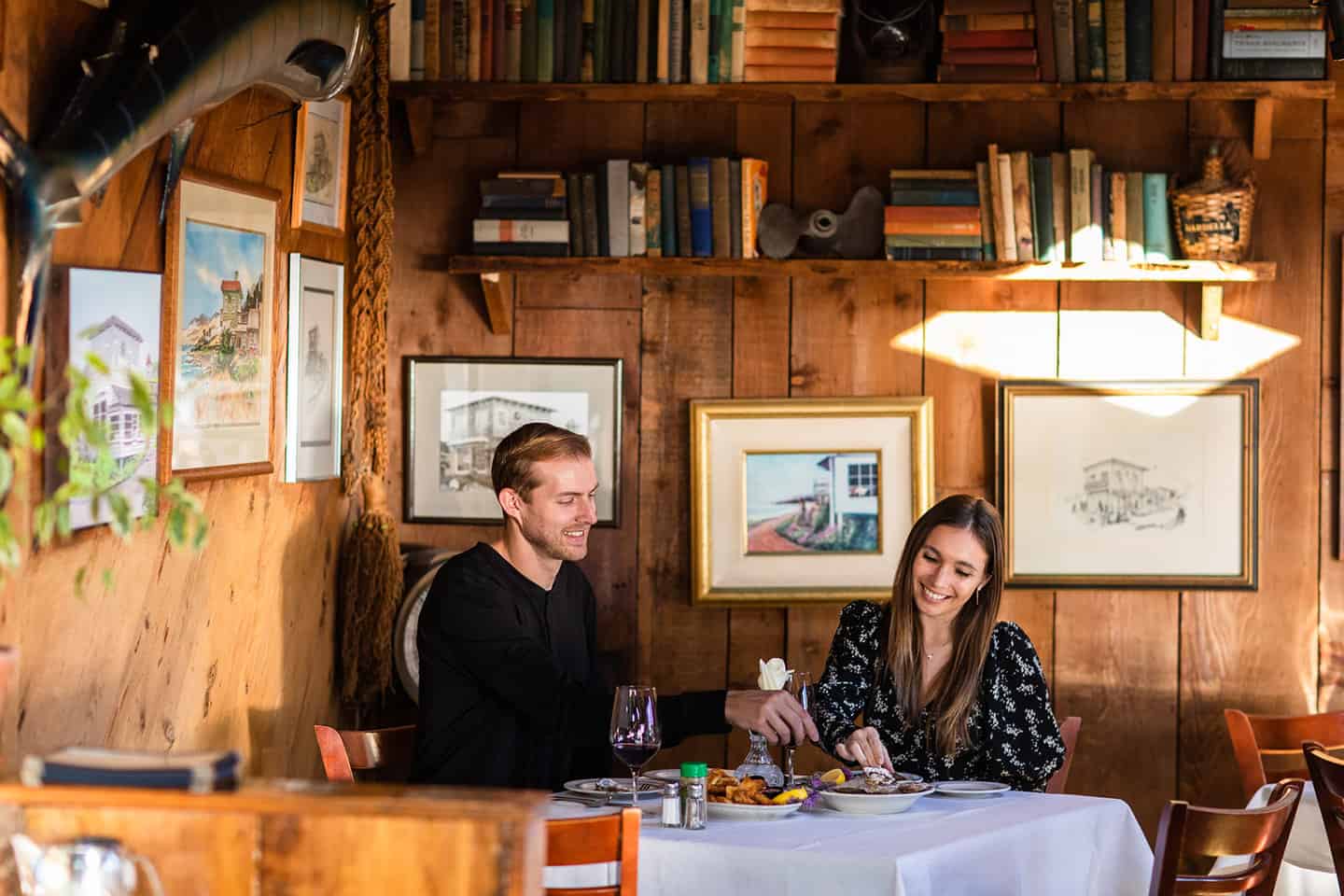
Where to Stay South of Big Sur
The best places to stay along Highway 1 south of Big Sur offer something travelers love—easier parking, laid-back access to sunrise and sunset viewpoints and that relaxed energy where you walk to dinner instead of driving winding roads in the dark. Each town offers its own character and proximity to the coast’s headline attractions, so your overnight choice comes down to vibe as much as logistics.
Ragged Point:
Perched on the cliffs at Big Sur’s southern gateway, Ragged Point delivers panoramic ocean views visible from your room and easy access to both Big Sur’s highlights to the north and San Simeon’s attractions to the south. You’ll trade town amenities for clifftop isolation and on-site dining, but the sunrise views and waterfall walks make up for the limited nearby options.
San Simeon:
A handful of motels and inns cluster near the pier and Hearst Castle entrance, offering the shortest possible commute to castle tours, the Elephant Seal Rookery and Piedras Blancas Light Station. This works best for travelers prioritizing San Simeon’s icons over nightlife or restaurant variety—you’ll find basic restaurants and a general store, but the real appeal is proximity to morning wildlife viewing and first-entry castle tours.
Cambria:
The broadest lodging mix south of Big Sur spans some of the best beach hotels on Highway 1 along Moonstone Beach Drive, boutique inns tucked into the pine-covered hills and budget-friendly motels near the Villages. Cambria offers the best balance of coastal access, dining variety and walkable downtown browsing. Moonstone Beach properties put you steps from sunset boardwalk strolls, while Village-adjacent stays let you walk to dinner and galleries without moving your car.

Cayucos:
Small motels and vacation rentals line the beachfront and side streets, offering that classic California beach-town simplicity where you can hear the waves from your room and walk to the pier in flip-flops. Cayucos works for travelers who prioritize mellow beach time over extensive restaurant or shopping options—what you lose in variety you gain in uncomplicated coastal living.
Avila Beach:
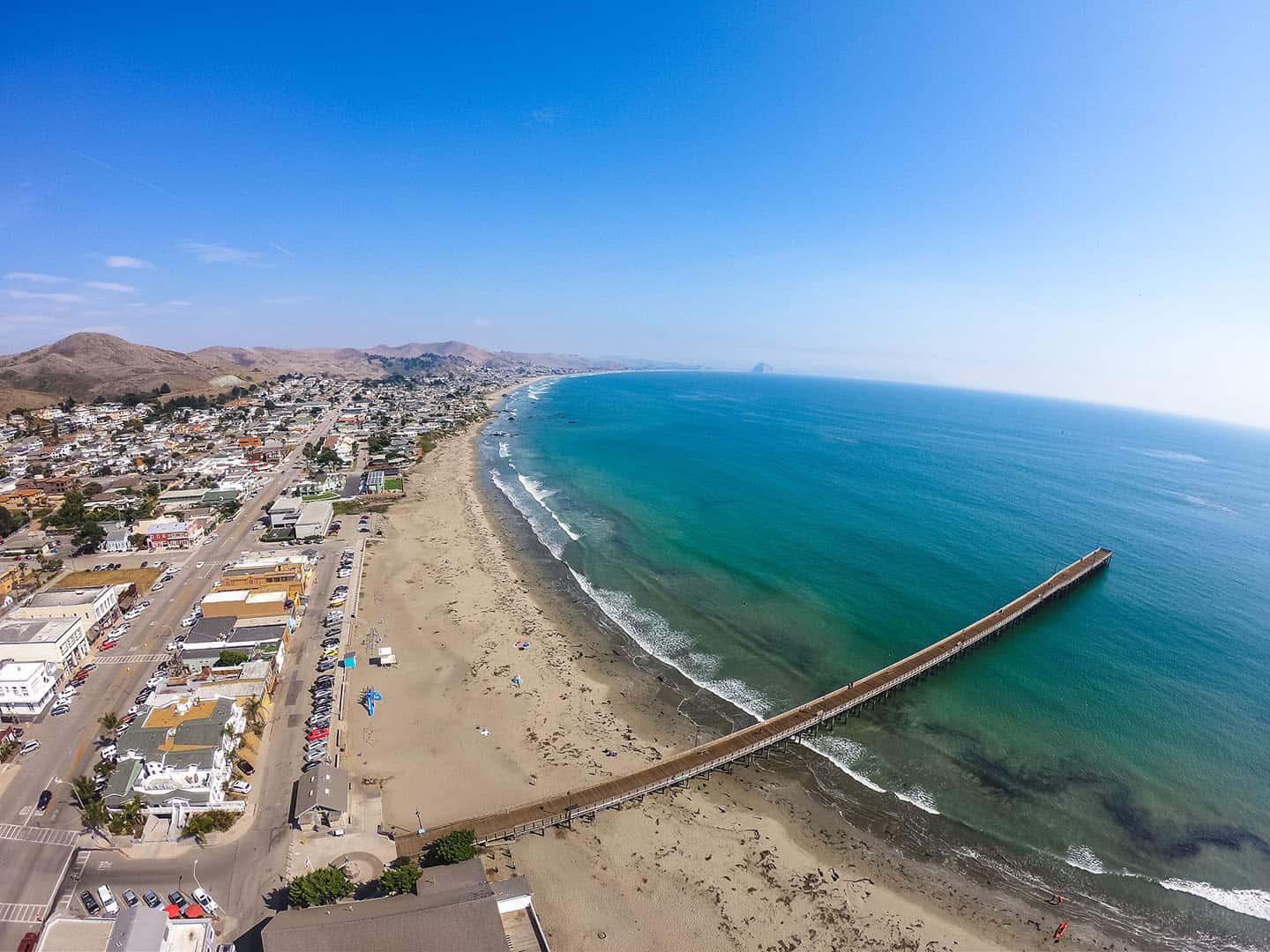
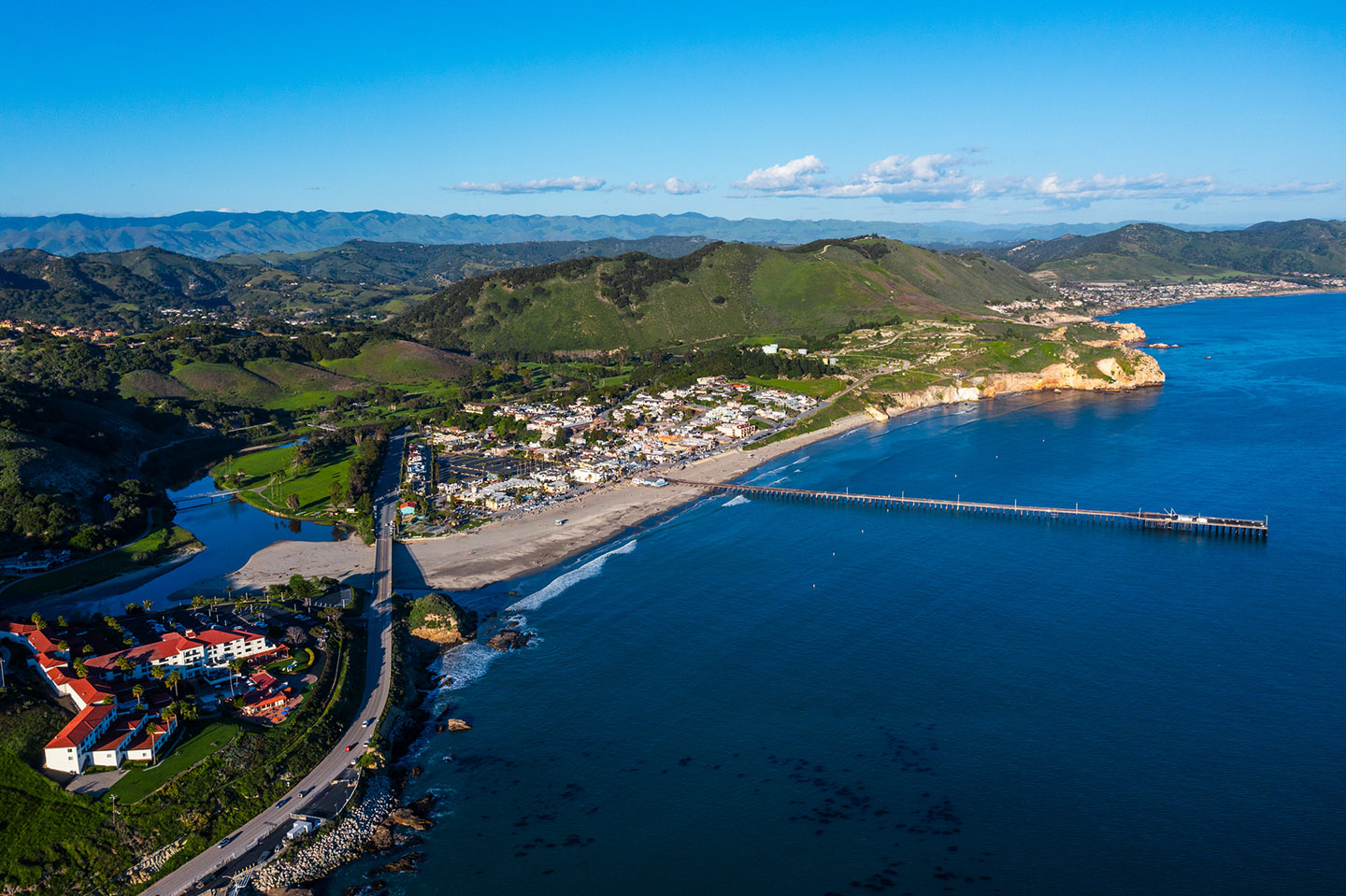
Farther south but still Highway 1-adjacent, Avila Beach offers warmer water, a protected bay and family-friendly beach access that works well for travelers extending their road trip or approaching from Los Angeles. The town stays relaxed year-round with walkable restaurants, a pier and tide pools at low tide—perfect for winding down after days of dramatic coastal driving.
Shoulder seasons bring easier reservations and lower rates across all these towns, especially midweek when summer and holiday crowds thin out. Book ahead for summer weekends and major holidays, but midweek spring and fall often reveal last-minute availability and better value.
Build Your Itinerary
Mix and match these modular day plans based on your time and interests:
1 Day:
Start with the Monterey Bay Aquarium in the morning, stroll Cannery Row at midday, continue to Old Fisherman’s Wharf for a late lunch or early dinner, then finish with sunset along the Pacific Grove shoreline. Park once and walk the Coastal Recreation Trail to connect all the highlights without the hassle of moving your car.
2–3 Days:
Add Point Lobos on your second morning for coastal hiking and wildlife viewing, then drive south in the afternoon for Ragged Point vistas and your first taste of Big Sur’s dramatic scenery. Spend day three exploring San Simeon’s icons—Hearst Castle, the Elephant Seal Rookery and Piedras Blancas Light Station—before continuing south or returning to Monterey.
4–5+ Days:
Expand into Cambria and Cayucos for tide pool exploration, boardwalk sunsets and small-town gallery browsing. Add winery tasting in the Paso Robles area if you’re wine-curious, or squeeze in extra beach time and short coastal hikes. This pace lets you linger without rushing, experiencing both Monterey’s energy and the south coast’s mellow rhythm.

Is Highway 1 Open Between Big Sur and Ragged Point?
Highway 1’s coastal segment between Big Sur and Ragged Point closes periodically due to storms, landslides and construction—sometimes for weeks or months at a time. Check current road status before committing to this stretch, as conditions change seasonally and after major weather events.
If the coastal segment is closed, two simple alternates keep your road trip on track:
From the Bay Area:
Enjoy Monterey first, then take US-101 south and cut west on CA-46 to Cambria. From there, pick up the south-coast itinerary through San Simeon, Cayucos and beyond. You’ll miss Big Sur’s cliffside drama but still experience the region’s best coastal towns and attractions.
From Los Angeles:
Drive the Highway 1 Discovery Route north through Oceano and Avila Beach to Cambria, explore San Simeon’s highlights, then take CA-46 east to US-101 north to reach Monterey. This route gives you the south coast’s scenery and attractions before connecting inland to complete your journey.
Both alternates work smoothly—you’re trading Big Sur’s iconic views for reliable routing and easier driving conditions.
Resources and Preparation
Set yourself up for a smooth trip with these essentials:
Pro Tips:
- Check Road Closures and Conditions before committing to the Big Sur to Ragged Point segment
- Use tide charts for tide pooling windows and keep a safe distance from waves
- Book peak-season highlights early—Aquarium tickets, Hearst Castle tours and whale-watching trips sell out days or weeks in advance
- Pack layers for wind and fog shifts, sun protection even on overcast days, grippy footwear for coastal trails, water and snacks for stretches between towns

Stewardship Travel for Good
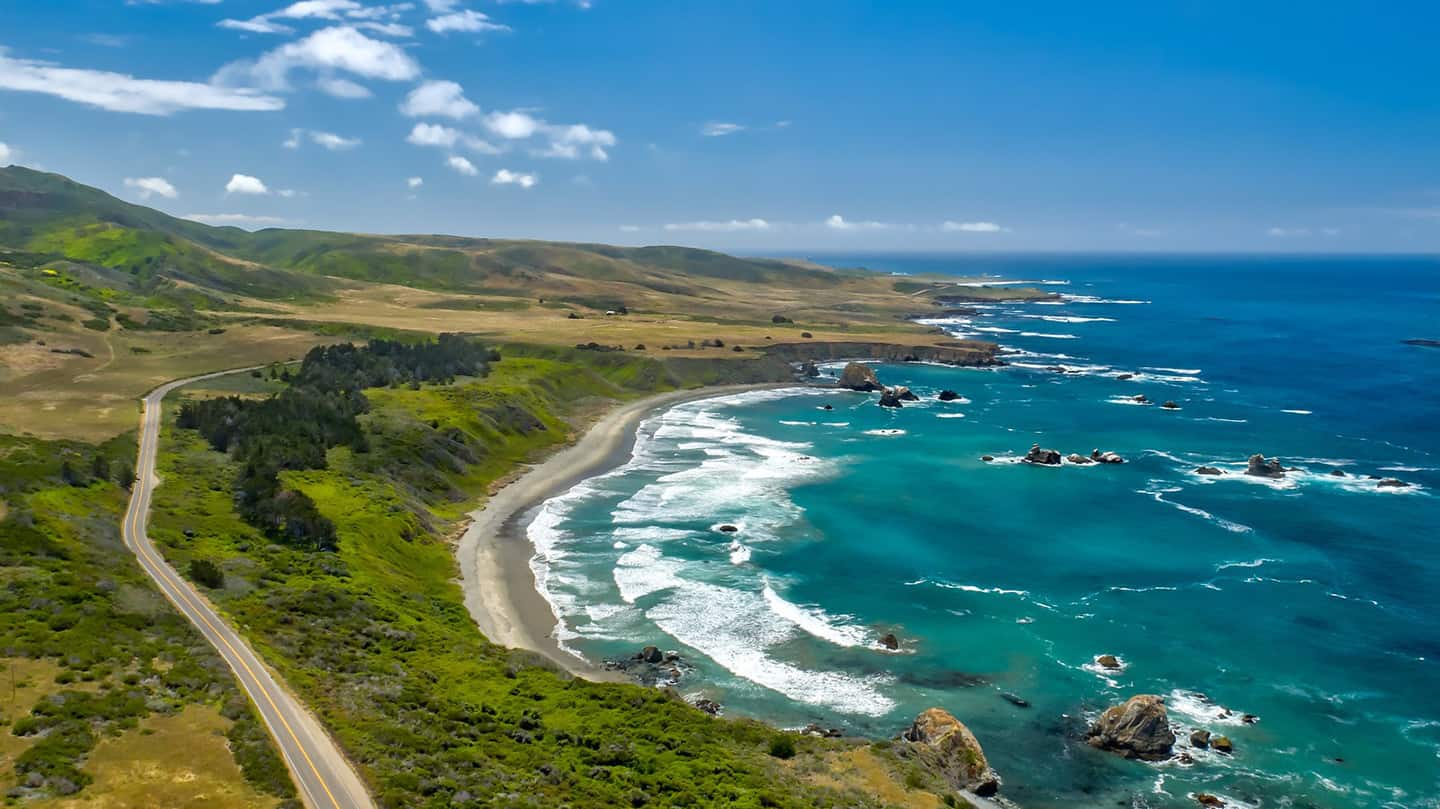
Protect the fragile coastline and wildlife that make this road trip so special. Keep your distance from seals, sea lions and nesting seabirds—use designated viewing areas and boardwalks rather than approaching animals directly. Stay on marked trails and away from bluff edges where erosion threatens both your safety and the landscape’s integrity.
Pack out all trash, including small items like bottle caps and food wrappers that harm marine life. Leave natural items—shells, driftwood, tide pool creatures—undisturbed for the next visitor to discover. Consider a stop at the Coastal Discovery Center in San Simeon to learn about marine protection efforts and how your choices impact the ecosystem.
Responsible travel keeps Highway 1’s coastline pristine for future generations—your small actions multiply across thousands of visitors each year.
FAQ
How should I plan my first day in Monterey without moving the car?
Park once near Cannery Row and walk the day via the Coastal Recreation Trail. Visit the Monterey Bay Aquarium in the morning, stroll Cannery Row at midday, then continue to Old Fisherman’s Wharf for an early dinner. If you have energy left, finish with sunset in Pacific Grove.
Where should I park for the Aquarium, Cannery Row and Old Fisherman’s Wharf?
Use an all-day public garage near Cannery Row so you can walk to the Aquarium and along the waterfront. If you prefer to start at the Wharf, choose one of the waterfront lots there and walk the trail to Cannery Row and back. In peak seasons, arrive early for the best chance at close-in spots.
How much time should I budget for the Monterey highlights?
Plan 2–3 hours for the Aquarium, 60–90 minutes to walk Cannery Row without a sit-down meal and 45–90 minutes at Old Fisherman’s Wharf. If you add a harbor cruise or whale-watching check-in, give yourself at least 2 extra hours.
What Aquarium exhibits are best for first-timers, and how do crowds work?
Make sure you see the Kelp Forest, Open Sea, Sea Otters and the deep-sea gallery Into the Deep. Advance timed-entry tickets are standard, which smooths arrivals, but weekends and holidays still feel busier. Weekday mornings typically feel calmest. Plan a nearby lunch so you don’t have to re-park mid-day.
Can I do the Aquarium and Point Lobos on the same day?
Yes. Book a morning Aquarium entry, eat nearby, then drive to Point Lobos for late-afternoon loops when parking turnover improves. Budget 2–3 hours inside Point Lobos and stick to signed trails.
What are easy walks or bike routes in Monterey for a relaxed day?
Follow the Coastal Recreation Trail that links Old Fisherman’s Wharf, Cannery Row, the Aquarium and Pacific Grove. It’s mostly flat, scenic and ideal for a park-once day. Time your return for golden hour along the Pacific Grove waterfront.
Where can I reliably see wildlife from shore without a tour?
From Old Fisherman’s Wharf and along the trail you can often spot sea lions, harbor seals and sea otters from the piers and railings. For a guaranteed wildlife moment south of Big Sur, add the Elephant Seal Rookery in San Simeon to your itinerary for safe, boardwalk viewing.
When is Monterey busiest, and how do I avoid crowds?
Summer, holidays and weekends draw the biggest crowds. Aim for weekday mornings or shoulder seasons. Book marquee experiences in advance and consider an early dinner to avoid the peak dinner rush along the waterfront.
How many days do I need for Monterey plus the coast south of Big Sur?
One full day covers the Aquarium, Cannery Row and the Wharf. Add a second day for Point Lobos and Pacific Grove. With 3–5 days, continue south for Ragged Point vistas, Hearst Castle, the Elephant Seal Rookery, Piedras Blancas Light Station, Moonstone Beach in Cambria and time for tide pools.
Is Highway 1 open between Big Sur and Ragged Point, and what if it’s not?
Check status before committing to the coastal segment. If it’s closed, the workaround is simple. From the Bay Area, take US-101 and cut over on CA-46 West to Cambria to continue south-coast plans. From Los Angeles, enjoy San Simeon and Cambria first, then use CA-46 West to US-101 north to reach Monterey.
Do I need to book whale watching in advance, and when is the best season?
Yes, advance booking is smart on weekends and holidays. Monterey sees whales year-round, but species change with the seasons. Winters bring gray whale migrations. Spring through fall often features humpbacks and, in some years, blue whales. Plan for 3–4 hours on the water and dress warm.
What should I pack for Monterey and the drive south?
Layers for wind and fog, grippy shoes for coastal trails, sun protection even on foggy days, water and snacks between towns and a light windbreaker. If you plan tide pools or pier time, add closed-toe footwear with good traction.
Are there accessible options at the Aquarium and Hearst Castle?
Yes. The Aquarium offers accessible entries, exhibits and services. Hearst Castle also offers an accessible tour option that follows a route designed for mobility needs. Reserve ahead, especially in peak seasons, and confirm current details when booking.