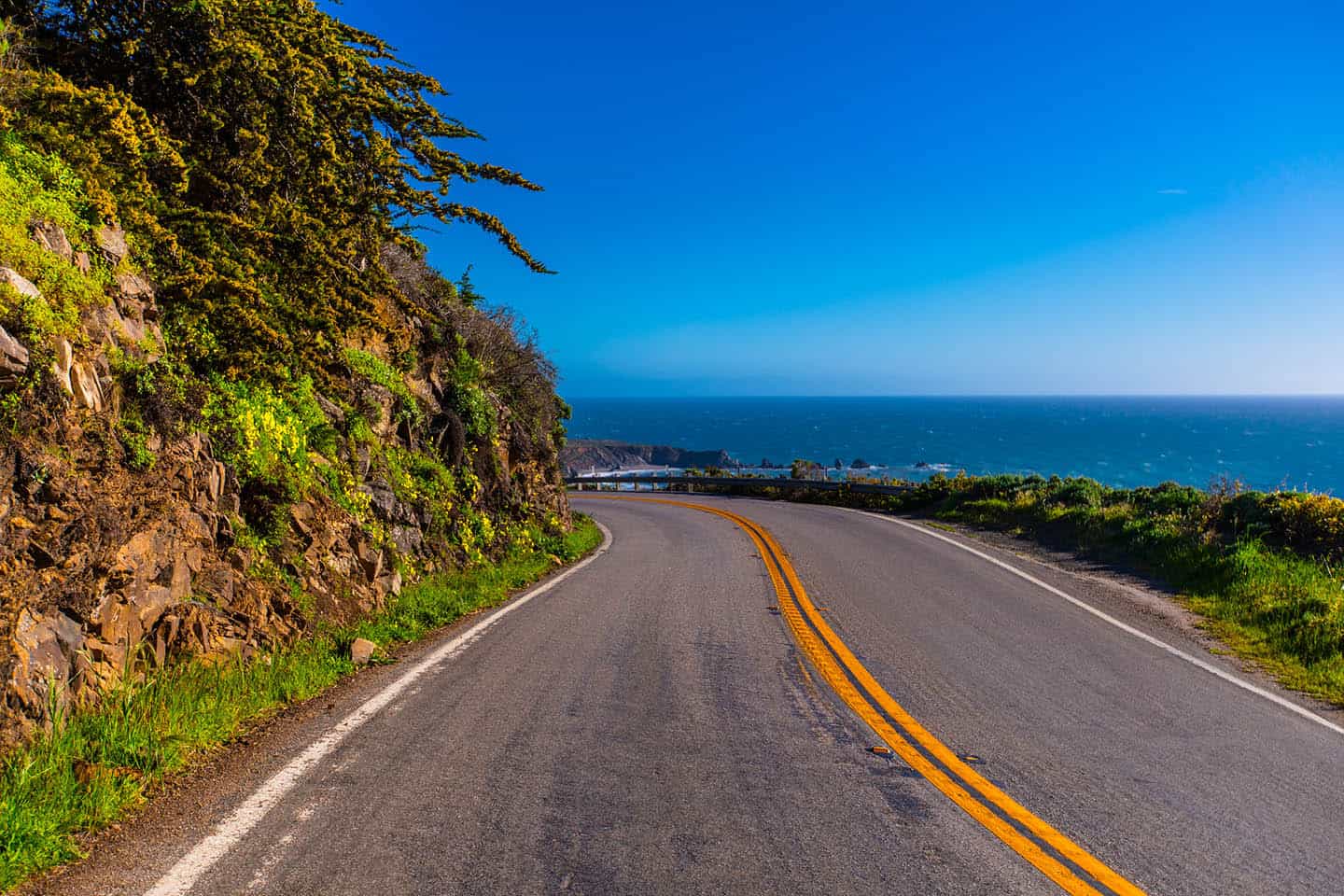


Santa Barbara rewards wanderers who look beyond the postcard. Where the Santa Ynez Mountains meet the Pacific, Spanish-style architecture and harbor views may draw the crowds—but there’s more waiting just beneath the surface. Slow down and you’ll find a community that moves at your pace: beach strolls at dawn, coastal wines swirling in your glass, sunset tables where the day’s catch arrives fresh from the sea.
This guide cuts through the noise with local-first info on the best things to do in Santa Barbara—from beaches and waterfront walks to downtown shops and canyon hikes just minutes from the sand. We’ve built in the practical details so you can explore freely: parking strategies that save you circling blocks, timing windows that dodge weekend crowds and Pro Tips that help you move through Santa Barbara like a true local.
Use the table of contents below to jump straight to what calls to you. Then follow your curiosity north when you’re ready to trade Santa Barbara’s rhythm for Highway 1’s quieter coastal towns—where parking is easier, trails stretch farther and that Central Coast magic unfolds without the hustle
Santa Barbara Waterfront & Harbor
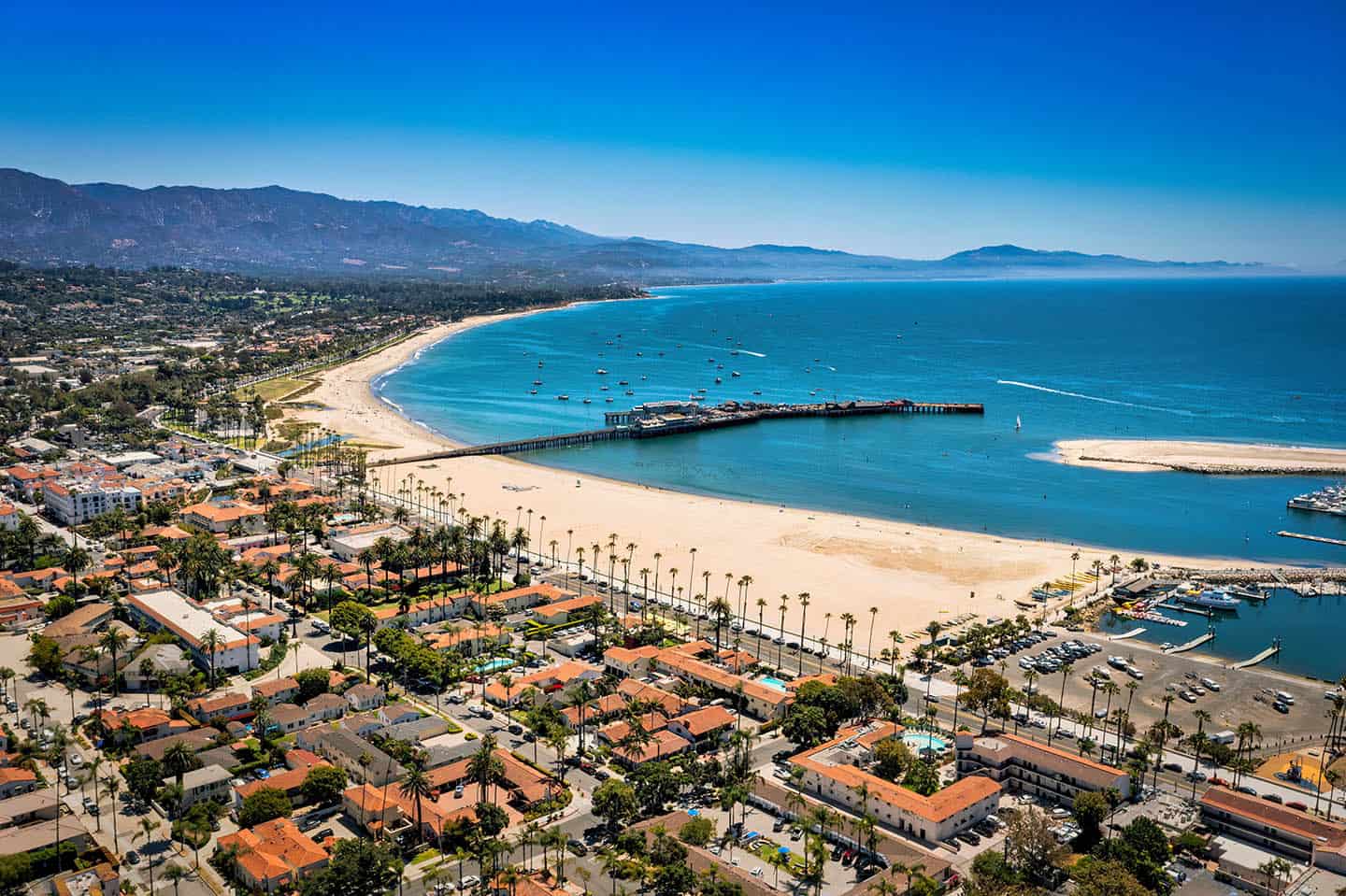
Views, boats and easy waterfront strolls combine in one walkable stretch where parking once unlocks the entire harbor-to-wharf loop. This is Santa Barbara’s anchor experience—the low-effort, high-reward move that first-timers should claim before anything else. The payoff comes without planning stress, and everything connects on foot once you arrive.
Best Way to Experience the Waterfront Without Moving the Car
Park once near the harbor and let the day unfold on foot—this is the best way to experience the best Santa Barbara Waterfront + Harbor attractions. The harbor promenade curves past sailboats swaying in their slips, working docks where pelicans patrol the water and floating platforms where sea lions haul out to bark at passing boats. From here, the path flows naturally toward Stearns Wharf and the beach trail along Cabrillo Boulevard, creating an easy loop with ocean views, casual snacks and zero re-parking stress.
Harbor Stroll Highlights
The harbor itself holds that classic California coastal energy—constant breeze cutting across the water even on warm days, masts clicking in the wind and charter boats motoring out for whale-watching runs or sunset cruises. Photo opportunities stack up fast: harbor masts framed against the Santa Ynez Mountains, views back toward Stearns Wharf from the beach path and sunset angles that stretch the coastline in both directions. Sea lion sightings vary by day and season, but when they’re around you’ll hear the barking before you spot them lounging near pilings or docks. Walk from the harbor to the wharf, grab something easy and delicious—coffee, fish tacos, ice cream—then eat on a bench facing the water while boats drift past and shorebirds work the tideline.
Timing Tips
Timing shapes the experience more than most visitors realize. Weekday mornings bring that locals-out-for-a-stroll calm with easier parking and quieter paths, while golden hour bathes the water and mountains in warm light—perfect for ending your harbor walk on Stearns Wharf as the sky shifts through amber shades. Weekend mid-days feel busiest around the wharf and along Cabrillo Boulevard, so arrive before late morning or shift to late afternoon when day-trippers clear out.
Pro Tips
- Park once in the harbor area and commit to walking to the wharf instead of hunting for closer spots that vanish by mid-morning.
- Budget 90 minutes before sunset for a harbor-to-wharf walk that catches the light shift.
- Bring a light wind layer even if the forecast says warm—the breeze off the water cuts through lighter clothing faster than you expect, especially late afternoon and evenings.
- The flat, paved path accommodates strollers and makes the route accessible for families with young kids or anyone preferring easy terrain.
Best Beaches in Santa Barbara
Santa Barbara’s beaches are your oyster, each one offering its own vibe. Choose the right stretch and the day unfolds easily—whether that means long sunset walks or calm water with playgrounds close by. Keep an eye on the tide charts, too; when the ocean retreats, tucked-away spots reveal tidepools alive with vibrant marine life.
Best for Long Walks & Sunsets
East Beach to Butterfly Beach stretches for miles along wide, flat sand where you can walk as far as your legs allow. The route extends from the harbor area east toward Montecito, creating a simple out-and-back experience that lets you turn around whenever you’re ready. Leadbetter Beach offers another strong option for long walks closer to the harbor with views back toward the wharf and mountains.
Sunset here means warm light washing across the Santa Ynez Mountains rather than the sun dropping into the ocean—the beach faces south, not west, so the best ambiance arrives in late afternoon when golden hour softens and the shoreline quiets down. Arrive 45 to 60 minutes before listed sunset time to catch the full glow as it builds, and bring a light layer since temperatures drop quickly near the water.
Best for Families/Calmer Water
West Beach wins for families who appreciate everything unfolding at one scenic location. The beach sits close to the harbor with a wading pool and beachfront playground that keep younger kids entertained. Plus, wide sand gives you room to spread out your setup, and restrooms plus snack access nearby mean you’re not trekking back to the car constantly.
The water stays calmer here than more exposed beaches, making it easier for wading and tentative swimmers testing the Pacific. Kayak and paddleboard rentals launch from here, and the beach bike path essentially starts at this point, so active families can add simple activities without driving elsewhere. West Beach also pairs naturally with a quick harbor walk or Stearns Wharf visit since everything clusters within easy reach.
Mid-morning to early afternoon brings the warmest temperatures and lightest wind—the sweet spot for families with young kids who feel the cold faster. Pack a change of clothes for anyone using the wading pool, and bring that wind layer for later when the breeze picks up.
Best for Tidepools/Nature
Hendry’s Beach (Arroyo Burro) leans into Santa Barbara’s wilder side. Driftwood lines the sand and tidepools appear when the ocean recedes. Compared to the more polished tourist stretches, this shoreline feels raw and relaxed—ideal for beachcombers, dog walkers and those drawn to a quieter, more natural scene.
Tidepool exploration demands the right timing—aim for low tide, especially negative tides during winter months when the ocean retreats farthest. Check a tide chart before you go, then arrive about an hour before the listed low to watch the water pull back. Step carefully on bare rock rather than living areas, never pry creatures off their holds and leave everything exactly as you found it. California law protects these intertidal zones, and rangers enforce the rules.
Best “Locals” Beach Feel
Mesa Lane Beach carries that tucked-away, local energy, particularly at sunrise. Dogs trot along the bluff path, surfers slip into the lineup and the sand feels almost private before the day unfolds. Leadbetter Beach shares that early calm—morning walkers with coffee in hand staking out quiet stretches before the family beach scene heats up.
For the best light and the least competition, go early. Between 7:30 and 9:30 a.m., beaches feel more local and parking is far simpler. Bring coffee and a wind layer regardless of the forecast—the marine layer tends to hold cool air in place until it clears closer to midday.
Pro Tips
- Bring a light layer for any beach visit—the temperature drops quickly near the water in the evening, and morning marine layer lingers longer than you expect.
- Tidepools reveal the most life around low tide, especially negative tides; check charts before you go and step only on bare rock, never on living areas.
- To catch the sunset at Santa Barbara beaches, arrive 45 to 60 minutes early to behold the full golden-hour glow.
Stearns Wharf & Waterfront Eats
Step onto Stearns Wharf and feel the cool salt air as the planks creak beneath you. An iconic Santa Barbara’s attraction, savor sweeping coastal views and easygoing seafood without the need for reservations or an itinerary.
Wharf Stroll: Views, Casual Seafood, Souvenir Shops
Yes, the wharf embraces its tourist side, with souvenir shops and easy seafood stops lining the boards. But walk farther and the perspective shifts. At the very end, the view stretches wide—mountains rising behind town, beach life unfolding along Cabrillo Boulevard and the Channel Islands hovering on the horizon when the air is clear.
Wildlife Spotting from the Pier
Wildlife sightings shift with the seasons and daily conditions. Sea lions might claim the pilings in a noisy pileup, dolphins may flash through the shallows and in winter and spring, migrating whales rise within binocular range. Lean over the railing to watch the kelp beds for subtle movement, then scan the horizon for the telltale spout of a passing gray. Clear days reward patient observers—especially those with binoculars.
That said, remember to always respect the wildlife around you. Keep your distance, refrain from feeding and move quietly so the animals can carry on undisturbed.
Pairing it with Harbor Walk so it’s One Continuous Experience
The smartest way to experience Santa Barbara’s relaxed coastal charm? Treat Stearns Wharf as part of a continuous waterfront loop rather than a standalone stop. Begin at the Santa Barbara Harbor, stroll the promenade toward the wharf, walk the full length of the pier, then return via the beach path. The full circuit takes about 60 to 90 minutes at an easy pace. Add a meal or extended photo breaks and plan for two to three hours total.
Late afternoon works especially well. Start at the harbor for a relaxed warm-up, then reach the wharf as golden hour builds and the light turns soft and luminous. Midday weekends tend to draw tour groups and day-trippers near the entrance, so aiming for early morning or late afternoon gives you more room to enjoy the show.
Pro Tips
- Pair the wharf with your harbor walk for one continuous waterfront loop—park once at the harbor and walk both without moving your car.
- Late afternoon brings the best light for photos and fewer mid-day crowds clogging the wharf entrance.
- Binoculars enhance wildlife watching from the wharf; scan the water beyond the kelp beds for dolphins, sea lions and seasonal whale activity.

State Street Promenade & Downtown Santa Barbara
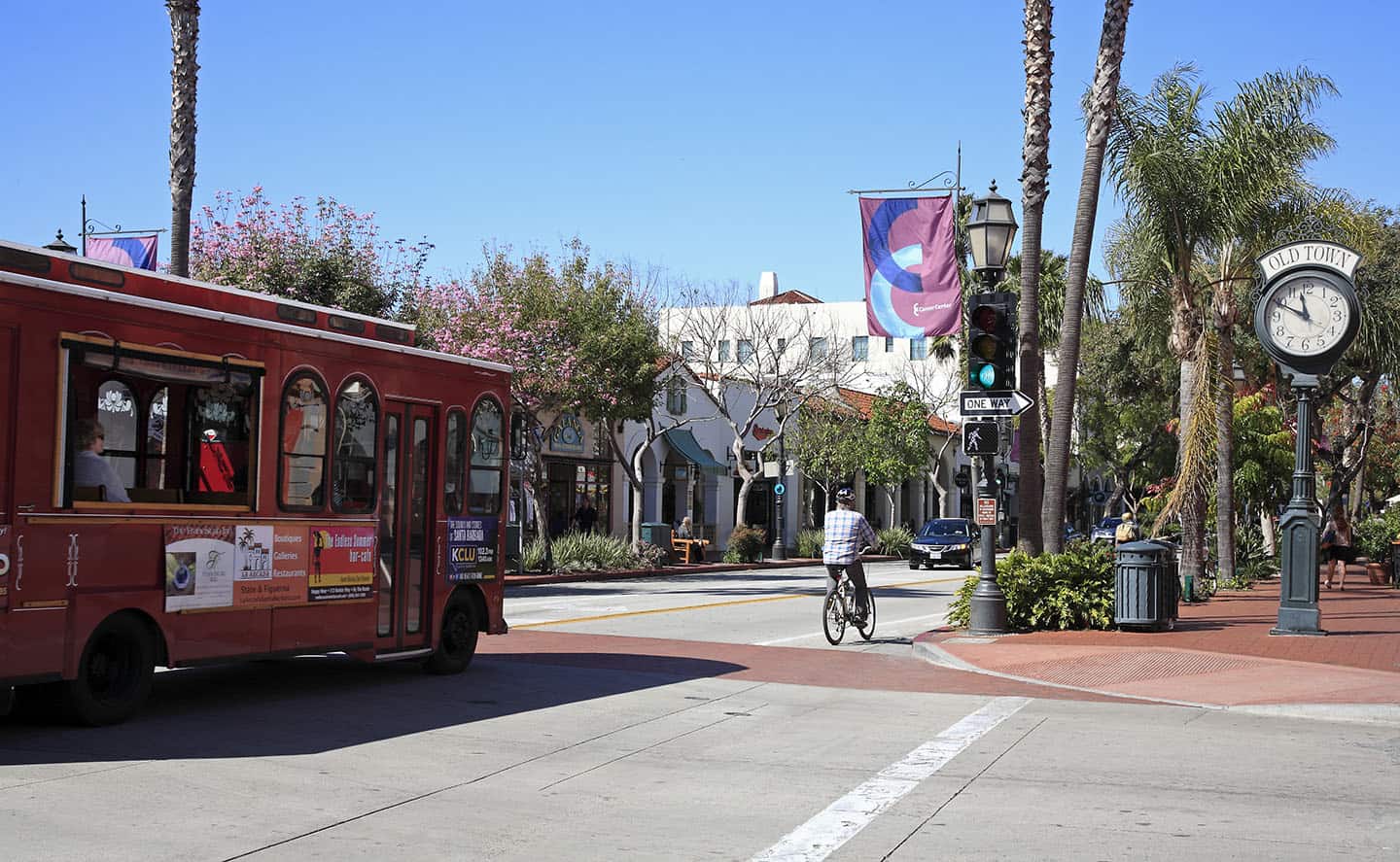
Pedestrian-friendly blocks unfold along State Street, where patio cafés spill onto the sidewalk, street performers draw weekend crowds and that walkable-city energy hums to life. This is where Santa Barbara things to do shift from beach time to browsing—outdoor tables made for people-watching, storefronts showcasing everything from surf gear to boutique fashion and an energy that stays relaxed even as dinnertime approaches.
Where to Start Walking, a Block-by-Block Guide
Begin around mid-State, where the Promenade hums with outdoor dining and storefront energy. It’s lively but not overwhelming—live music filters through on weekends, coffee aromas spill onto the sidewalk and locals linger over long brunches while visitors browse unhurried. Side streets offer a welcome contrast, revealing tucked-away boutiques, galleries and cafés that feel more neighborhood than tourist corridor.
Just a few blocks toward the water, the Funk Zone offers a different rhythm. What were once warehouses now anchor a compact grid of tasting rooms and mural-covered walls. Here, the mood shifts from browsing to lingering, with patios designed for slow sips of local wine and a casually social crowd moving from one stop to the next.
Parking Tips
Parking once in a public structure or central lot makes the most sense—claim a spot, then walk State Street plus a side-street loop without circling for closer spaces that rarely open up. Downtown garages accept cards and offer all-day rates, and you’ll cover more ground on foot than you would driving between spots anyway.
Weekday mornings bring lighter foot traffic and calmer patio seating, while weekends pack the Promenade with families, couples and groups claiming outdoor tables for extended brunches. Late afternoon also works well—shops stay open, tasting rooms hit their stride and you can grab an early dinner before the evening rush.
Other Downtowns to Consider Along Highway 1
If you like the idea of downtown fun but want more breathing room, head north on Highway 1. Avila Beach leans into an easygoing main street scene, Cayucos keeps its surf-town charm intact with antique stores and a mellow pier stroll and Cambria unfolds in storybook-style where galleries and tasting rooms beckon beneath towering pines.
Pro Tips
- Park once in a downtown structure and walk the Promenade plus side streets—you’ll cover more ground without the stress of finding closer spots.
- Weekday mornings feel calmest for browsing; weekends bring fuller sidewalks and longer waits for patio seating.
- The Funk Zone sits walking distance from State Street—budget time to explore both if wine tasting and murals appeal.
The Funk Zone
The Funk Zone lives up to its name. Former fish warehouses now pour local vintages beneath corrugated roofs, and mural-covered walls double as ready-made photo backdrops. Set between State Street and the waterfront, this compact district favors tasting rooms over storefronts—and encourages staying awhile instead of racing through a checklist.
Strolling the Funk Zone on Foot
Wander through the Funk Zone without a rigid plan and you’ll stumble onto the best moments: a tasting room tucked behind a mural-covered courtyard, a patio where winemakers pour their own vintages and chat about coastal growing conditions or a side alley where new street art appears between visits. The warehouse aesthetic stays raw and unpretentious—concrete floors, high ceilings, garage doors rolled open to let the ocean breeze drift through and communal tables that spark conversations among strangers sharing bottles.
Murals, Wine Tasting and Local Shops
Look for larger-than-life portraits, bold geometric patterns stretching across entire building facades and whimsical creatures tucked into unexpected corners. The collection constantly evolves, so even repeat visitors discover something new.
Wine tasting here leans casual. Most rooms welcome walk-ins, though weekends can fill quickly as locals and visitors claim the popular spots. Plan for 45 minutes to an hour per tasting if you’re sampling flights and chatting with staff, and cap your visit at two or three stops to stay sharp enough to appreciate the nuances between pours. Grab light bites from casual eateries throughout the zone, or save your appetite for a full meal once you’ve wrapped up exploring.
Parking Tips
Park once near the Funk Zone entrance—either on the street or in a nearby lot—then explore on foot. The neighborhood spans just a few compact blocks, making it easy to zigzag between tasting rooms and mural-lined walls without backtracking. Late afternoon into early evening brings the sweet spot, when the post-work crowd blends with travelers and patios fill with energy but rarely feel overcrowded.
Pro Tips
- Walk-ins work at most tasting rooms, but weekends fill faster—arrive earlier or visit midweek for a more relaxed experience.
- Pace yourself at 2 to 3 tasting rooms if you want to remember the wines; grab food between stops to stay sharp.
- The Funk Zone sits walking distance from State Street and the waterfront—easy to combine all three in one downtown loop.
Santa Barbara Mission & Spanish-Style History
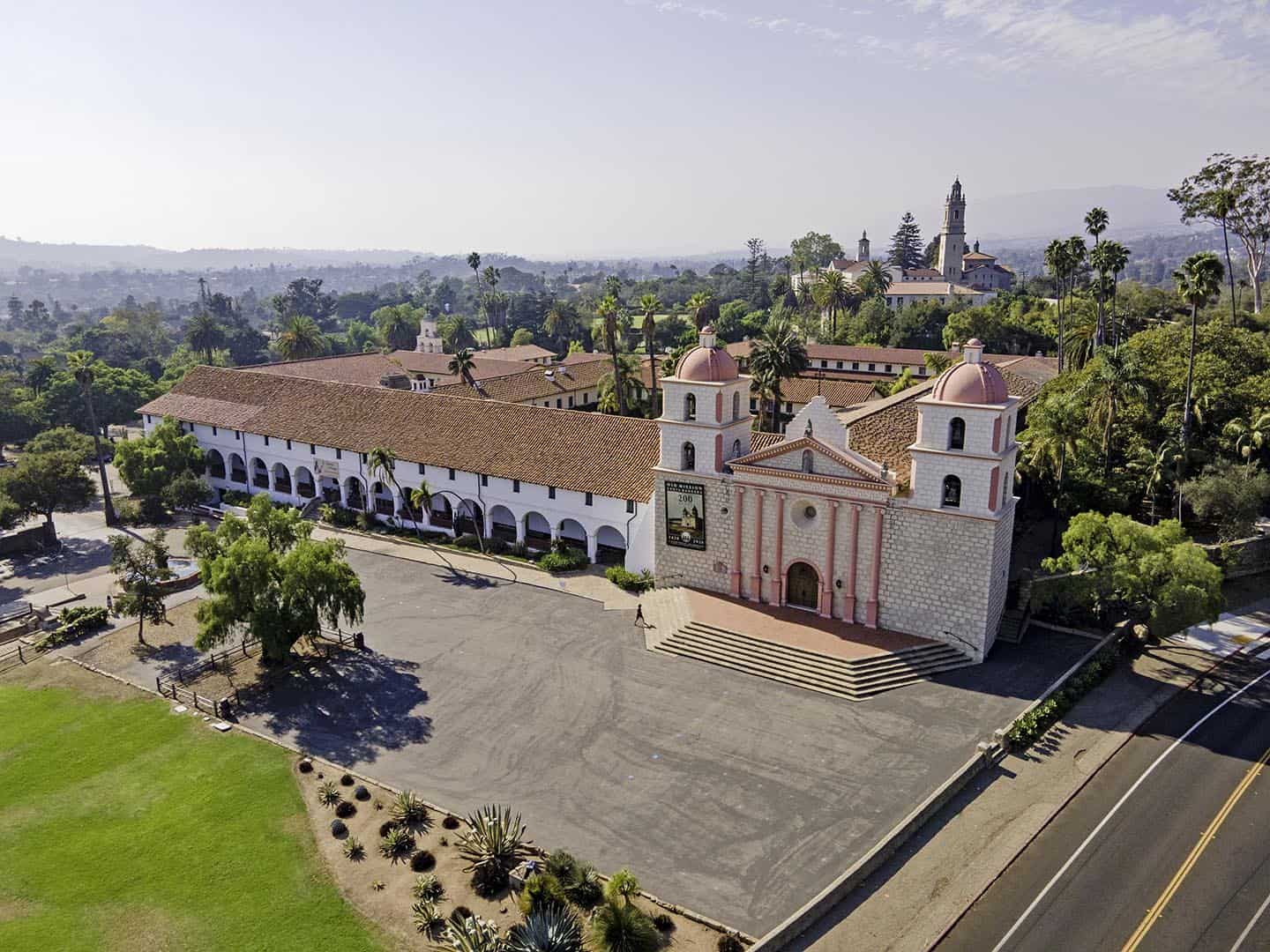
Beyond the gates, Santa Barbara’s Spanish colonial heritage comes into focus: lavender-lined paths, twin bell towers and adobe walls dating back to 1786. The Mission endures as the city’s cultural centerpiece—an active parish shaped by Franciscan leadership, Chumash artistry and the earthquakes that defined its architecture.
What to do at Santa Barbara Mission
Most visitors choose self-guided exploration, purchasing admission at the front before wandering through the church interior, nine-room museum, historic cemetery and fountain courtyard at their own pace. Spend 30 minutes capturing exterior photos and walking the church, or stretch it to 2 hours if the museum exhibits and garden benches call you to slow down and absorb the atmosphere.
Docent-led tours run at scheduled times (generally late morning and early afternoon) for those craving deeper context on Franciscan mission life and the complex history between Spanish colonizers and the indigenous Chumash people who built much of what stands today. These guided walks add layers of understanding that self-guided visitors might miss, especially around the Chumash artwork influences inside the church and the agricultural systems that sustained the mission community.
Architectural Highlights
The twin bell towers command attention from blocks away—the only matching set among California’s 21 missions, rebuilt in 1812 after earthquakes damaged earlier structures. Stand in the forecourt and you’ll notice the Spanish Colonial façade blending neoclassical elements, thick adobe walls designed to flex rather than crumble during tremors and stone buttresses added after those early 1800s quakes taught painful lessons about building in seismically active regions.
Inside the church, Chumash artistic influences appear in decorative elements that reflect the indigenous hands that shaped the mission’s physical structure. Moorish-influenced arches frame views into side chapels, while red tile roofing glows terracotta in afternoon light that defines Santa Barbara’s architectural identity. The church remains an active parish—weekly Mass still takes place, so visitors should move quietly and respectfully through the space where worship continues uninterrupted across generations.
Mission Gardens
Formal lawns and a stunning fountain courtyard create peaceful pockets where you can sit and let the mission’s tranquil atmosphere wash over you. Lavender plantings line walkways while historic olive trees spread gnarled branches overhead—descendants of trees planted by mission inhabitants centuries ago that still produce olives each fall.
Across the way, the free A.C. Postel Memorial Rose Garden extends the experience with thousands of rose bushes blooming in fragrant waves from spring through fall. The garden’s lawns and benches make it popular for photography, picnics and quiet moments between mission touring and downtown exploring. Spring brings peak bloom when roses burst in every shade while the Santa Ynez Mountains rise green and dramatic behind the mission complex.
Timing Your Visit for the Best Experience
Morning arrivals between 9:30 and 11 a.m. bring lighter crowds and softer light for photography—the sun hits the façade at an angle that reveals architectural details without harsh shadows. Weekdays feel quieter than weekends when tour groups and local families both converge on the mission grounds. If your schedule only allows weekend visiting, aim for opening time or late afternoon when mid-day crowds thin and the gardens take on that golden-hour glow.
Budget at least an hour for a standard visit covering the church, museum rooms, cemetery and gardens. Add another hour if you’re joining a docent tour or want extended time reading exhibits and sitting in the gardens. Short on time? Prioritize the church interior, exterior twin towers and garden courtyard—you can skip the museum rooms and still walk away with a solid sense of the mission’s beauty and historical significance.
Pro Tips
- Free parking lot on site fills on weekends; arrive early or use nearby street parking and the Rose Garden overflow lot.
- Admission runs around $17 for adults, less for seniors and youth—always confirm current pricing before your visit.
- Spring brings peak rose blooms across the street; pair mission touring with a rose garden stroll for the full experience.
Gardens & Scenic Viewpoints
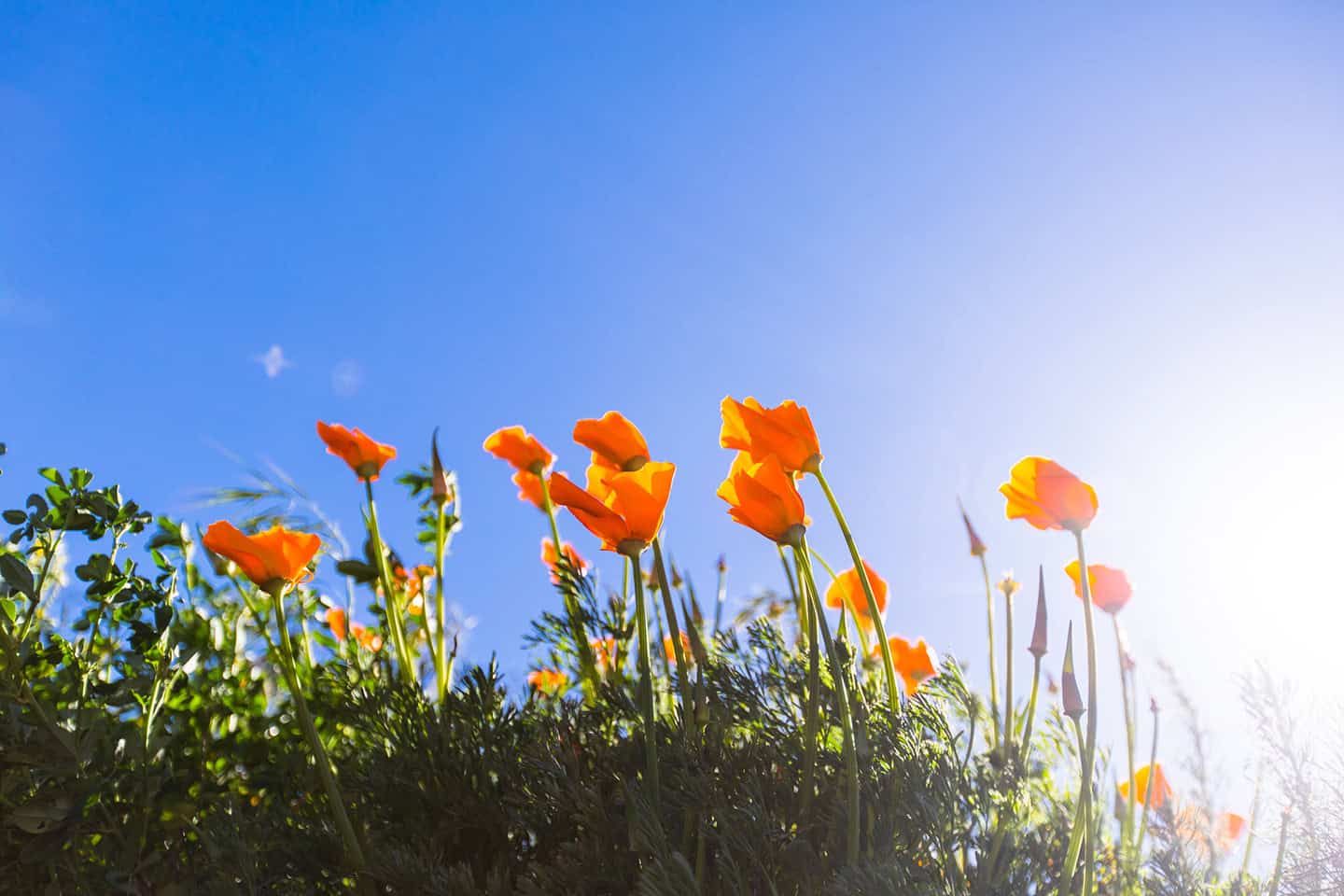
Trade beach time for botanical calm, where California’s native landscapes unfold along hillside trails and roses bloom against mission backdrops. These aren’t manicured city parks—they’re living landscapes where you can stretch out on the grass with views that’ll make you forget you’re just minutes from downtown Santa Barbara.
Santa Barbara Botanic Garden (Mission Canyon)
Spread across 78 acres in Mission Canyon, California’s native landscapes reveal themselves along six miles of interconnected trails. One moment you’re in a redwood grove, the next crossing into desert plantings or shaded oak woodland. Rather than manicured beds, this space feels immersive—a curated sweep of ecosystems that lets you experience the state’s diversity in a single walk. It’s a refreshing alternative when you’re craving nature but ready to trade sand for quiet contemplation.
Botanic Garden Tours and Tips
Most visitors explore the gardens self-guided, following trail maps through themed sections at whatever pace suits them. Start in the Meadow with its seasonal wildflower blooms and pond reflections, then push deeper into the Canyon where oaks and sycamores create shaded corridors. The Redwood Grove brings that cathedral-quiet feeling under towering coast redwoods, while Desert sections shift the tone entirely with drought-adapted succulents and stark beauty that feels worlds away from coastal fog.
Garden Highlights
The Ceremonial Teahouse and its surrounding Japanese garden create a serene oasis within the broader native landscape. Traditional tea ceremonies are offered by reservation, but the garden itself welcomes all visitors seeking a quiet pause. Bird-watchers should bring binoculars to spot native species moving through the habitats, while pollinators work the blooms year-round—making this space both a botanical showcase and a living ecosystem.
Docent-led tours add depth for visitors craving expert context on plant adaptations, garden design philosophy and conservation work happening behind the scenes. These private tours require advance reservation but fit groups or anyone wanting guided interpretation rather than independent wandering. Seasonal classes and workshops cover everything from horticulture techniques to California ecology.
Timing, Reservations and Parking
Budget at least 90 minutes to two hours for a standard visit covering multiple ecosystems. Quick visitors can loop through one or two sections near the entrance in 30 to 45 minutes, but the Garden invites slower exploration—bring water, wear sturdy shoes for uneven trails and plan for sun exposure since many areas lack shade. Dogs are welcome on leash, making this a solid option for travelers who can’t leave their pups behind.
Pro Tips
- Reservations are recommended—parking is limited and included with your timed entry ticket.
- The Garden opens at 10 a.m. daily (members get early 9 a.m. access)
- Morning light brings the best conditions for photography and bird activity before afternoon heat builds.
Mission Rose Garden (A.C. Postel Memorial Rose Garden)
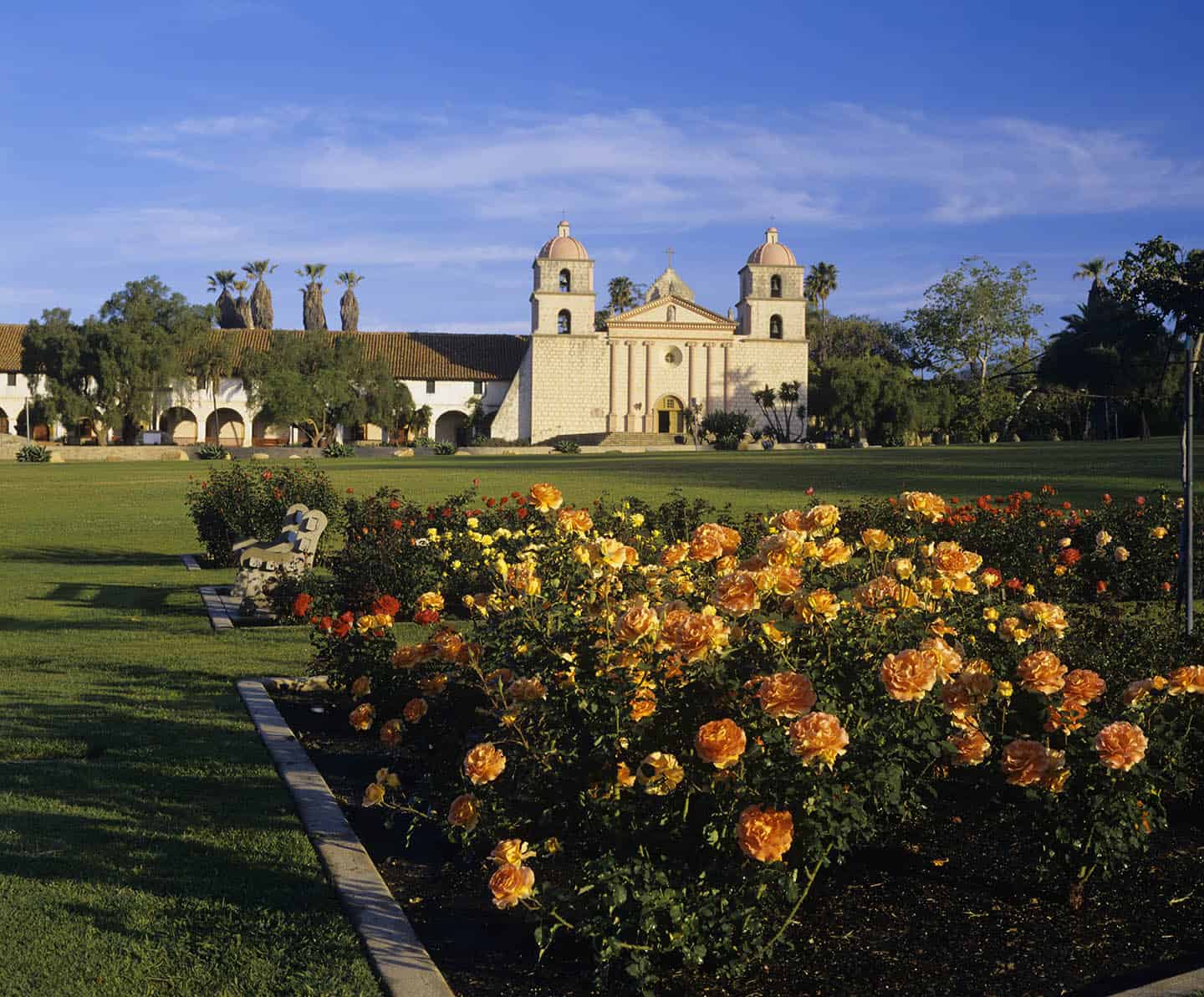
Over 1,500 rose bushes spill across softly contoured beds, with open lawns stretching toward the Santa Barbara Mission’s twin towers. Set within Mission Historical Park and free to enter, the garden offers that classic Mediterranean atmosphere without reservations or tickets. Arrive, follow the scent of roses and claim a sunny patch of grass when the setting convinces you to stay awhile. The flat terrain keeps it accessible and ideal for slow, unhurried wandering.
Visitors often treat it as an add-on to Mission sightseeing, but it stands on its own for anyone craving outdoor time without crowds or elevation gain. Walk the beds, picnic on the lawn or capture photos with the Mission rising just beyond the blooms. On weekends, you may encounter weddings or special events reserving sections of the garden.
Best Time to Visit for Blooms
Peak bloom runs from April through November, with late spring and early summer delivering the most vibrant displays. Roses are pruned in winter, so January through March brings minimal blooms—visit in the off-season if you’re more focused on Mission views and open space than floral photography. The garden follows a simple rhythm: open daily from 9 a.m. until sunset, no reservations required, dogs welcome on leash and alcohol permitted for those planning a relaxed picnic.
Parking and Practical Notes
Parking relies on nearby street spots that fill on weekends—consider walking from downtown areas if Mission parking looks crowded, or time your visit for weekday mornings when locals haven’t yet claimed every space. No restrooms or amenities exist within the garden itself, so plan bathroom stops at the Mission or nearby facilities before settling in.
Lotusland (Montecito)
If gardens are your passion, Lotusland deserves advance planning. With limited daily admission and required reservations, it feels more like a curated experience than a casual stroll.
Set across 37 acres in Montecito, Madame Ganna Walska reshaped her estate into a series of dramatic botanical “rooms,” each guided by artistic vision rather than geography. The Blue Garden shimmers in cool-toned foliage, the Cactus and Succulent Garden houses nationally significant specimens and the Cycad Garden showcases rare plants of international importance.
Summer brings the celebrated lotus blooms to life, floating across reflective water from July through August. Yet the Japanese Garden, Topiary Garden and Bromeliad Garden ensure that every season offers its own standout display.
Pro Tips
- Lotusland tours typically last two hours moving through these curated spaces with docents providing context on rare plants.
- Children under 10 aren’t permitted to preserve the garden’s delicate plants and contemplative atmosphere, making this more suited to adults and older kids
- Arrive on time since late arrivals may miss entry due to the structured tour format, and wear comfortable walking shoes for gravel paths and gentle hillside slopes.
- Photography for personal use is welcome though tripods and commercial shoots require approval.
Best Hikes Near Santa Barbara
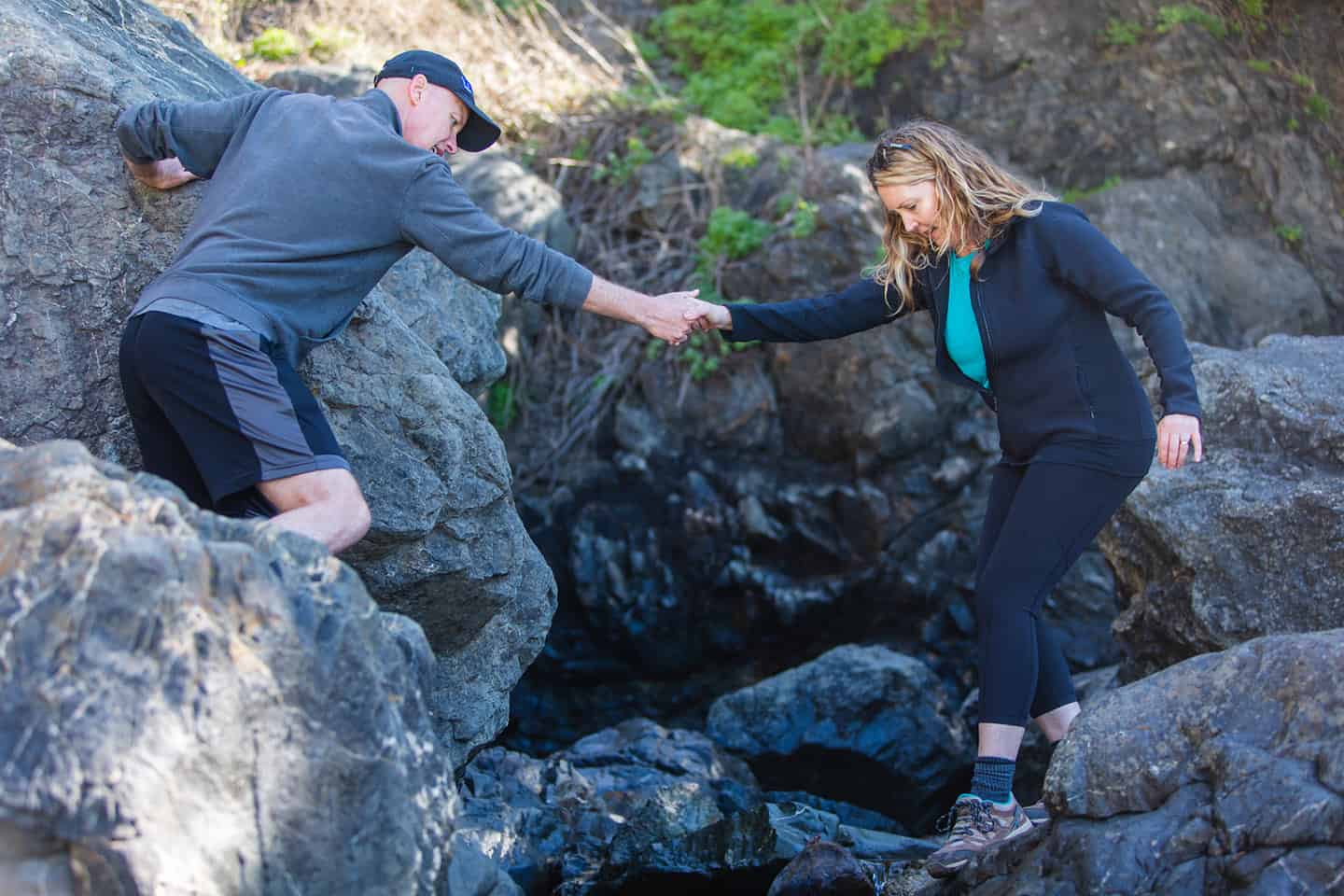
Santa Barbara hiking is all about access. Within minutes of downtown, you’ll find coastal bluffs, creek-filled canyons and summit trails with shimmering island views. Decide how hard you want to work, then pick your backdrop—sunset stroll, shaded canyon wander or a climb that rewards you with sweeping coastal panoramas.
Easy Coastal Bluff Walk: Douglas Family Preserve
Wide-open grasslands and gently rolling bluff trails rise above Arroyo Burro Beach, where the Pacific stretches uninterrupted and the Channel Islands hover on the horizon on clear days. This is the low-commitment, high-reward coastal walk—ideal for families with young kids, sunset seekers avoiding steep climbs and anyone craving ocean views without technical terrain or major elevation gain.
Unpaved loop trails let you set your own distance. Wander for 20 minutes or extend your stroll to an hour as the views pull you farther along the bluffs. The dirt and gravel paths remain mostly flat to softly rolling, making them accessible across ages and fitness levels. Dogs are welcome, and the open grasslands mean full sun with little shade—late afternoon and golden hour offer the most comfortable conditions and the best light across the water.
Parking is limited to small lots and nearby street spaces near Mesa Lane and the preserve entrance, which fill quickly on weekends and around sunset. Weekday visits or earlier arrivals make access easier. Coastal breezes help moderate warm days, but bring a light layer if you plan to stay through sunset, when wind picks up and temperatures dip.
Moderate, Classic Viewpoint Hike: Inspiration Point via Tunnel Trail
The most iconic viewpoint hike near town climbs steadily through exposed chaparral, trading effort for sweeping panoramas over Santa Barbara, the coastal plain and the Channel Islands. It’s the go-to moderate climb when visitors ask locals for that classic Santa Barbara view—without committing to all-day backcountry mileage.
The single-track, out-and-back format keeps navigation straightforward. Follow the trail upward through rolling terrain until Inspiration Point reveals the full coastal sweep below. Expect mostly sunny slopes with limited shade and no dependable water sources, making timing and preparation essential. Early morning or late afternoon offers the most comfortable conditions, and carrying extra water helps avoid the common mistake of underestimating the exposure on these front-country hillsides.
Trailheads near Tunnel Trail or along Camino Cielo Road provide limited roadside parking that fills quickly on clear weekends. Conditions matter here more than on many local hikes—fog erases the views, heat intensifies the exposed climb and strong wind can make the ridgeline uncomfortable. Check the forecast and aim for crisp, clear days when visibility stretches for miles.
Shaded Canyon Option with Creek Vibes: Rattlesnake Canyon Trail
Step into Rattlesnake Canyon where oak and sycamore branches filter sunlight and a seasonal creek threads through the bottom, creating that shaded woodland atmosphere that feels worlds away from the exposed bluff and ridgeline hikes. This locals’ favorite brings the “canyon hike” experience with tree cover, creekside passages and cooler conditions that make it the smart choice on warm days when other trails bake in full sun.
Loop and connector trails weave up the canyon with steady uphill segments that qualify as moderate difficulty—you’ll work for the elevation but the shade makes it manageable even when temperatures climb. Creek flow varies seasonally with winter and spring bringing reliable water and summer reducing it to scattered pools, but the tree canopy stays consistent year-round. The trail gives you that famous riparian canyon feel where bird calls echo off rock walls and the sound of moving water replaces ocean surf.
Small trailhead parking along Painted Cave Road or near Foothill Road fills earlier on weekends when locals claim this canyon for their Saturday morning loops. The shaded sections make this a strong half-day escape when beach time feels too hot or you’re craving something greener and more forested than the coastal grasslands.
Waterfall Destination Option: San Ysidro Trail (Montecito)
Canyon hiking meets waterfall reward along San Ysidro Creek, where water carves through Montecito’s backcountry to create swimming holes and shaded pools. It’s a water-focused adventure that shines in summer, when the pools invite a cool-down after the steady uphill climb. The out-and-back trail follows the creek with step-overs and rocky stretches that call for solid footwear—water-resistant shoes help when navigating damp crossings or scrambling near the falls.
Difficulty ranges from moderate to strenuous depending on how far you continue up the canyon, with both elevation gain and distance adding to the workout. Lower sections feel enclosed by forested canyon walls, while higher stretches open to glimpses of ocean and islands between ridgelines. The true payoff comes at the waterfalls and pools, where you can linger, cool off and claim a sun-warmed boulder for lunch before descending.
Parking along East Valley Road is limited, and residential permit zones in nearby neighborhoods are enforced. Arrive early or plan for a longer walk from your car. Conditions shift with recent weather—mud and loose rock are common after storms, while summer typically offers the most inviting swimming conditions when water levels remain steady without running dangerously fast.
Shorter “Destination” Hike: Hot Springs Canyon Trail (Montecito)
Short mileage hits serious incline on this rugged canyon trail climbing toward natural hot springs pools—a tangible destination that makes the steep ascent worthwhile. The route threads uphill through rocky steps and uneven terrain, earning its moderate-to-hard rating despite the relatively short distance. Don’t let the mileage fool you—this is not a casual stroll.
At the top, the reward is a soak in warm mineral water surrounded by canyon walls. While the trail is open year-round, it feels especially appealing in cooler months when the contrast between crisp air and heated springs is most satisfying. Avoid visiting during or just after rain, when rocky sections become slick and hazardous, and wear shoes with solid traction—smooth soles won’t grip the uneven footing.
Roadside parking along Hot Springs Road and Tunnel Road is limited, so early arrival improves your odds of securing a nearby spot. Watch posted signs carefully and respect residential permit zones. For hikers seeking a challenging climb with a built-in destination, this trail delivers adventure without committing to extreme mileage.
If Coastal Hiking Calls
If coastal hiking calls, look north. While Santa Barbara’s trails deliver canyon walks and classic viewpoint climbs, Highway 1 hiking offers an entirely different experience—bluff-top paths tracing clifftops above crashing surf, hidden routes down to pocket beaches and sea stack viewpoints that feel far removed from town.
Between Pismo Beach and Cambria, trails reward hikers with wide-open coastal skies and quieter trailheads that feel wilder than the front-country options near Santa Barbara.
Pro Tips
- For all Santa Barbara hikes, carry more water than you think you’ll need—the sun is strong year-round and many trails offer limited shade.
- Early morning or late afternoon hiking avoids midday heat on exposed trails like Inspiration Point and Douglas Preserve.
- Trailhead parking fills on weekends for most trails; arrive early or plan for street parking farther from popular access points.
- Creek trails (San Ysidro, Rattlesnake) flow strongest in winter and spring; summer reduces water but increases swimming appeal.
Art, Museums & Culture
Balance beach time with cultural depth, where galleries showcase international collections, museums trace regional history and historic theaters host evening performances that turn a downtown dinner into a full night out. These venues work well for mixed-interest groups—some drawn to art, others ready for a break from the sand—all offer a dependable backup plan when the marine layer lingers or you’re craving an indoor activity with A/C.
Santa Barbara Museum of Art (SBMA)
A compact, thoughtfully curated museum sits just off State Street, SBMA showcases Asian art, European painting, American works and contemporary photography at a scale that feels manageable. This is an approachable museum experience—intimate galleries that allow you to truly engage with the art rather than racing past endless walls before your feet give out.
The permanent collection spans continents and centuries, arranged to spark dialogue between pieces instead of overwhelming visitors with volume. Rotating exhibitions feature international and regional artists, ensuring fresh perspectives even for repeat visits. A museum store and café provide convenient stops for coffee, art books and gifts, while outdoor courtyards offer breathing space between galleries.
Plan 60 to 90 minutes for a relaxed visit. The museum pairs seamlessly with State Street strolling—lunch on a nearby patio, wander the galleries during cooler afternoon hours, then continue shopping or head to dinner. Downtown public garages and street parking make it an easy addition to an already walkable itinerary.
Santa Barbara Historical Museum
Adobe buildings and a quiet courtyard set the stage for Santa Barbara’s layered history, tracing the arc from Chumash heritage through the Spanish colonial era, ranching periods and the civic growth that shaped the modern city. This small-campus museum delivers regional context in manageable chapters—chronological exhibits that clarify how indigenous cultures, European settlement and American expansion converged to form the place you’re exploring today.
Chumash artifacts and cultural displays ground the indigenous narrative, while Spanish and Mexican period exhibits highlight the mission system and architectural influences that continue to define Santa Barbara’s visual identity. Ranching history and early civic development round out the story, adding depth to visits at the Mission, the Presidio and downtown’s historic blocks once you understand their place in the timeline.
Plan 45 to 90 minutes, depending on how deeply you engage with the exhibits or linger in the courtyard and research spaces. The uncrowded setting suits travelers who prefer absorbing history at their own pace. Its location near the Presidio and El Pueblo Viejo district makes it easy to combine with other historic stops, using nearby downtown parking for multiple sites without moving your car.
Lobero Theatre
Watch the curtain rise at California’s oldest continuously operating theatre. Opened in 1873, sink into one of 600 intimate seats nestled within a Spanish Colonial architectural design. The programming runs eclectic—classical music, flamenco, jazz, indie artists, guest speakers and film screenings—so check what’s playing and choose a performance that fits your mood. This is about proximity and atmosphere: you’re close enough to feel the music, hear the breath between notes and experience the show without the distance of a massive venue.
Make it part of your evening downtown. Book dinner first, then walk over for a performance that feels more elevated than another patio stop but less formal than a full-scale production. Review the schedule before your trip and reserve tickets early—sellouts happen quickly in a theatre of this size. With everything clustered downtown, you can move seamlessly from dinner to curtain call to post-show drinks without touching your car.
Granada Theatre
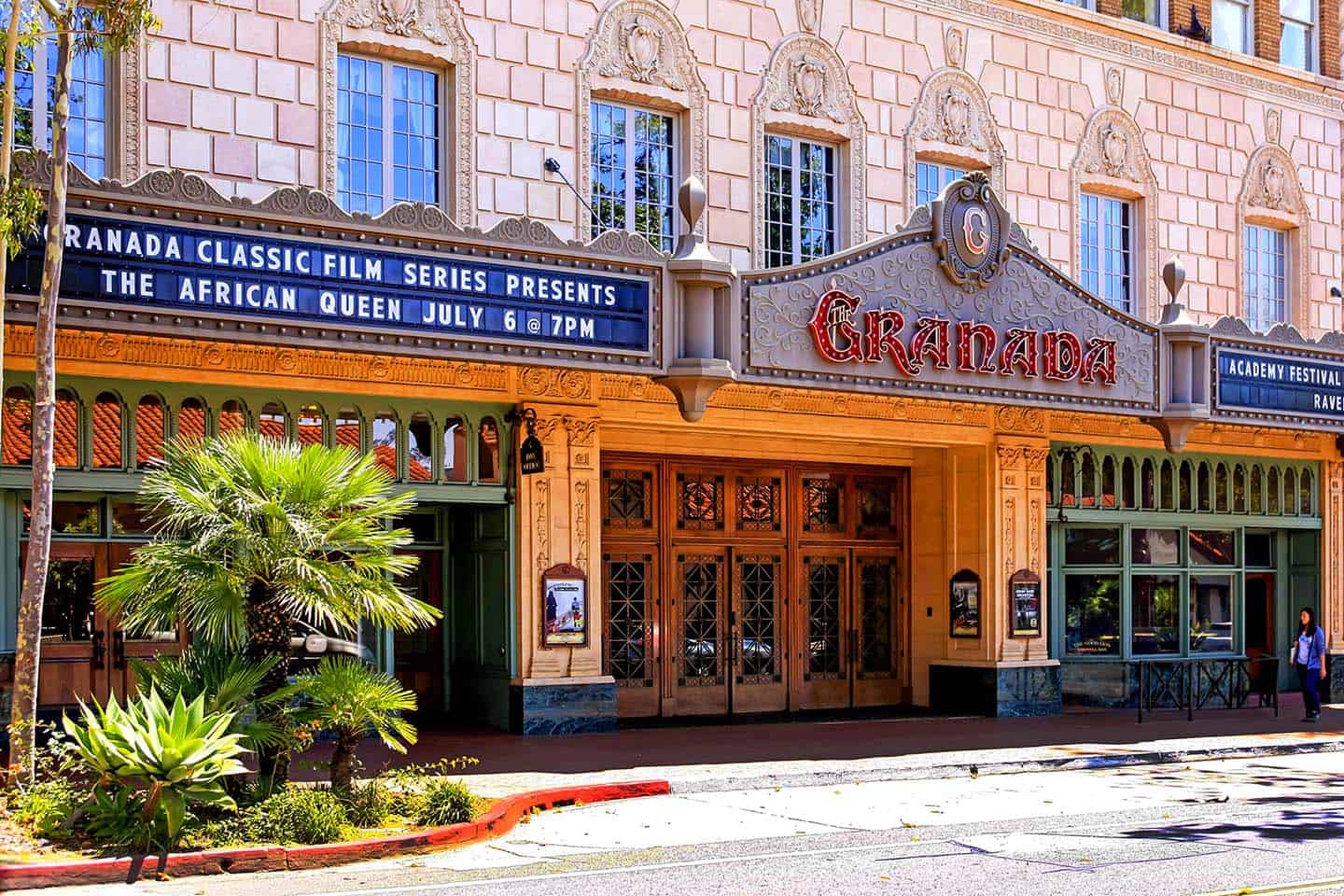
Make the Granada your stage for a grand night out. Built in 1924, this Spanish Colonial Revival landmark anchors Santa Barbara’s theatre district with ornate detailing and sweeping scale that makes the building itself part of the performance. Settle into one of more than 1,500 seats for Broadway tours, symphony concerts, ballet and major touring acts—this is the city’s larger-scale theatre experience, where the energy feels elevated and the occasion carries a sense of event.
Plan the evening intentionally. Reserve dinner along State Street, arrive early to admire the architecture and soak in the 1920s elegance, then let the performance unfold in a setting designed to impress. With dozens of restaurants within walking distance and downtown garages serving both dinner and theatre, you can park once and move effortlessly from pre-show cocktails to curtain call without hunting for another space.
Pro Tips
- SBMA pairs naturally with State Street activities—visit galleries during cooler afternoon hours, then continue shopping or dining nearby.
- Check Lobero and Granada schedules before your trip if live performance appeals; smaller venues sell out faster than you might expect.
- Historical Museum offers quick regional context that enriches Mission and Presidio visits—consider making it your first cultural stop to set the stage.
Wine Tasting in Santa Barbara
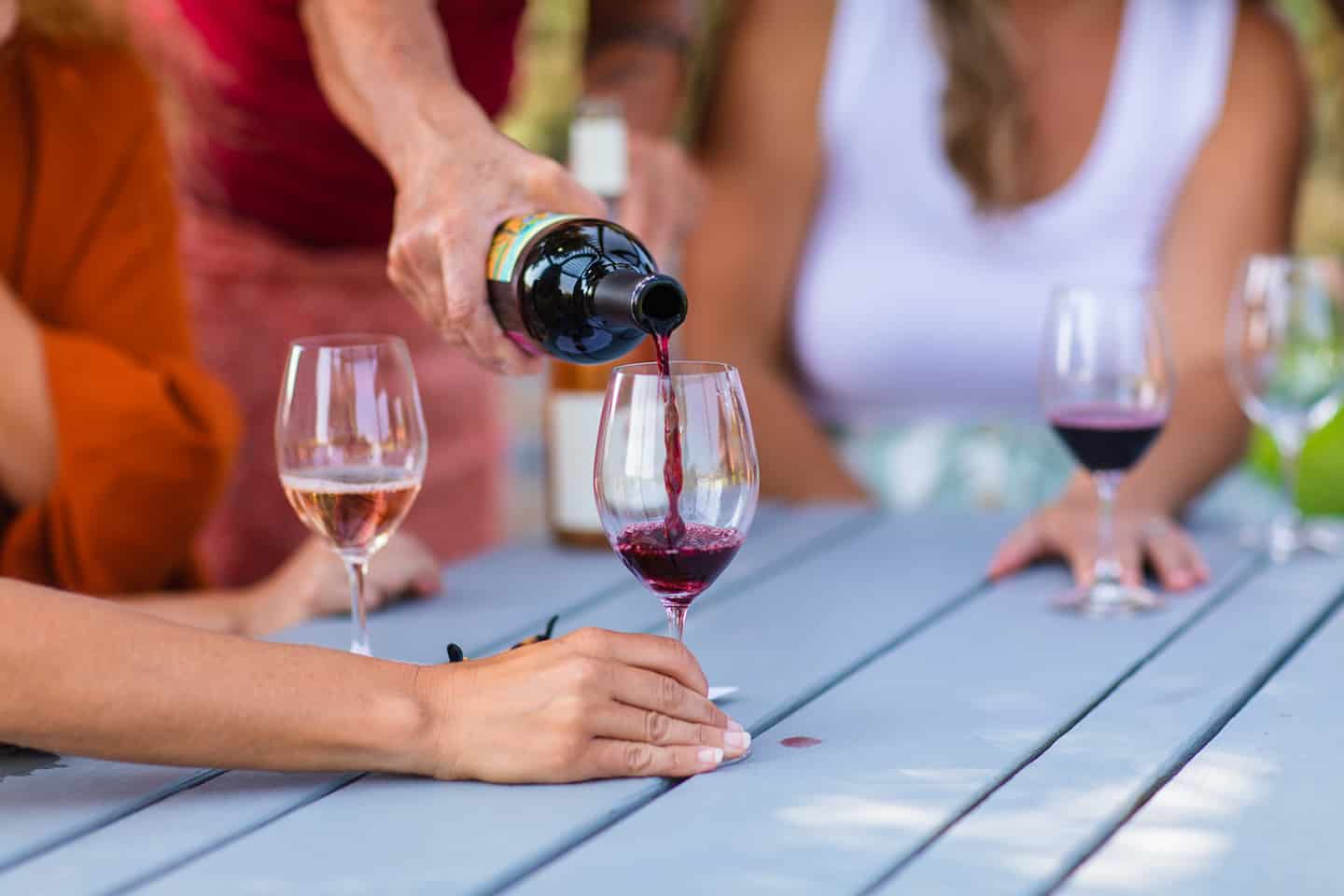
Santa Barbara’s wine scene offers two distinct paths. Stay downtown and hop between urban tasting rooms clustered within walking distance, sampling wines from across the county without ever moving your car. Or head into wine country and stand among the vines that produced what’s in your glass, trading convenience for full vineyard immersion. Each experience satisfies a different craving—walkable ease or destination depth.
Urban Tasting Rooms: Two Walkable Clusters
Two walkable neighborhoods make this simple without needing a car between stops. The Funk Zone packs warehouse-to-tasting-room conversions into compact waterfront blocks where industrial-chic spaces, murals and patios create that lively social atmosphere. Downtown and the Presidio area tuck tasting rooms just off State Street near historic blocks, making it easy to weave wine into shopping, dining and gallery browsing.
The urban trail brings variety—you can taste Rhône-style wines at one stop, coastal Pinot Noir at the next and Bordeaux blends down the block, all from different producers showcasing fruit grown across Santa Barbara County’s diverse appellations.
Tasting rooms pour flights, sell glasses and bottles, and often stay open later than rural wineries, letting you drift between spots at whatever pace feels right. Some rooms offer small bites or pair with nearby restaurants, turning wine tasting into a full food-and-wine experience without driving elsewhere.
The Funk Zone & Downtown Tasting Rooms
In the Funk Zone, start with Rhône-focused pours and patio energy at Margerum Wine, then visit Santa Barbara Winery—established in 1962 and one of the region’s oldest producers—for a taste of local winemaking history. For a setting you won’t find inland, head out to Deep Sea Tasting Room on Stearns Wharf and sip directly above the water.
Closer to the Presidio, Grassini Family Vineyards offers Bordeaux-style wines in a more intimate downtown setting, a contrast to the Funk Zone’s warehouse vibe. Nearby, Santa Barbara Wine Collective gathers multiple small producers under one roof, making it easy to sample broadly without zigzagging across the city.
The appeal lies in proximity. Cluster three or four tasting rooms into a single afternoon, pause for lunch or dinner between pours and still leave time to wander murals or browse boutiques. It’s wine country access without rural roads or the logistics of a designated driver—urban convenience with serious range in the glass.
Vineyard Experiences
Urban tasting rooms offer walkable convenience, but vineyard estates deliver a deeper sense of place. In Santa Ynez Valley, Sta. Rita Hills and Happy Canyon, vineyard rows stretch across sunlit hillsides and estate tasting rooms invite you to sample wines steps from the vines that produced them. Barrel tastings, vineyard views and conversations about soil and climate bring terroir into focus, while the pace slows to match the agricultural rhythms that define serious wine regions.
For a calmer coastal wine experience, look north toward Edna Valley and the SLO Coast Wine Region. The atmosphere turns noticeably more relaxed, with easier reservations and less bustle. In Edna Valley, cool-climate Chardonnay and Pinot Noir thrive in the marine-influenced fog belt just outside San Luis Obispo. Nearby Arroyo Grande Valley offers similar coastal conditions, often paired with smaller, family-run wineries and a quieter tasting-room feel than you’ll find closer to Santa Barbara.
The shift isn’t just geographic—it’s experiential. You trade urban energy for open horizons, vineyard views and tasting rooms where conversations linger longer.
Pro Tips
- Funk Zone and downtown tasting rooms generally welcome walk-ins, but weekends fill faster—arrive earlier or visit midweek for more relaxed pours and longer conversations with staff.
- Pace yourself at two to three tasting rooms if you want to remember the wines; grab food between stops to stay sharp and enjoy the experience rather than just collecting pours.
- For true vineyard immersion with barrel rooms and winemaker context, head north to Edna Valley where the Coastal Wine Region brings that destination wine experience without the Santa Barbara crowds.
Santa Barbara Zoo
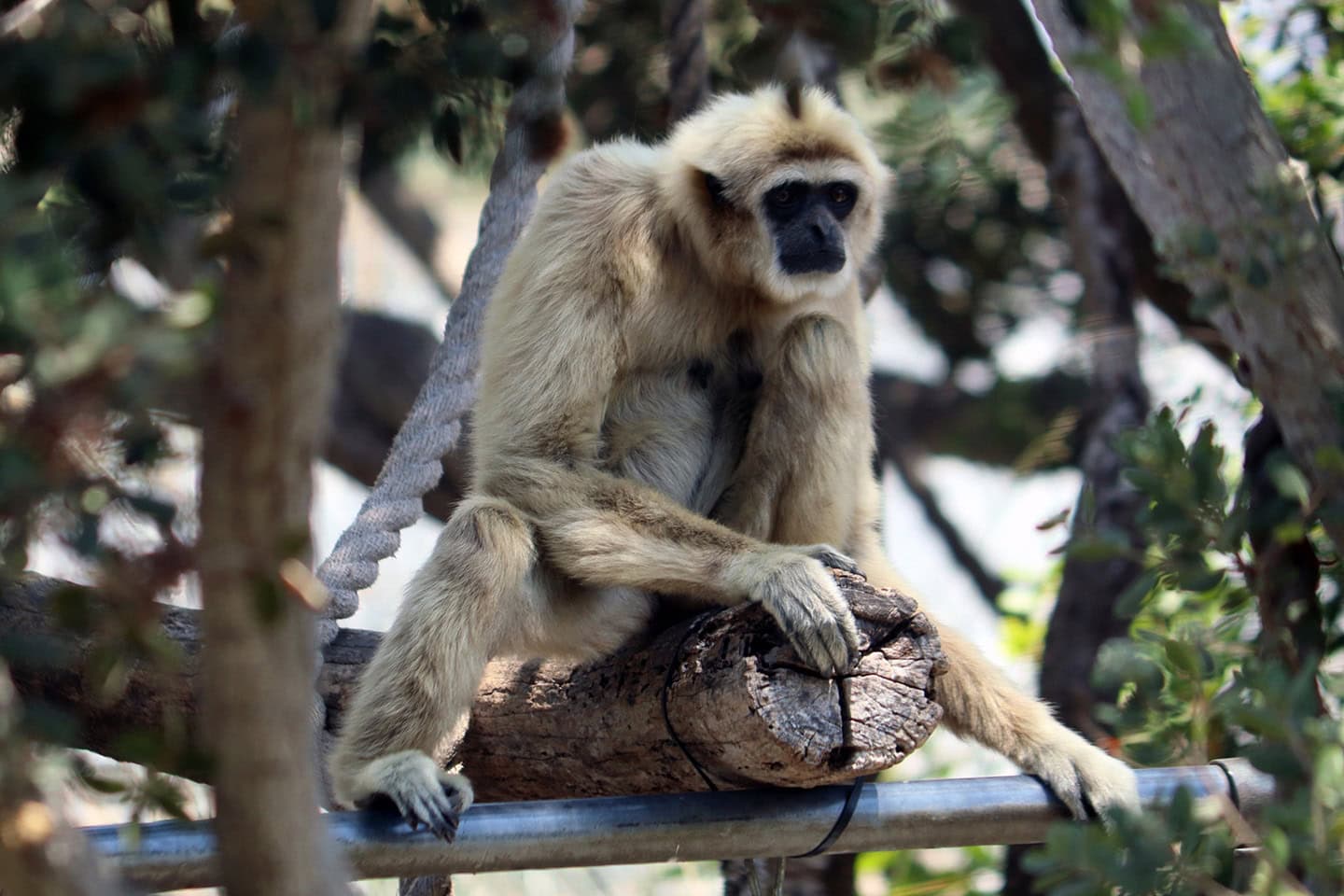
The Santa Barbara Zoo collects its big draws—African penguins, towering giraffes, California condors—within 30 walkable acres near the waterfront, making this manageable even when you’re short on time.
Penguins
Wander loop pathways where ocean views peek between exhibits and African penguins torpedo past underwater viewing windows. The 30-acre layout stays compact enough that families with young kids or groups on tight schedules can hit the main attractions without the exhaustion that comes from sprawling metropolitan zoos—giraffes, penguins and California condors all cluster within easy reach of each other.
The penguin habitat draws crowds for good reason—African penguins swim past underwater viewing windows where you can watch them slice through the water, and feeding times bring extra animation when keepers toss fish and the colony erupts into activity. Kids press against the glass mesmerized, and even adults admit the close-up penguin antics beat watching from a distance at larger zoos.
Giraffes
Giraffes command the elevated viewing deck where you’re standing nearly eye-level with these towering animals as they browse and survey their savanna habitat. The open sightlines make this one of the most photographed areas in the zoo, and the African hoofstock sharing the space add to that immersive safari feel without needing a plane ticket to the Serengeti.
California Trails/Condor Element
California Trails focuses on native wildlife with California condor interpretation anchoring the conservation messaging. The exhibit connects visitors to regional ecosystems and the ongoing recovery efforts for condors that were nearly extinct decades ago—educational depth that gives the zoo credibility beyond just displaying animals for entertainment.
Kid-Friendly Extras That Make Visits Easier
Hop on the Zoo Train when little legs start to fade but the group isn’t ready to call it a day. The short loop around part of the grounds offers a scenic reset that feels like an attraction in its own right, not just transportation. Plan to ride earlier in the day—midday departures often sell out on busy weekends and holidays.
Keep the momentum going by spacing out visits to play areas, timed animal encounters and snack stops. Shaded seating throughout the zoo makes it easy to pause before anyone tips into tired or hungry territory. The compact layout works in your favor: bathrooms, food and quiet corners are always within reach, making it simple to reset and move on to the next exhibit without covering miles of ground.
How Long it Takes
Budget about two hours for most visitors hitting the main exhibits at a comfortable pace with snack breaks and photo stops. Quick loops covering 90 minutes work if you’re targeting just two or three favorite areas, while relaxed visits stretching to three hours accommodate train rides, extended animal watching and lingering at whichever exhibits capture your group’s attention.
The manageable timeframe makes this easy to pair with beach time or other Santa Barbara activities—knock out the zoo in the morning when animals stay more active, then shift to the waterfront for lunch and afternoon beach lounging without feeling like you’ve sacrificed your entire day to one stop.
Best Timing for Your Visit
Animals show more activity early in the day, especially during warmer months when they seek shade as temperatures climb. Arriving right at opening brings the best viewing plus lighter crowds before weekend and holiday visitors pack the pathways. Late morning through mid-afternoon on weekends brings the busiest periods when parking fills and popular exhibits like penguins and giraffes draw lines.
Summer and school holidays see heavier attendance across the board, so weekday mornings during the school year offer the calmest experience if your schedule allows that flexibility. The zoo sits near East Beach along Cabrillo Boulevard with paid parking on site that can fill during peak times—arriving early solves both the parking stress and the animal activity timing in one move.
Pro Tips
- Arrive at opening for the most active animals and easiest parking before mid-day crowds fill the lot.
- The Zoo Train sells out on busy days—ride it earlier in your visit rather than saving it for last when tickets might be gone.
- Budget two hours for a comfortable visit that hits main exhibits without rushing; add time if kids want extended play areas or repeat visits to favorite animals.
Where to Eat & Drink
Follow the smell of wood-grilled chorizo to downtown patios, claim harbor tables where the catch was swimming this morning or settle into Funk Zone dining rooms between wine tasting stops. Choose from reliable picks organized by area so you can dine well without zigzagging across town.
Downtown / State Street core
Loquita
Book Loquita when you want downtown energy with Spanish tapas flair. Among standout Santa Barbara restaurants, this one delivers with paella pans arriving sizzling, wood-grilled meats and seafood built for sharing and a cocktail program that keeps the patio lively well into the evening. It works best as a true destination dinner—ideal for groups and friendly to vegetarians, with veg-forward tapas sitting comfortably alongside seafood and meat options. Reserve ahead on peak nights; the patio fills quickly and walk-in waits can stretch longer than you’ll want.
Sama Sama Kitchen
Claim a corner table at Sama Sama Kitchen for Southeast Asian-inspired flavors in a setting that feels vibrant without tipping into chaos. As one of the more dynamic Santa Barbara restaurants along State Street, it shines with shareable plates that help mixed diets find common ground across vegetable-driven dishes, meats and seafood. It’s the easy choice when your group wants bold flavor in a relaxed atmosphere. Arrive early or book ahead—dinner crowds build quickly.
Waterfront / Harbor / Cabrillo Boulevard
Brophy Bros.
Head to Brophy Bros. when you want classic harbor energy. Anchoring the Santa Barbara Harbor and long considered one of the essential Santa Barbara restaurants for seafood, it pairs marina views from the upstairs dining room and bar with chowder, oysters and straightforward plates that let the catch shine. Expect a lively scene of locals and visitors sharing the space. Reservations are limited, so arrive early or be prepared to queue during peak lunch and dinner hours—lines move steadily, and waits rarely outlast your patience.
Santa Barbara Shellfish Company
Out on Stearns Wharf, Santa Barbara Shellfish Company delivers pier-fresh seafood in its simplest form. Crab, clam chowder, lobster and fish plates come with harbor views just outside the windows. Among the more casual Santa Barbara restaurants, this one fits perfectly into a “walk the wharf and grab something quick” rhythm. Seating is limited and informal, but that’s the charm when you want fresh seafood without committing to a long, sit-down meal.
Funk Zone
The Lark
Reserve a table at The Lark when you’re ready for the Funk Zone’s flagship dining experience. Among standout Santa Barbara restaurants, it earns its reputation with seasonal, California-driven cuisine served in an industrial-chic space that feels lively without being loud. The menu balances elevated technique with approachable flavors, making it ideal for that “one nicer meal” slot before or after wine tasting—refined, but not stiff. Book ahead on weekends, when demand for a prime Funk Zone dinner table runs high and walk-in options disappear early.
The Nook
Slide into The Nook when you want something easy and unfussy near the tasting rooms. This casual Funk Zone staple delivers comfort food in a relaxed setting, perfect for groups who need solid fuel without turning dinner into a full production. Count on it as your flexible drop-in option before or after wine tasting—simple, satisfying and free of reservation stress.
Pro Tips
- Loquita and The Lark both require reservations on weekends—book ahead if these are on your list.
- Brophy Bros. doesn’t take reservations, so expect lines during prime meal windows; arriving off-peak (early dinner or late lunch) improves your odds.
- Funk Zone restaurants pair naturally with tasting room afternoons—grab wine first, then settle in for dinner nearby without moving your car.


Stewardship Travel for Good
Santa Barbara’s coastal landscapes—beaches, bluffs, tidepools and trails—thrive when visitors move through them with care. Simple actions protect the wildlife, habitats and natural beauty that make this stretch of California worth exploring in the first place.
Wildlife Watching with Respect
Keep distance between yourself and marine mammals, shorebirds and other wildlife you encounter along the coast or on trails. Sea lions, harbor seals and dolphins don’t need human interaction—observe from where you are, never approach for closer photos and resist any urge to feed wildlife no matter how tame they seem. Feeding disrupts natural behaviors, creates dangerous dependencies and violates laws designed to protect both animals and people.
If you’re lucky enough to spot whales, dolphins or sea lions from shore, piers or boats, enjoy the moment quietly without chasing, crowding or startling them. Binoculars bring you closer without crossing boundaries that stress animals or put you at risk.
Trail and Beach Etiquette
Stay on established trails to prevent erosion and protect fragile coastal vegetation that holds bluffs and dunes in place. Shortcuts and social trails might look harmless but they accelerate damage that takes years to reverse. Coastal bluff edges can crumble unexpectedly—respect fencing and warning signs that mark unstable areas, and never venture past barriers for photos or views.
Pack out everything you pack in, including food wrappers, bottles and any trash you generate. Leave beaches, trails and tidepools cleaner than you found them by picking up litter even if it isn’t yours—small actions compound when everyone contributes.
Tidepool Exploration Done Right
Tidepools reveal incredible marine life during low tides, but only when visitors treat these fragile zones with care. Look closely but don’t touch—prying creatures off rocks, poking anemones or lifting starfish damages animals that depend on staying attached and undisturbed. Step only on bare rock, never on areas covered with living creatures, algae or mussel beds that provide habitat and food for the ecosystem.
California law protects intertidal life, and rangers enforce regulations to preserve what makes tidepooling magical. Teach kids to observe without handling, keep dogs away from tidepool areas and leave every shell, rock and creature exactly where you found it.
Extend Your Trip North on Highway 1
When mapping out day trips from Santa Barbara, look north along Highway 1. The scenery shifts quickly—emptier parking lots, expansive beaches and coastal towns that move with the tides. Instead of stacking attractions, trade density for breathing room and discover how the highway opens up your sense of possibility.
What Gets Better as You Go North
Keep heading north and space becomes the defining feature. Parking lots thin out, trails quiet down and downtown strolls slow to an easy rhythm. Instead of jockeying for beach access or patio tables, you’ll find stretches of sand, bluff walks and small-town streets that remain refreshingly uncrowded.
The visual palette changes, too. Dunes rise where formal parks once stood, bluffs feel raw and windswept and the sunset stretches wider when fewer buildings compete with the horizon. It’s the beauty of Highway 1—choose your own adventure.
A Simple Northbound Sequence of Stops
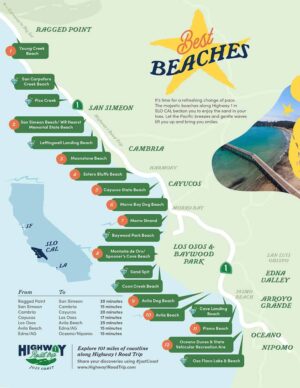
Head north and you’ll string together coastal towns that each bring their own character without demanding complex planning. Pismo Beach leans into classic beach-town flair with its long pier, lively downtown boardwalk and expansive dune access. Oceano and Nipomo mark the southern gateway to the truer Highway 1 experience, where wide beaches meet the Guadalupe-Nipomo Dunes Complex and farm-to-table dining reflects the region’s agricultural roots.
Avila Beach nestles into a protected cove with calmer waters, a compact walkable center and hot springs tucked into nearby canyons. Just inland, Edna Valley and Arroyo Grande Valley shift the focus to wine country and charming village squares where coastal Pinot Noir and Chardonnay pour in relaxed tasting rooms—often without the crowds found closer to Santa Barbara. Los Osos turns the spotlight back to nature, with Montana de Oro State Park delivering dramatic cliffs, sea stack views and tide pool access along rugged trails.
Continue north to Cayucos for easygoing pier-town charm, where antique shops line Ocean Avenue and the beach stretches quiet in both directions. Cambria follows with pine-studded coastal atmosphere, its East and West Villages anchoring art galleries, tasting rooms and the Moonstone Beach boardwalk that locals actually use. Finally, Ragged Point signals your transition toward Big Sur, where clifftop overlooks and that edge-of-the-world feeling announce you’ve reached one of California’s most dramatic accessible coastlines.
Each stop stands on its own or connects seamlessly into a longer Highway 1 journey that captures the best of the Central Coast without Santa Barbara’s bustle. The real advantage of this stretch? Freedom. Move at your own pace, skip what doesn’t call to you and linger where the energy feels right. No rigid schedule—just the coastline and the invitation to explore it your way.
Pro Tips
- Highway 1 north rewards flexibility—book your first night or two, then see where the drive takes you rather than locking every stop in advance.
- Smaller coastal towns fill up on summer weekends, but midweek and shoulder seasons bring that true “locals only” feel with empty beaches and available lodging.
- Gas stations and services spread farther apart north of San Luis Obispo—fill up when you see stations rather than assuming the next town will have everything you need.
FAQ
What are the top must-do attractions in Santa Barbara?
The waterfront and harbor walk from harbor to Stearns Wharf captures the classic coastal experience. Add the Mission for Spanish colonial history and State Street for downtown browsing. Pick the Funk Zone for wine tasting or one viewpoint hike like Inspiration Point if outdoor exploration appeals.
What’s the best area to stay or base yourself for walking?
Downtown near State Street or the waterfront puts you within walking distance of beaches, the harbor, restaurants and tasting rooms. Staying central means you can park once and walk to most attractions without constantly moving your car.
Which Santa Barbara beach is best for sunsets, families or swimming?
East Beach to Butterfly Beach brings the best long walks and sunset light on the mountains. West Beach fits families best with its wading pool, playground and calmer water. Hendry’s Beach (Arroyo Burro) offers tidepools and nature-focused beach time when tides cooperate.
What are the best free things to do in Santa Barbara?
The Mission Rose Garden offers free entry with mountain views, the waterfront and harbor walk costs nothing, and Douglas Family Preserve provides coastal bluff trails without fees. Beach access stays free across Santa Barbara, and browsing State Street, the Funk Zone murals and downtown historic blocks requires zero budget.
Is Santa Barbara worth visiting if I’m continuing up Highway 1?
Absolutely—Santa Barbara brings that walkable coastal city experience with beaches, wine tasting, dining and culture all stacked in one place. Then push north on Highway 1 where the Central Coast opens up with quieter towns, easier parking and uncrowded trails. The two experiences complement each other rather than compete.
See you on Highway 1
Santa Barbara is all about classic coastal moments—harbor walks that stretch into sunset strolls, canyon trails threading through oak shade just minutes from downtown and tasting rooms pouring wines that tell stories of fog-cooled valleys and sun-baked hillsides.
Ready to keep rolling north? Highway 1 opens up the Central Coast’s quieter side where small towns offer that breezy California charm without the crowds. Explore Things to Do on Highway 1 to discover Pismo Beach’s boardwalk vibe, Cayucos’ pier town charm, Cambria’s art galleries and wine tasting, or push all the way to Ragged Point where Big Sur’s panoramic drama begins.
The best Central Coast trips on Highway 1 string together multiple stops—Santa Barbara’s walkable waterfront followed by Avila Beach’s protected cove, Edna Valley’s vineyard roads plus Los Osos’ dramatic state park coastline. The adventure is yours for the taking. Hit the road and claim your own slice of coastal paradise.