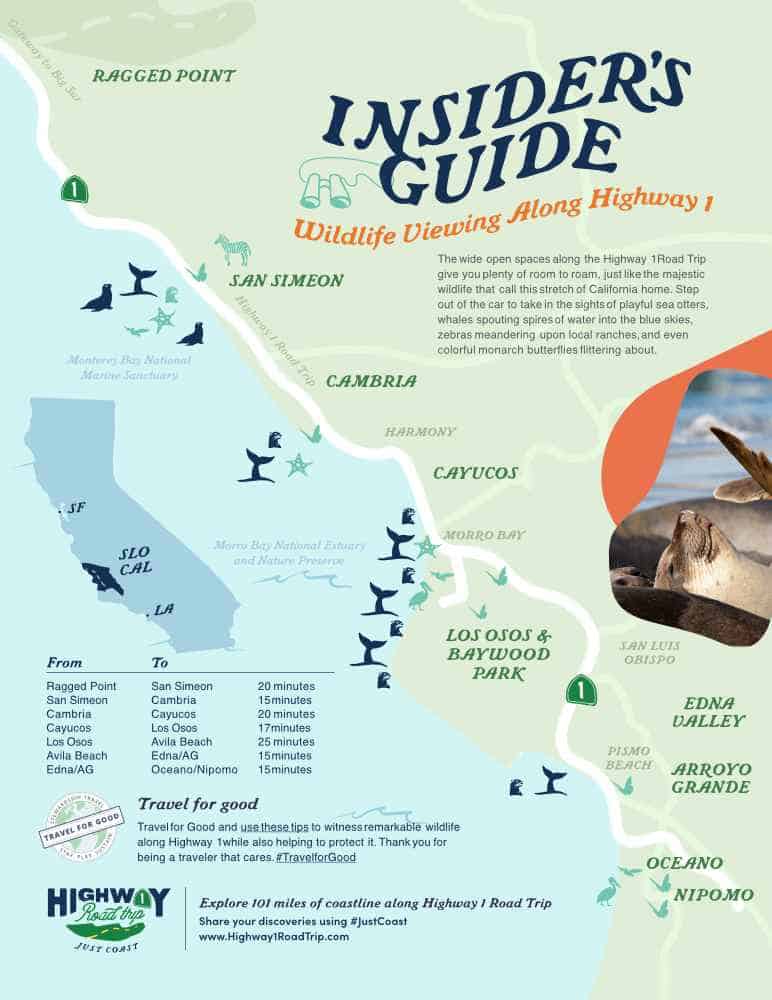


Want to spot magnificent whales breaching offshore, watch elephant seals lounge on sandy beaches, or discover a tree grove with thousands of Monarch butterflies? Highway 1 delivers some of California’s most spectacular wildlife viewing opportunities right from easy access points where you can park once and explore. From sea otters floating in kelp beds to zebras grazing in coastal fields, timing and location make all the difference. Check the sections below for when to visit and exactly where to position yourself for the best wildlife encounters. And don’t miss links to our detailed guides for planning your perfect coastal wildlife day.
Wildlife Viewing Along Highway 1
Best Time To See Wildlife
Each season brings different stars to center stage along this stretch of coastline.
Winter draws massive Northern Elephant Seals to shore for dramatic pupping and breeding seasons, while gray whales migrate south in steady processions visible from clifftop viewpoints. Find Monarch butterflies in their largest numbers during these cooler months, clustering together in sheltered eucalyptus and cypress groves for warmth.
Spring awakens the coast with wildflower carpets and exceptionally low tides ideal for exploring tide pools. Gray whales return northbound with their calves, often traveling closer to shore and providing longer viewing windows. Breeding seabirds become active, and marine mammals start showing increased activity after winter’s slower pace.
Summer brings calm, glassy waters that are just right for spotting sea otters with their fluffy pups. Seabirds reach peak activity levels, diving for abundant baitfish while longer daylight hours provide extra time for evening wildlife scans. Humpback and blue whales sometimes venture closer to shore following upwelling currents rich with krill.
Fall ushers in peak Monarch arrivals as thousands of butterflies begin their overwintering journey. Offshore whale activity can linger into October, and clearer autumn afternoons often provide exceptional visibility for scanning distant waters. Elephant seals start gathering for their dramatic winter breeding season preparations.
Pro Tips:
Check daily tide charts and plan intertidal exploration for the lowest tides of each day. Layer your clothing regardless of season since coastal conditions change quickly. Binoculars transform distant wildlife sightings into intimate behavioral observations worth the extra weight in your day pack.
Park-Once Wildlife Hubs
San Simeon Hub
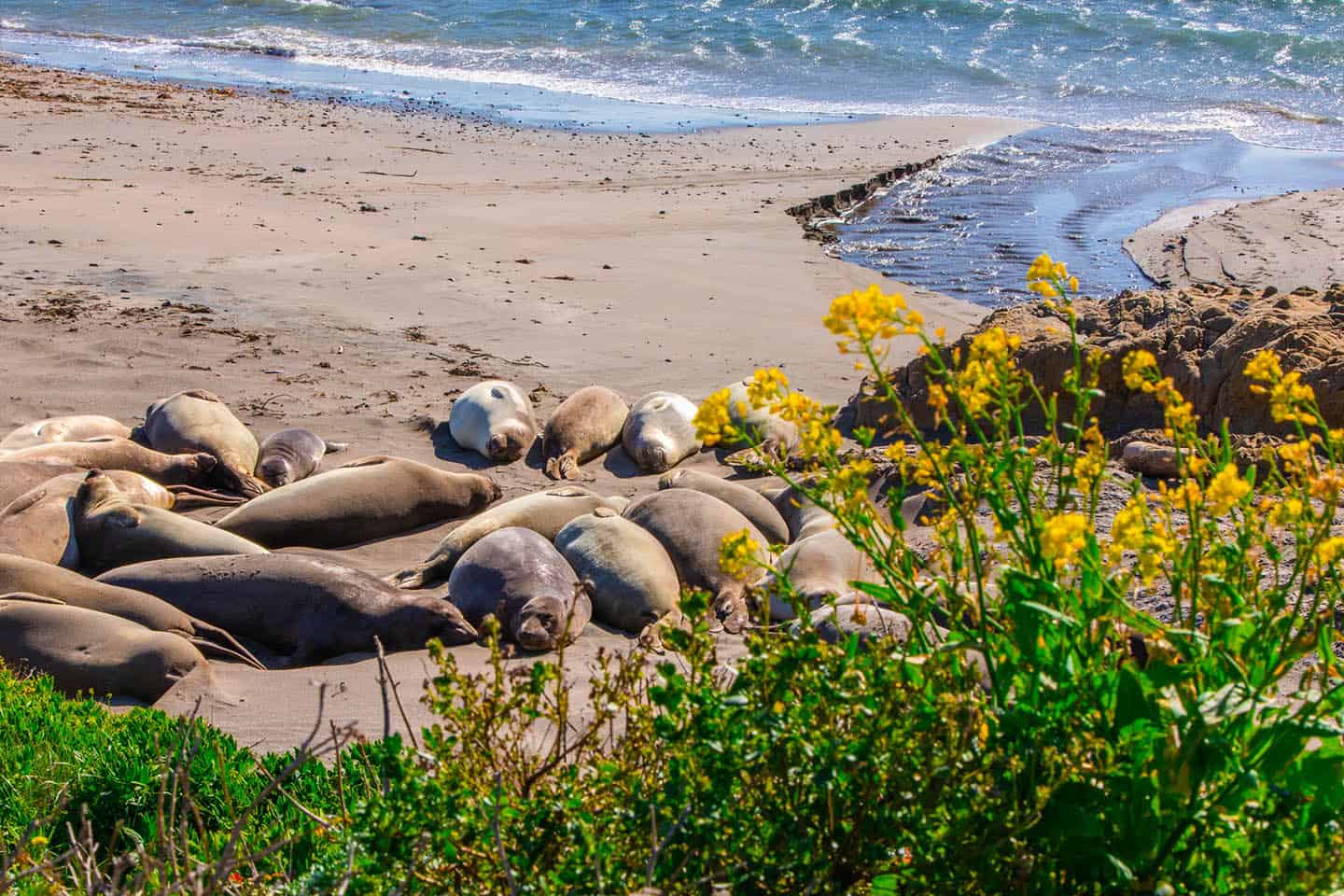
Transform your vehicle into headquarters for multiple wildlife encounters without constantly searching for parking. Start north of San Simeon, where clifftop pullouts offer commanding views for whale and dolphin scanning. Continue south to protected bayside areas where calmer waters host feeding sea otters and diving seabirds. The Elephant Seal Rookery provides year-round viewing with access to informative docents, while the nearby Coastal Discovery Center adds educational context to your sightings.
This compact area lets you experience both exposed ocean habitats and sheltered cove environments within walking distance. Combine morning wildlife viewing with afternoon explorations of tide pools when lower tides expose hidden marine communities. The variety of viewpoints means wind direction rarely affects your outing.
Pro Tips:
- Morning light and late afternoon conditions typically offer gentler winds and softer photography lighting.
- Remember to respect all posted wildlife viewing distances and barriers designed to protect both animals and visitors from dangerous interactions.
Cambria & Moonstone Hub
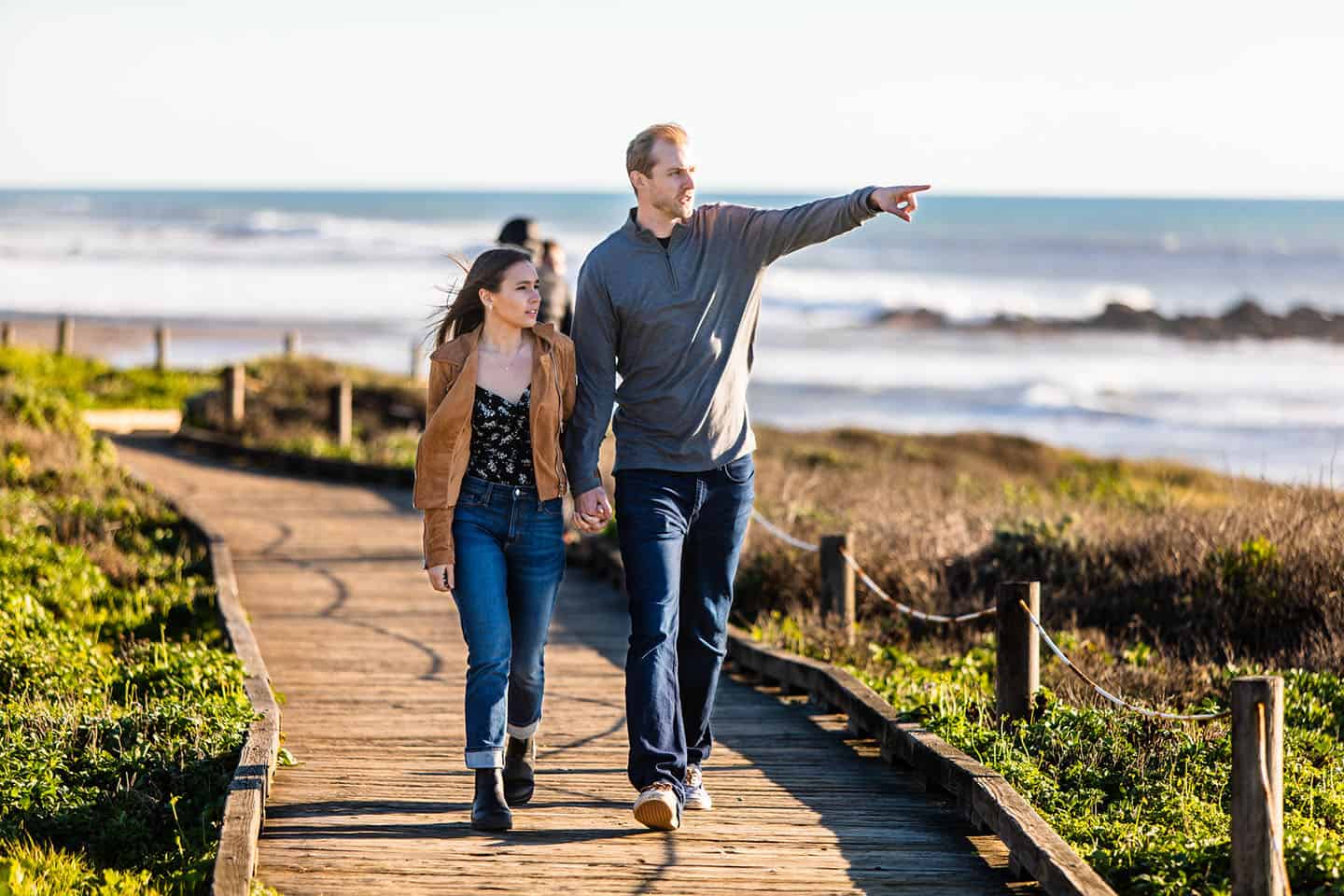
Here, the Moonstone Beach Boardwalk eliminates sandy approaches while delivering a front-row seat to shorebird feeding frenzies and seasonal whale migration. Moreover, the elevated boardwalk perspective helps you spot dolphins and sea otters that might blend into water patterns when viewed from beach level. Look for interpretive signs along the route to identify common species and explain seasonal behavior changes throughout the year. Moonstone Beach’s unique cobblestone shore also creates tire pools different from typical rocky coastlines, hosting specialized marine life adapted to rolling stone environments. Between wildlife sessions, visit downtown Cambria for gallery browsing and restaurant stops that feel like extensions of your coastal exploration.
Pro Tips:
- Schedule your tide pooling during the day’s lowest tide windows, and always wear shoes with excellent grip on wet stones.
- Never turn away from incoming waves, even during calm conditions, as sneaker waves can appear without warning.
Cayucos & Estero Bluffs Hub
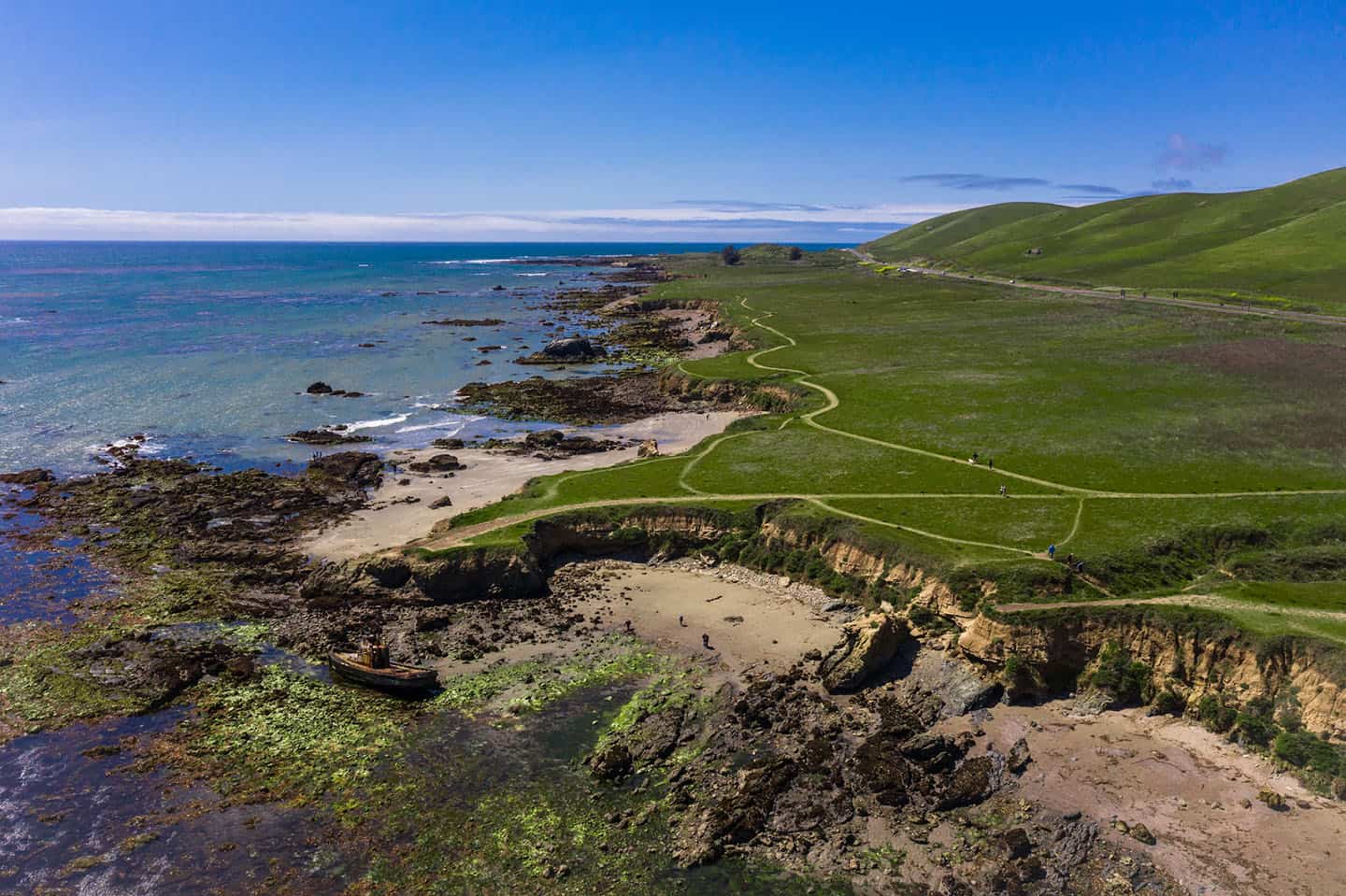
Gentle bluff-top trails here deliver sweeping ocean vistas without requiring a serious hiking commitment. Keep your eyes peeled for sea otters visible from these elevated viewpoints—they love to hunt and feed in the kelp forests. Further out, seasonal whales pass closely enough for naked-eye observation during peak migration months. Down at the beaches, protected coves below the bluffs contain some of the coast’s most photogenic tide pool communities, accessible via short but steep paths.
In Cayucos, the pier extends your viewing range into deeper waters where different species of seabirds dive for fish. Watch for bait activity that often attracts multiple species simultaneously, creating a spectacular feeding display visible from shore.
Pro Tips:
- Wear layers. The wind is a real factor when it comes to exposed bluff walking, and binoculars maximize wildlife identification opportunities.
- Stay on the designated paths to protect fragile vegetation and to avoid disturbing ground-nesting birds during breeding seasons.
Los Osos–Baywood & Morro Bay Hub
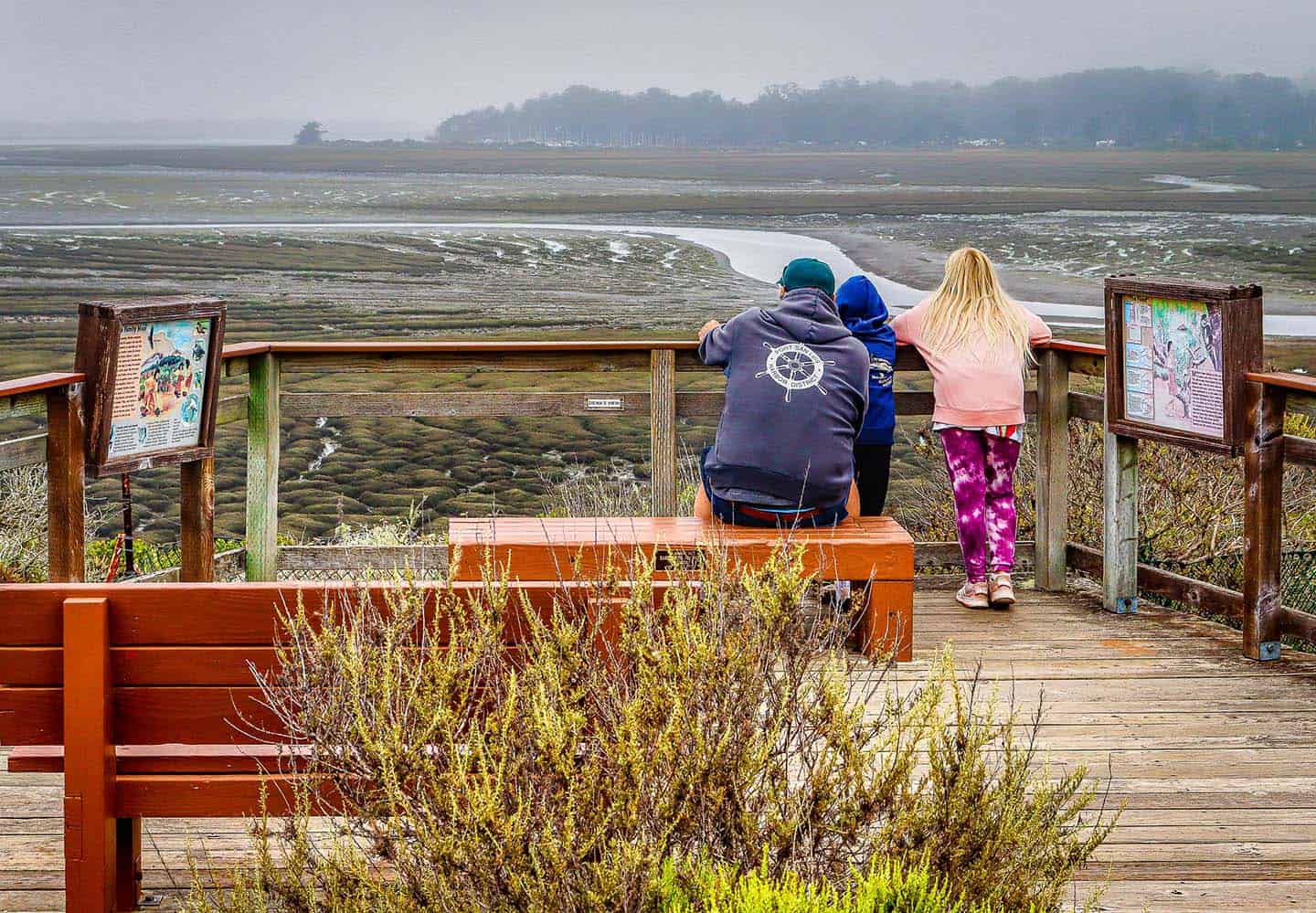
The back-bay environments of Los Osos-Baywood and Morro Bay offer completely different wildlife experiences from open ocean viewing. Calm, shallow waters attract wading birds like Great Blue Herons and Snowy Egrets. Meanwhile, mudflats during low tide become feeding grounds for dozens of shorebird species. Boardwalks and flat paths in these open spaces make wildlife viewing particularly welcoming for families with young children or visitors with mobility considerations.
The protected nature of these back-bay waters means wildlife viewing remains productive even during stormy weather that closes down ocean-facing locations. Raptors like Peregrine Falcons and Red-Tailed Hawks hunt over the estuary, adding aerial excitement to your ground-level birding.
Pro Tips:
- Higher tides bring wildlife closer to the boardwalk viewing areas, so time your visit with tide charts accordingly.
- Remember to keep voices low and movements slow when approaching feeding birds to avoid startling the flocks and triggering their departure.
Ragged Point Vistas
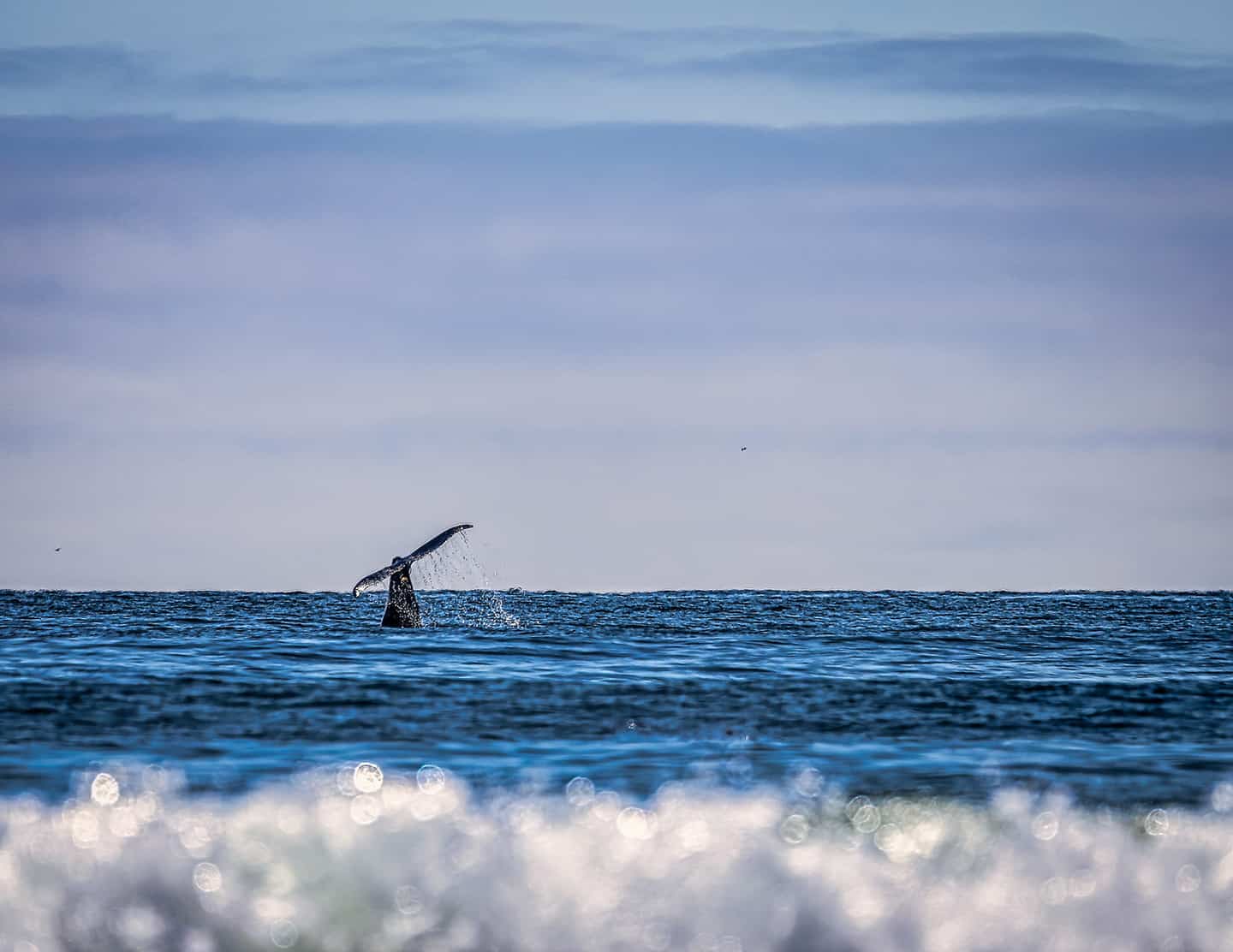
Looking for a million-dollar view? The dramatic cliff-top pullouts of Ragged Point position you hundreds of feet above the ocean for commanding whale and seabird observation during migration seasons. A walk along a short path leads to official overlooks where you can set up for extended scanning without vehicle traffic distractions. The elevation advantage here often reveals wildlife activity invisible from a lower position.
Strong updrafts along these cliffs create excellent soaring winds for seabirds, bringing pelicans, cormorants, and gulls within close viewing (and photographing) range as they ride the air currents. Furthermore, whale migration peaks, multiple spouts often appear simultaneously across the field of view.
Pro Tips:
- Use only designated turnouts when parking here, as Highway 1 traffic moves quickly through this area.
- Secure hats, cameras, and loose items before leaving your vehicle. Wind speeds can reach surprising intensities on exposed cliff edges.

Download your free Wildlife map from highway 1
Get MapWhale Watching Hotspots
While whale watching cruises are wonderful, shore-based whale watching rivals boat tours for spectacular sightings—and your feet remain firmly planted on solid ground. Navigate to piers, headlands, or designated scenic viewpoints, then commit to patient 5-10-minute scanning sessions rather than quick glances. The result? Whale spouts, tail slaps, and feeding frenzies galore, especially through binoculars.
Of course, different seasons favor different species, which makes for year-round viewing opportunities. Winter and spring showcase gray whale migrations as mothers and calves travel close to shore. Summer and fall occasionally bring humpback and blue whales following upwelling currents rich in krill. Each species exhibits distinct behavioral patterns that make identification possible, even from a considerable distance.
Pro Tips:
- Coastal wind patterns require layered clothing even during warm inland weather.
- Don’t forget your binoculars! They transform distant spouts into detailed observations.
- Plan viewing sessions during calmer morning or late afternoon periods when wave action interferes less with wildlife spotting.
Elephant Seals of San Simeon
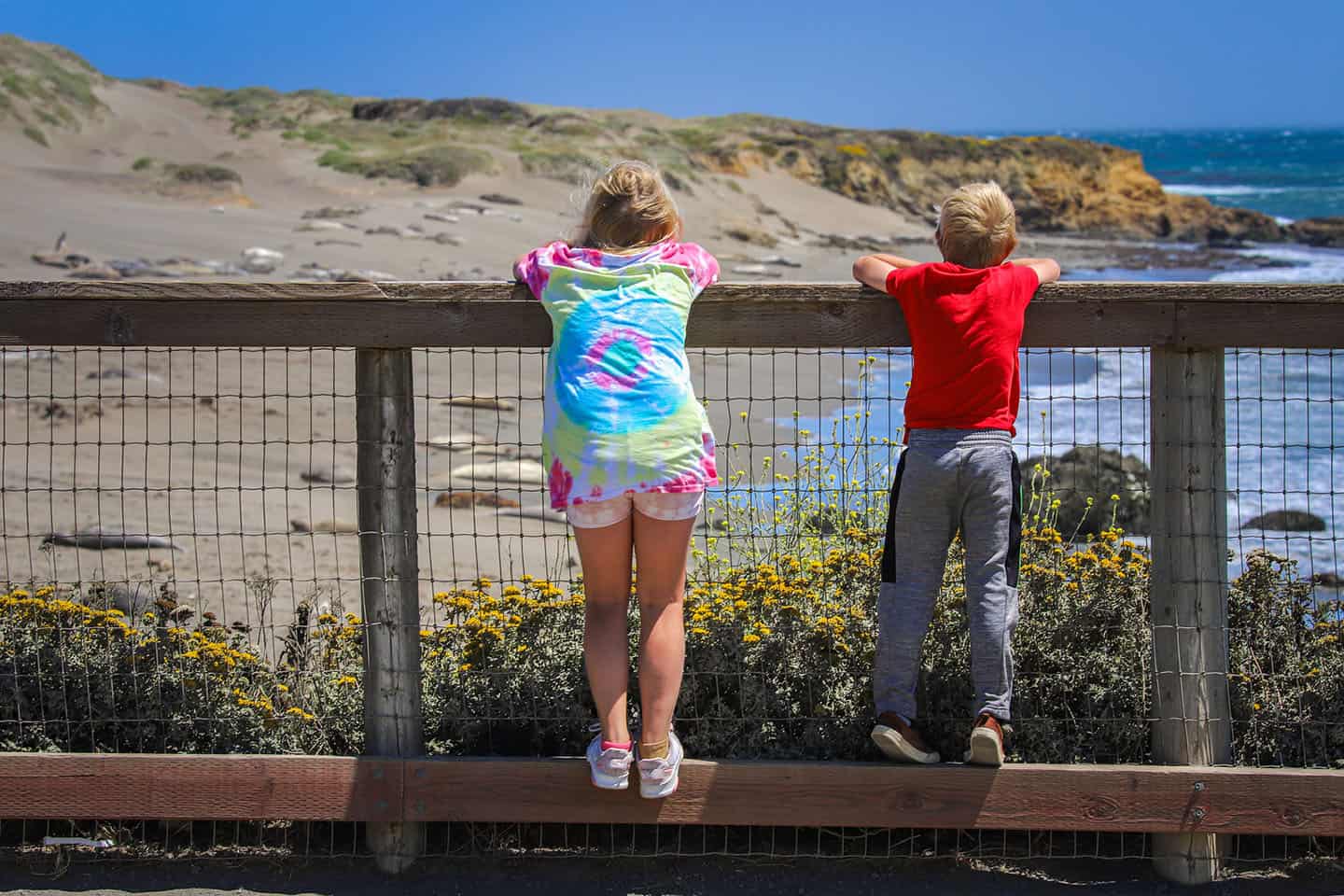
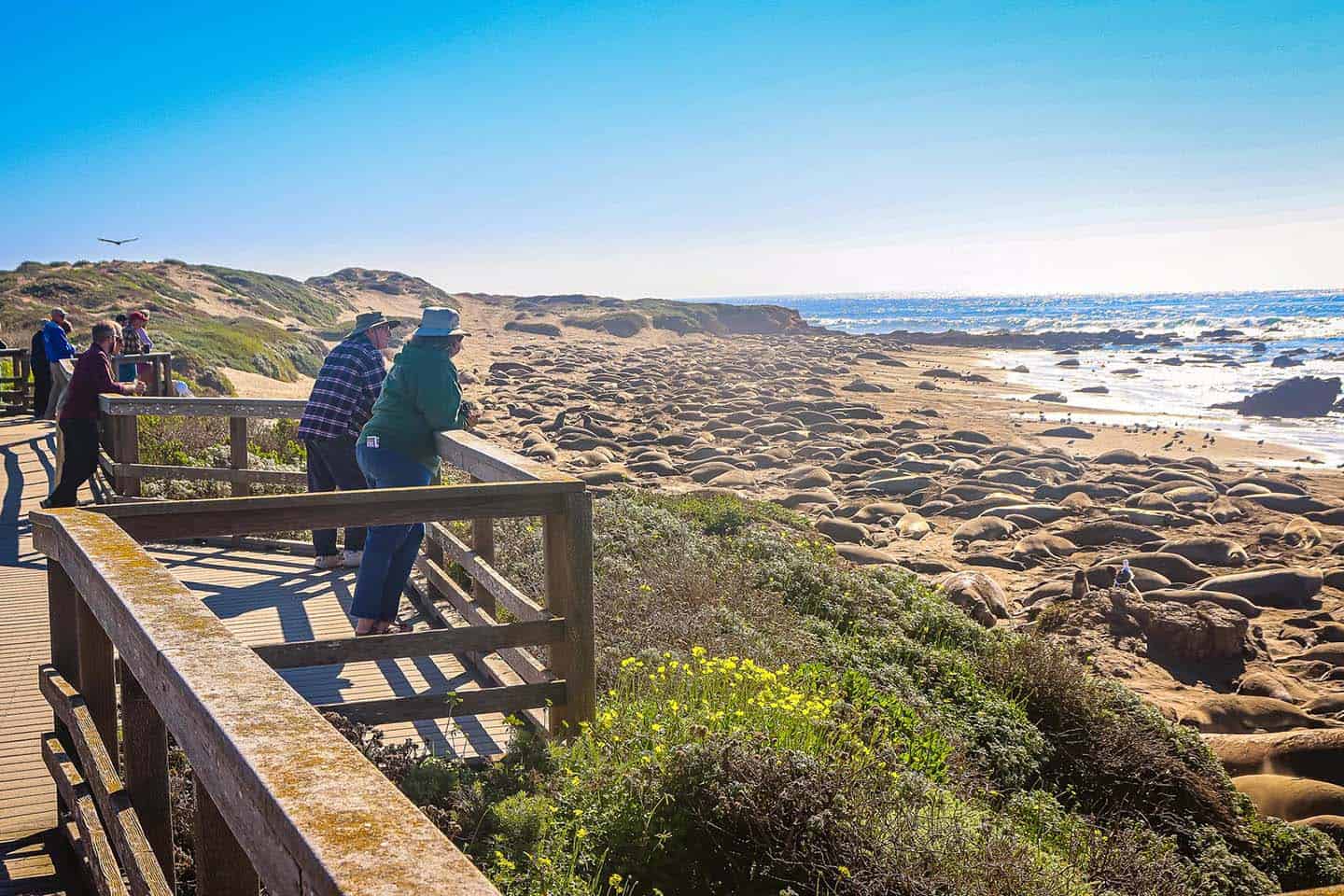
Year-round elephant seal viewing awaits at the Piedras Blancas Rookery, where accessible boardwalks eliminate challenging beach access while providing front-row seats to one of nature’s most dramatic wildlife spectacles. Seasonal highlights include winter pupping and breeding sessions, spring weaning periods, and summer molting cycles when seals shed their fur. Knowledgeable docents stationed at viewing areas help visitors understand complex social behaviors and identify individual animals by their distinctive markings.
Pro Tips:
- Stay behind the safety railings here, for both wildlife protection and visitor safety. Bull elephant seals can weigh over 4,000 pounds and move surprisingly quickly.
- Windy bluff conditions make warm layers essential, even during summer visits.
Monarch Butterfly Groves
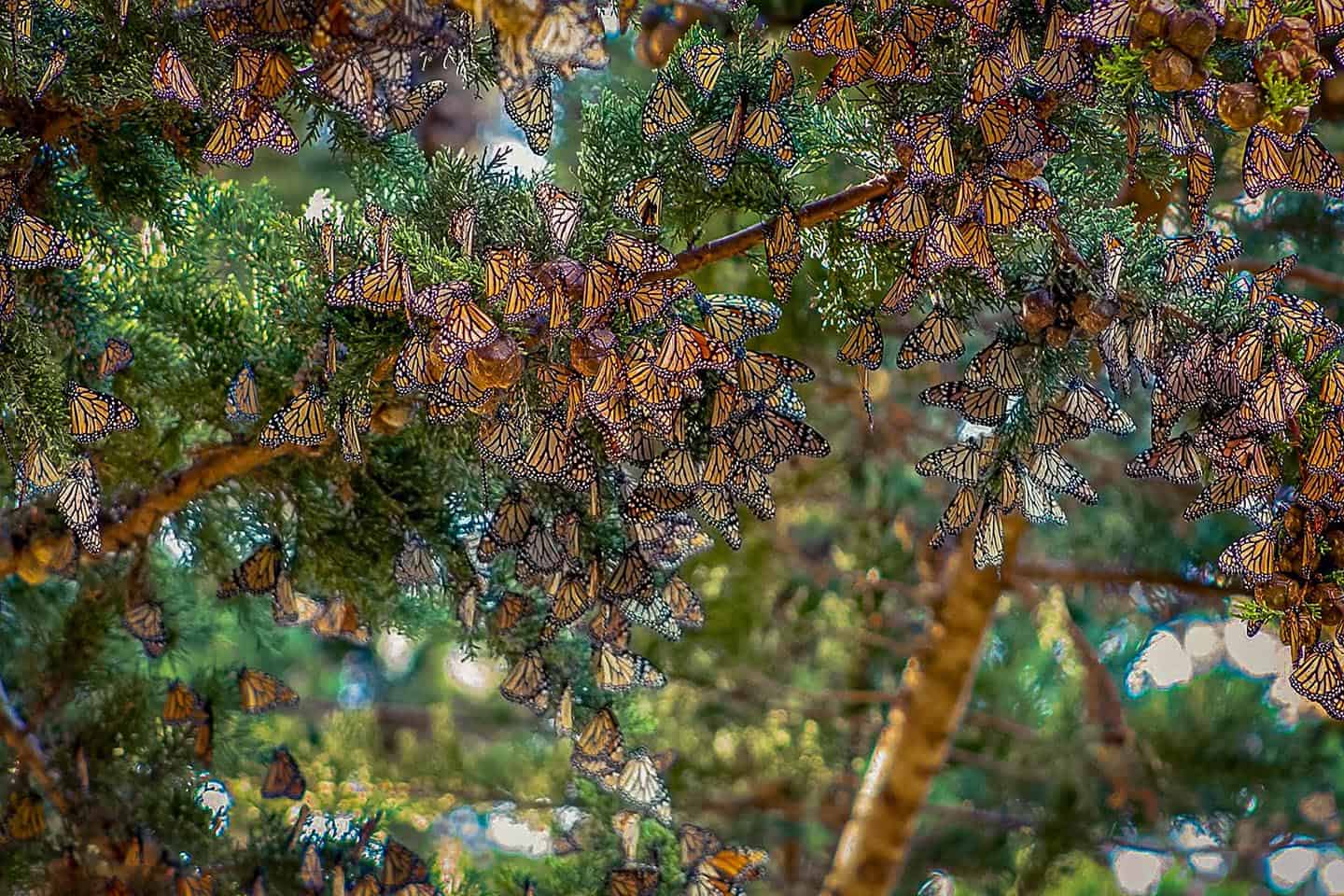
Overwintering Monarch clusters transform eucalyptus and Monterey cypress groves into living kaleidoscopes from late fall through early spring. Peak viewing typically occurs during midwinter months when thousands of butterflies cluster together for warmth during the still, clear morning hours. As temperatures rise throughout the day, individual butterflies become active and disperse for feeding and water.
Grove environments require a different approach than open-habitat wildlife watching. Monarchs cluster high in tree canopies during cool weather, making binoculars essential for detailed observation. Warm afternoon periods activate the butterflies as they descend to lower branches and occasionally flutter to eye level through dappled sunlight.
Pro Tips:
- Stay on designated paths to avoid disturbing sensitive overwintering sites, and keep voices low to minimize vibration impacts on the butterflies.
- A zoom lens provides better photographic opportunities than approaching clusters directly.
Sea Otter Spotting
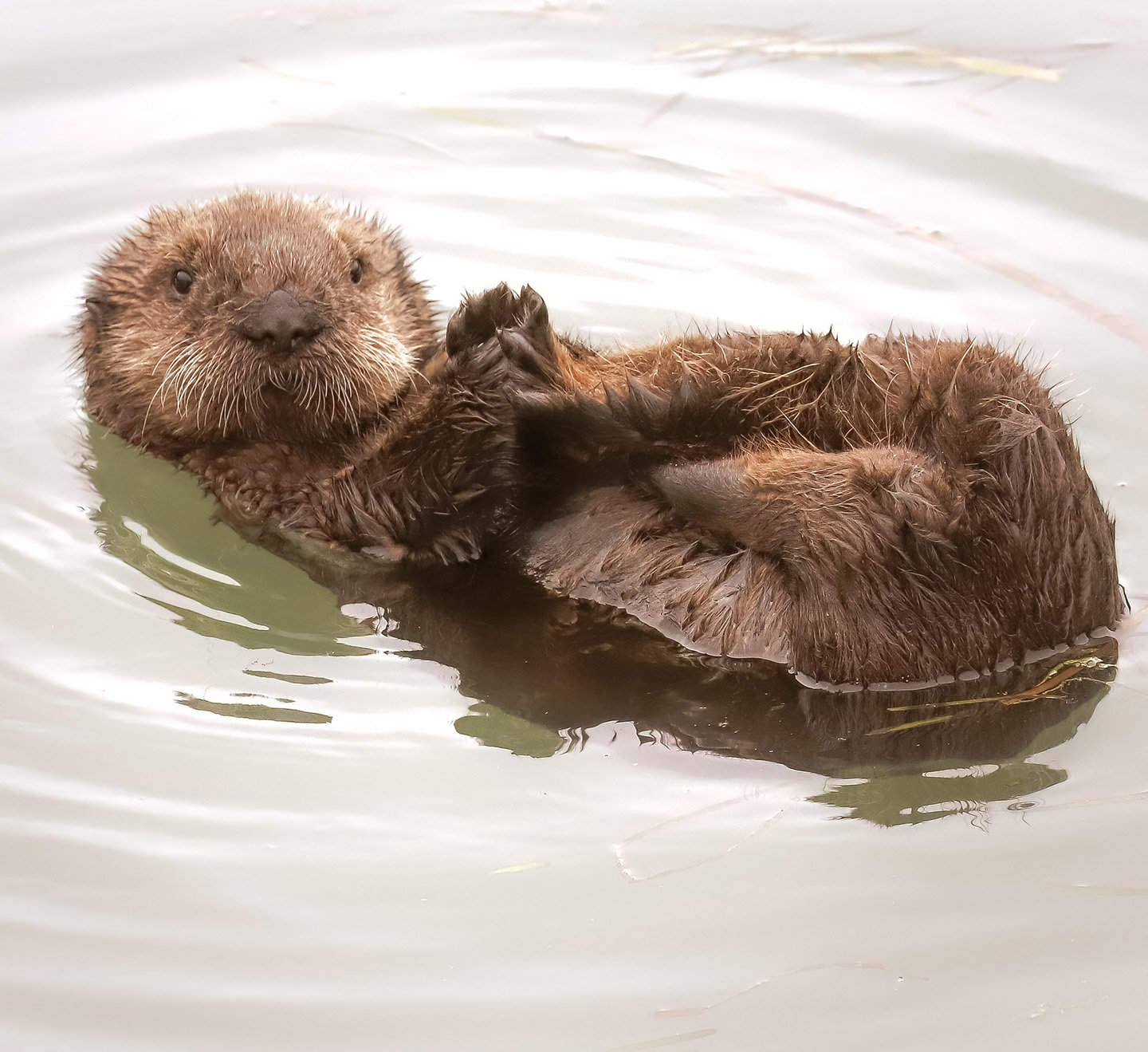
Fluffy and irresistibly playful, sea otters can be seen grooming, feeding, and rearing their pups among the kelp bed rafts in sheltered bays along Highway 1. To spot them, look for floating, rolling, or tool-using activity that distinguishes otters from seals or sea lions inhabiting the same waters.
Protected piers and elevated boardwalks offer excellent viewing platforms without requiring watercraft or specialized equipment. Otters often approach surprisingly close to shore during feeding sessions, allowing detailed observation of their complex social interactions and remarkable tool-use abilities.
Pro Tips:
- Always maintain a respectful distance from marine wildlife, and never attempt to feed any animals you encounter.
- Binoculars reveal intricate behavioral details that naked-eye observation typically misses during these special wildlife encounters.
Bird Watching Locations
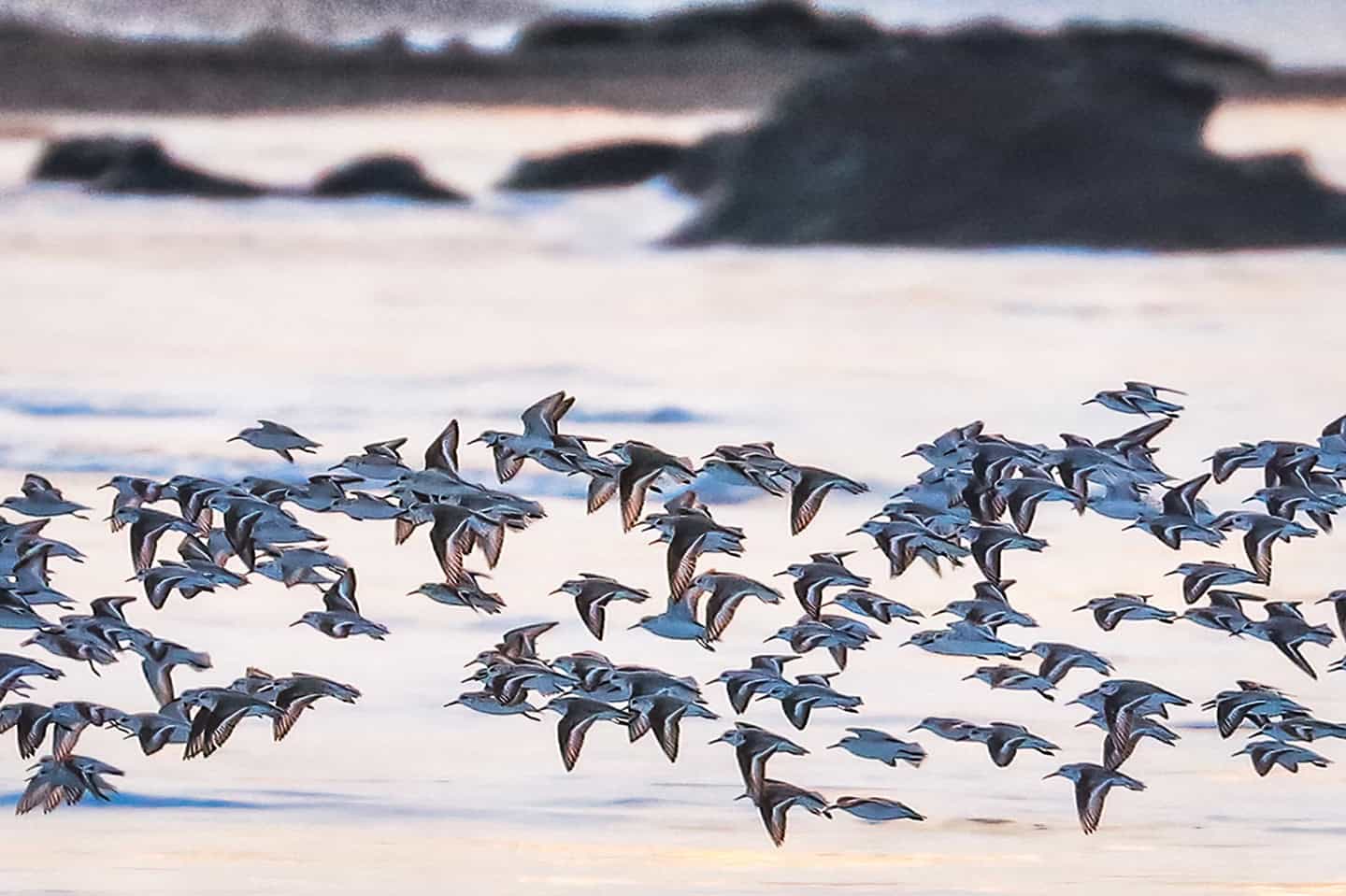
Diverse habitats along this coastal corridor support everything from tiny hummingbirds to massive pelicans, with estuaries, lakes, and coastal forests providing distinct viewing opportunities. Back-bay areas host wading birds and shorebird concentrations, while offshore waters attract diving seabirds and seasonal migrants following Pacific Flyway routes.
Boardwalk access and short trail systems make bird watching accessible for all experience levels and physical abilities. Early morning and late afternoon periods typically provide peak activity levels as birds engage in feeding and territorial behaviors during cooler temperatures and softer lighting conditions.
Pro Tips:
- Move slowly through bird habitats and use designated pullouts rather than roadside parking whenever possible.
- Avoid nesting areas during breeding seasons, and remember that dawn and dusk hours often reward patient observers with increased wildlife activity.
Tide Pools and Intertidal Life
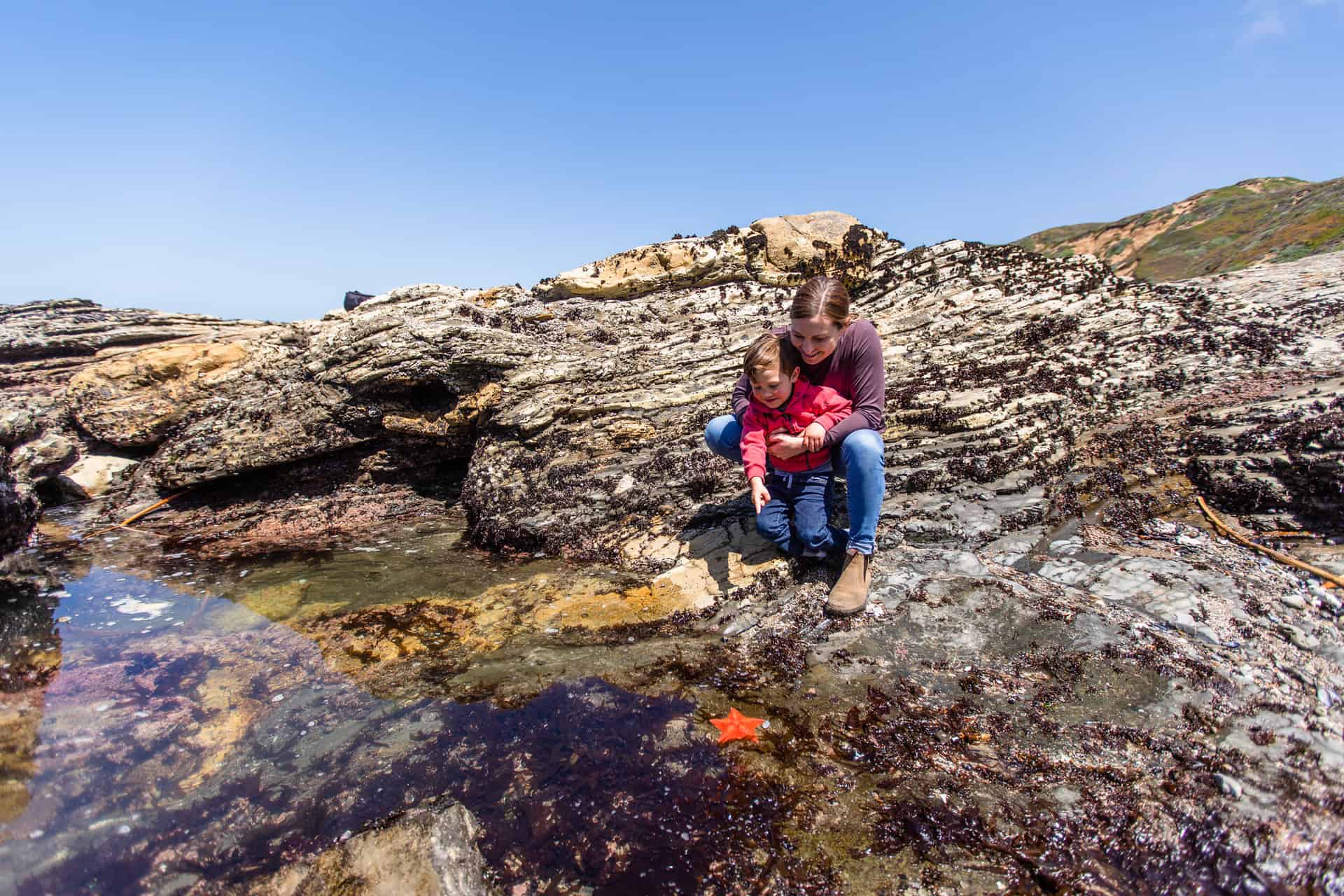
Visit tide pools during low tide to see underwater communities exposed in protected rocky coves, including colorful anemones, scurrying crabs, and regenerating sea stars. These brief windows into marine ecosystems require careful timing with tide charts and cautious footing on wet, algae-covered surfaces.
Choose rocky beaches or bare rock platforms for the safest way to explore, always supervising children closely around unpredictable waves. Each tide pool functions as a miniature ecosystem where relationships play out in shallow water theaters easily viewed from above.
Pro Tips:
- Schedule tide pool visits during each day’s lowest tide periods, and always watch incoming wave patterns rather than focusing exclusively on tide pool contents.
- Step only on bare rock surfaces to avoid crushing delicate marine organisms.
Wildflowers on Highway 1
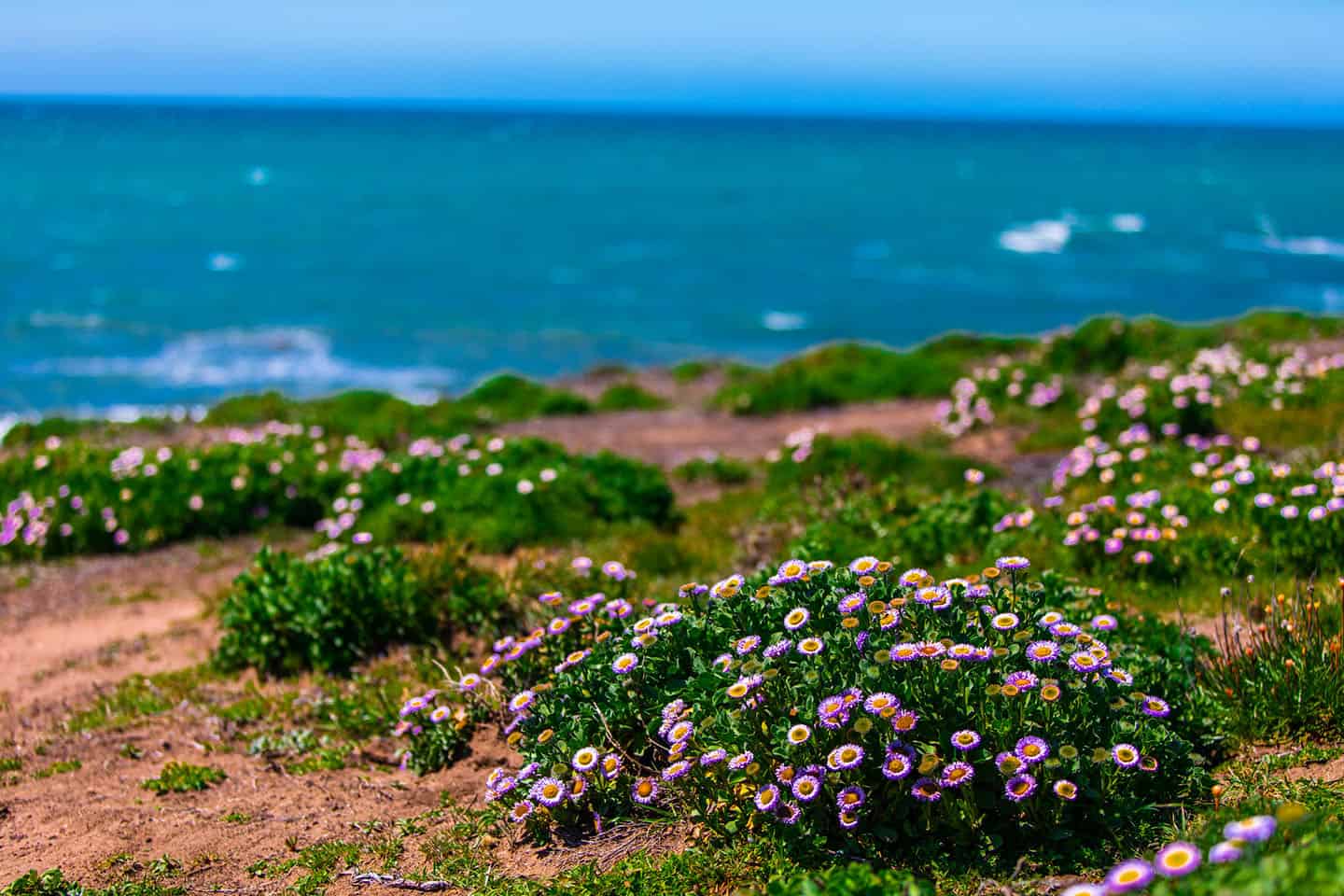
Peak wildflower displays typically occur from March through May, though wet winters can trigger early February color and cool coastal fog may extend blooms into June at higher elevations. Prioritize easily accessible bluff trails and coastal prairies that combine spectacular flower carpets with sweeping ocean vistas and convenient parking areas.
Look for brilliant orange California poppies, purple lupine clusters, yellow tidy tips and goldfields, pink owl’s clover patches, and seasonal mustard covering the hillsides. North-facing slopes often hold moisture longer and extend blooming periods compared to south facing exposures that cry earlier in the season.
Sunrise and late afternoon lightning transform flower fields into glowing tapestries perfect for photography, while sturdy shoes help navigate uneven terrain safely. Always stay on established paths to protect fragile root systems and avoid trampling future seasons’ potential displays.
Pro Tips:
- Check recent bloom updates from local park offices or visitor centers before making long drives specifically for wildflower viewing.
- Watch for poison oak growth along inland trail segments, and carry tick prevention supplies when walking through tall grass areas.
Hearst Ranch Zebras
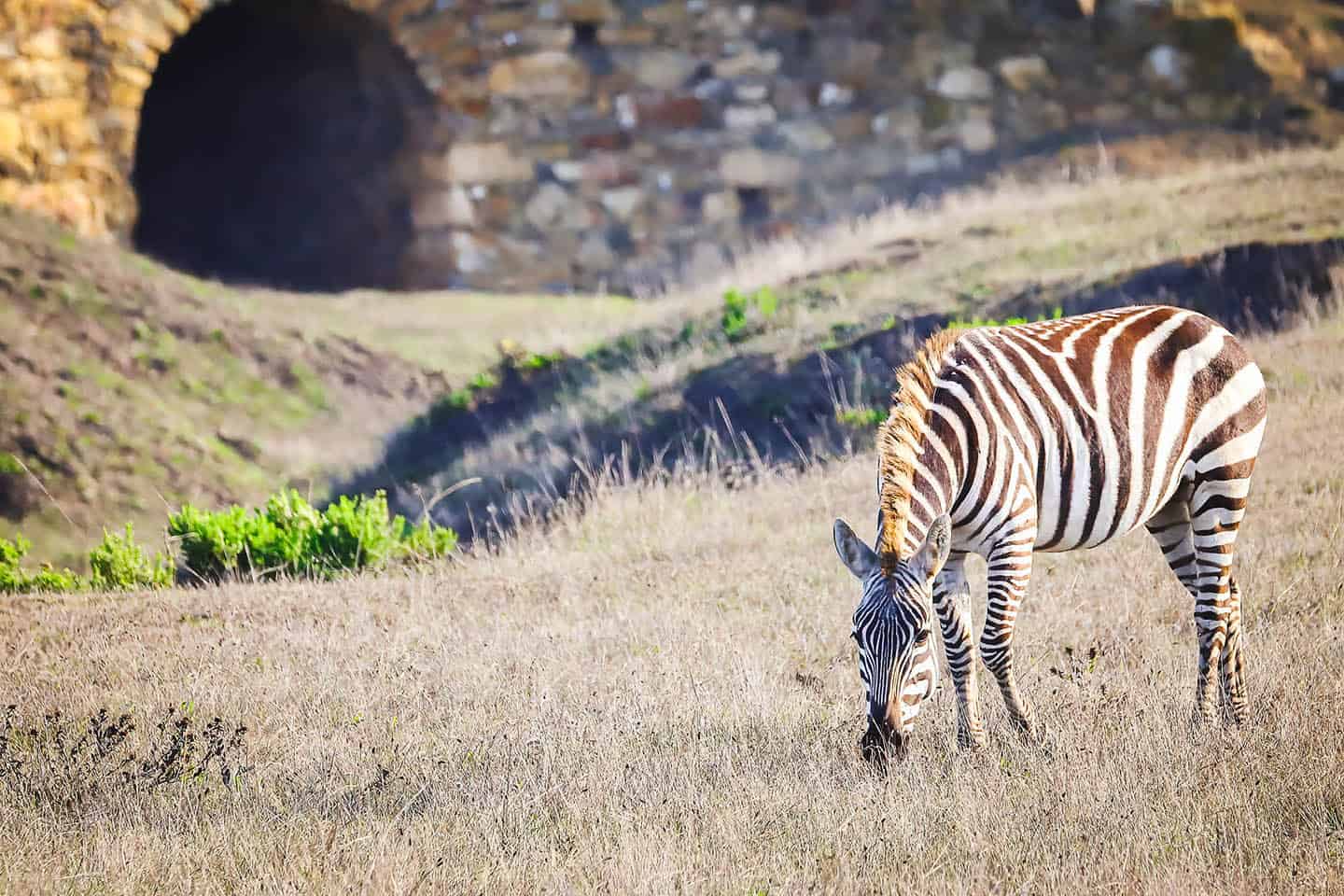
Lucky visitors can see descendants of William Randolph Hearst’s private zoo occasionally grazing in coastal pastures. Visible from Highway 1 in San Simeon, the combination of African zebras against a California coastal backdrop is a surreal sight. These unexpected encounters depend entirely on grazing patterns and seasonal grass availability rather than predictable schedules.
Combine zebra searching with other nearby wildlife stops rather than making it your primary destination, as sightings can’t be guaranteed on any particular day. When zebras do appear near the roadway, safe pullout areas allow photography and observation without approaching these still-wild animals.
Pro Tips:
- Use designated turnouts exclusively and never attempt to approach or feed any animals you encounter.
- A telephoto lens and/or binoculars provide better viewing than trying to get close to potentially unpredictable wildlife.
Active Wildlife Experiences
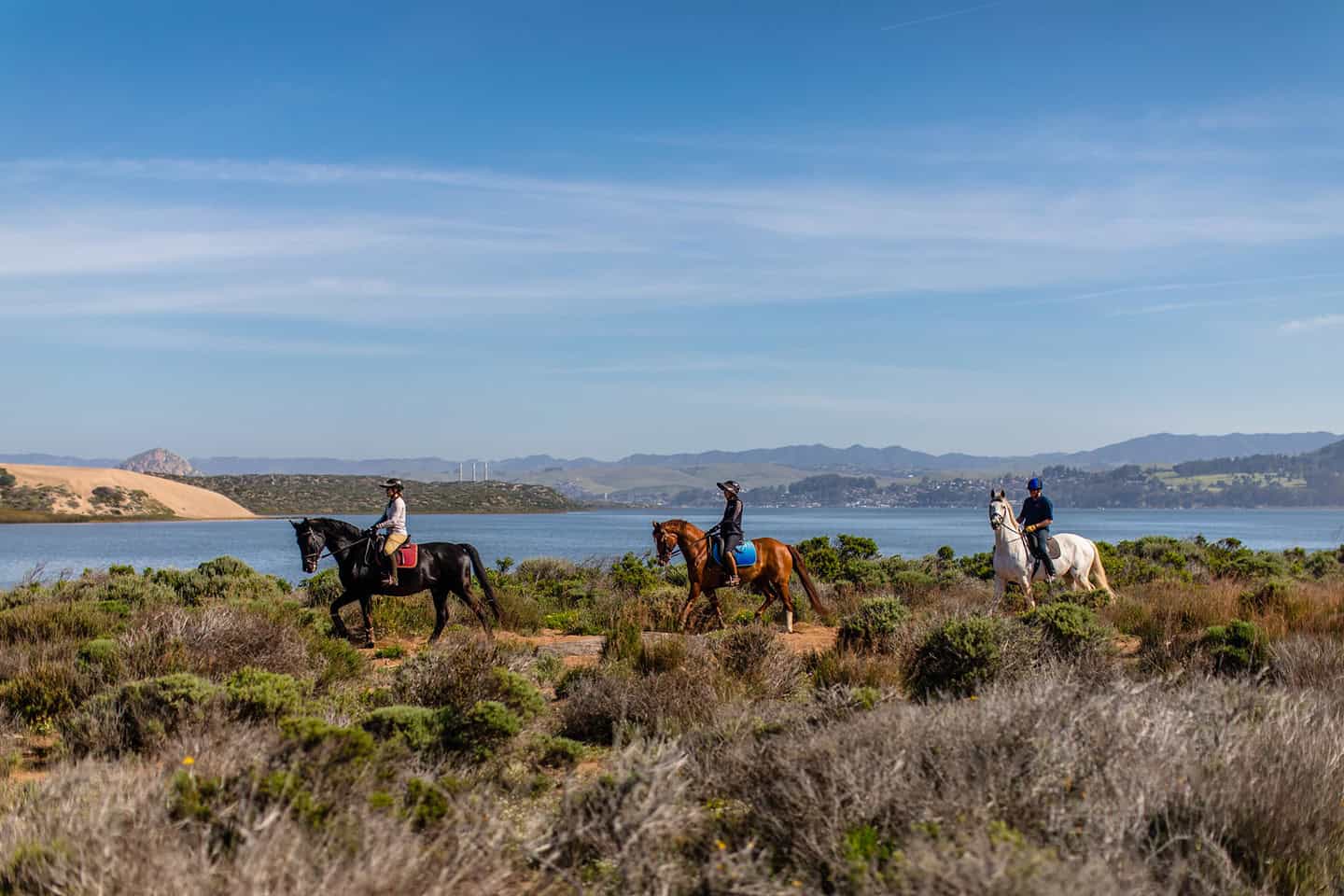
Want to experience wildlife in its habitat? Getting outside for light physical activity can increase your opportunities by accessing viewpoints unavailable to vehicle-bound visitors. Easy bluff trails, guided kayak tours in protected bays, and permitted horseback rides provide different perspectives on coastal ecosystems while adding gentle exercise to your day.
Water-based activities like kayaking bring you closer to sea otters, seals, and seabirds, while elevated trail systems offer strategic views for whale and dolphin spotting. Choose guided options for unfamiliar activities or challenging local conditions that require specialized knowledge.
Pro Tips:
- Always check current weather and ocean conditions before committing to water-based activities, and wear required personal flotation devices during any paddling adventures.
- Carry adequate water, sun protection, and temperature-appropriate layers for outdoor activities regardless of starting conditions.
Central Coast Aquarium
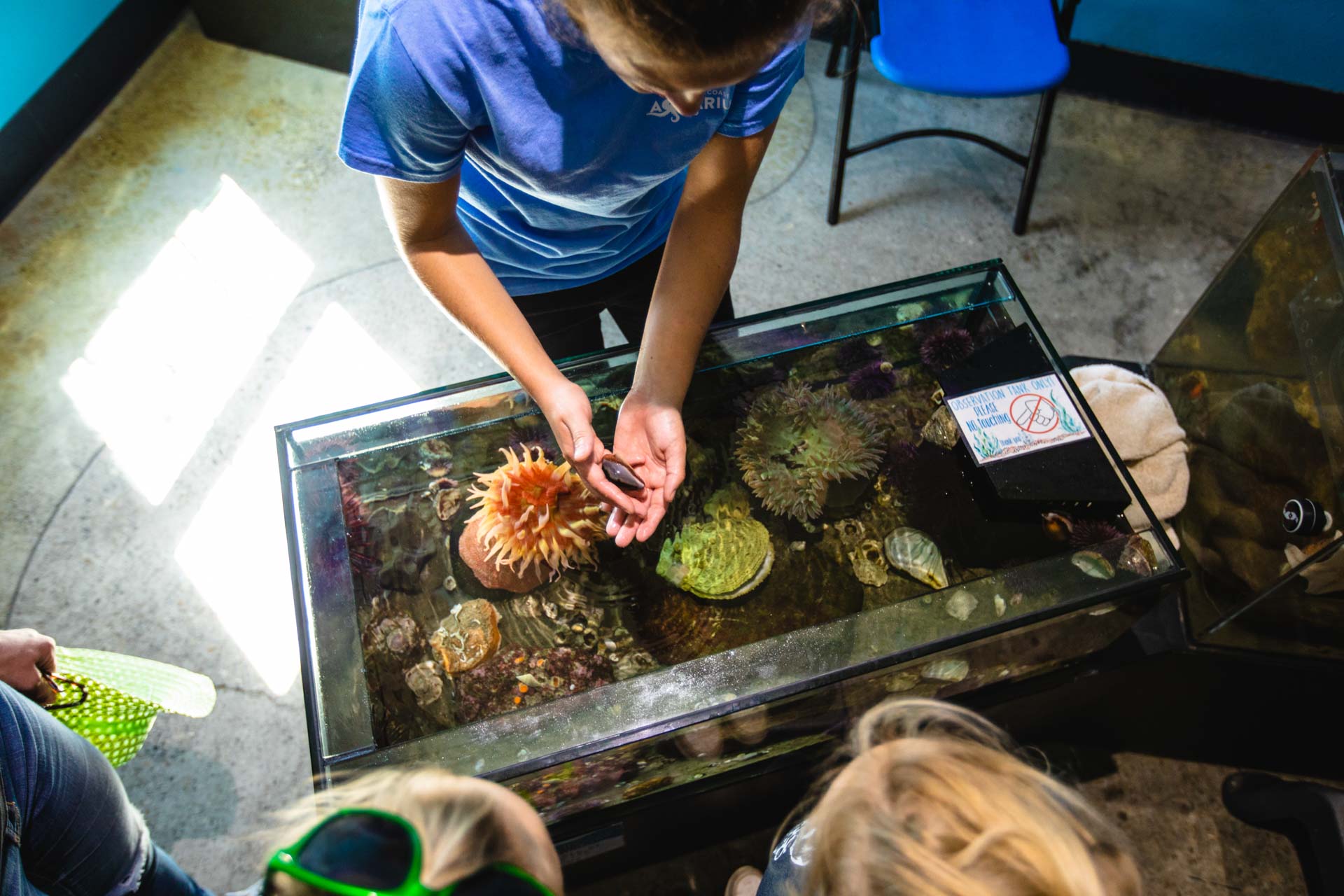
This boutique Avila Beach aquarium boasts indoor marine exhibits and hands-on educational experiences perfect for families and rainy days. Kid-friendly displays and interactive programs help visitors understand local marine ecosystems while connecting indoor learning with outdoor wildlife.
Plan an aquarium visit as a backup option to complement rather than replace outdoor wildlife viewing experiences. The aquarium’s focus on local species helps identify animals you might encounter during coastal exploration while providing deeper ecological context.
Pro Tips:
- Schedule shorter aquarium visits that leave time for outdoor activities, and always verify current hours and program availability before making specific plans.
- Combine indoor education with nearby pier walks and playground visits for a well-rounded family day in Avila Beach.
Resources and Preparation
Essential wildlife viewing gear includes layered clothing for changing coastal conditions, a brimmed hat for sun protection, and comfortable walking shoes with good traction. You’ll also want quality binoculars for distant observation, and adequate water and snacks for extended outings. Local weather patterns, tide cycles, and wind conditions significantly impact wildlife viewing success and personal comfort.
Current access information, seasonal closure notices, and restroom availability can change frequently, so verify conditions before departing for a specific destination. Flexible planning with backup location options helps ensure productive wildlife viewing regardless of unexpected circumstances.
Pro Tips:
- Morning and late afternoon hours typically offer calmer wind conditions and superior photography lighting compared to midday visits.
- Keep backup destination options readily available to adapt quickly when primary locations are unproductive or inaccessible.
Download your free Wildlife map from highway 1
Get Map
Stewardship Travel for Good
Honor the wild spaces that welcome us by traveling with reverence and care. By doing so, you become a guardian of these coastal treasures for generations who follow your footsteps. Keep respectful distances that allow wildlife to behave naturally, moving slowly and speaking softly so animals remain comfortable in your presence. Choose the trails that have been carved with intention, respecting the barriers that protect both fragile ecosystems and your own safety. Every piece of trash you carry out, every tour operator you support who values conservation over quick profits, every moment you pause to teach a child about respecting wild neighbors—these small acts weave together into something much larger than a single visit.
Pro Tips:
- Transform every outing into a gift for future wildlife watchers by leaving places better than you found them.
- Show children how to fall in love with wildlife through patient observation with their eyes first, then with binoculars.
FAQ
Where can I see elephant seals without a tour?
Visit the Piedras Blancas Elephant Seal Rookery boardwalk north of San Simeon for year-round viewing with free parking and knowledgeable volunteer docents.
When is the best time to see monarch butterflies?
Late fall through early spring offers peak viewing, with the largest butterfly clusters typically appearing during mid-winter months on clear mornings when they gather for warmth.
Do I need a boat to see whales?
No. Shore-based viewing from piers, headlands, and scenic overlooks provide excellent whale watching spots. Boat tours offer an additional close encounter when ocean conditions are safe.
Where can families see otters easily?
Sheltered bays with piers and elevated boardwalks in back-bay areas provide the most reliable and accessible sea otter viewing, especially in the morning
How do I tide pool safely with kids?
Visit during the day’s lowest tides, wear shoes with good grip, step only on bare rock surfaces, maintain supervision of children, and never turn your back on waves.
What should I bring for a wildlife day?
Pack layered clothing, sun protection, water, snacks, binoculars for distant viewing, and small trash bags to pack out all waste you generate during your visit.
Join The Adventure
Follow us for wildlife spotting tips, scenic highlights, and more. Help us showcase the incredible wildlife along Highway 1. Share your best shots through our photo collector—you could be featured in our reels or gallery.